
Notes on 2008’s Drifting And Tilting, The Songs of Scott Walker
Dot Allison performing in Drifting and Tilting, The Songs of Scott Walker © Photo by Sam Collins
The Barbican // 13–15 November 2008
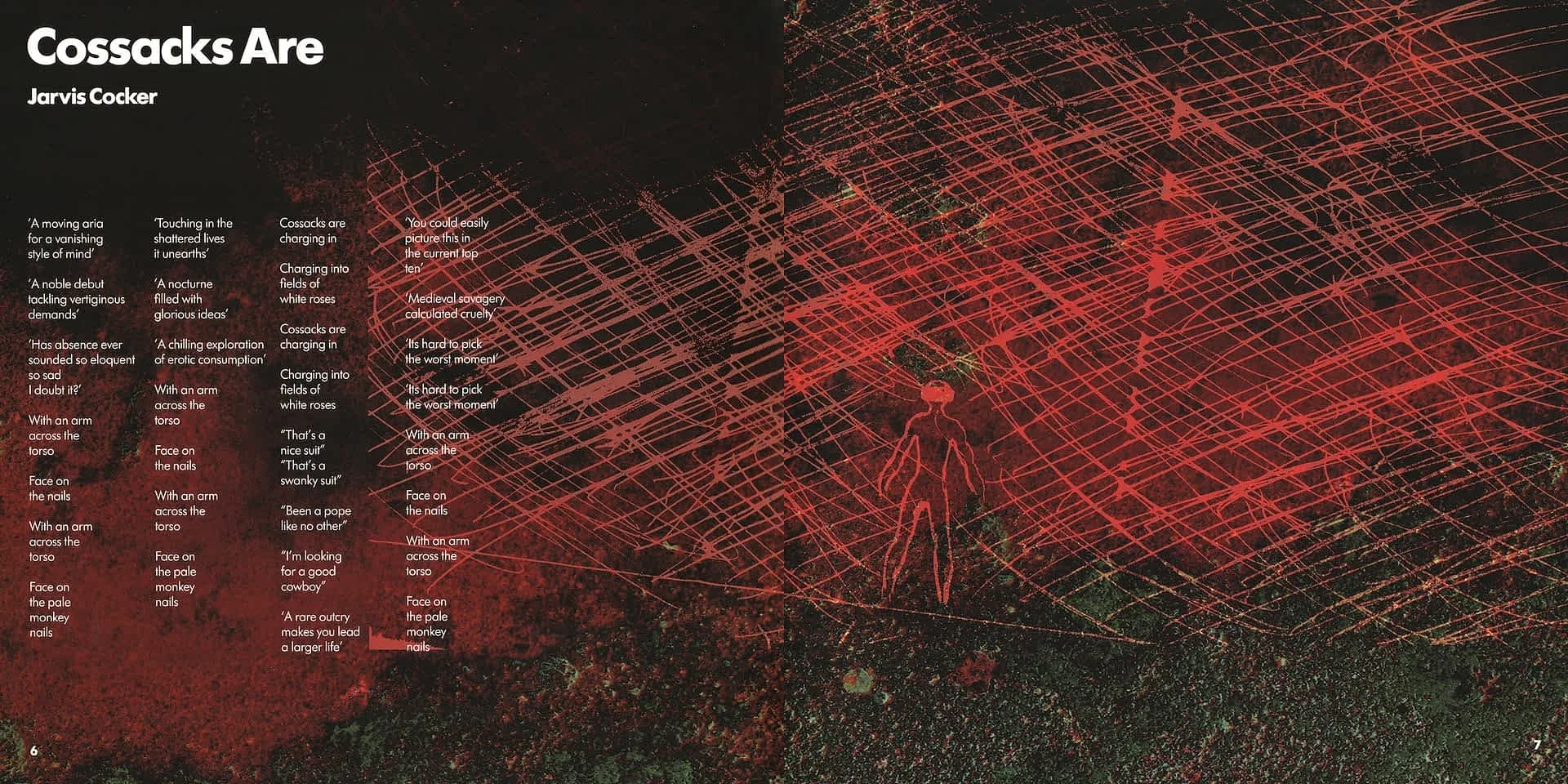
Cossacks Are
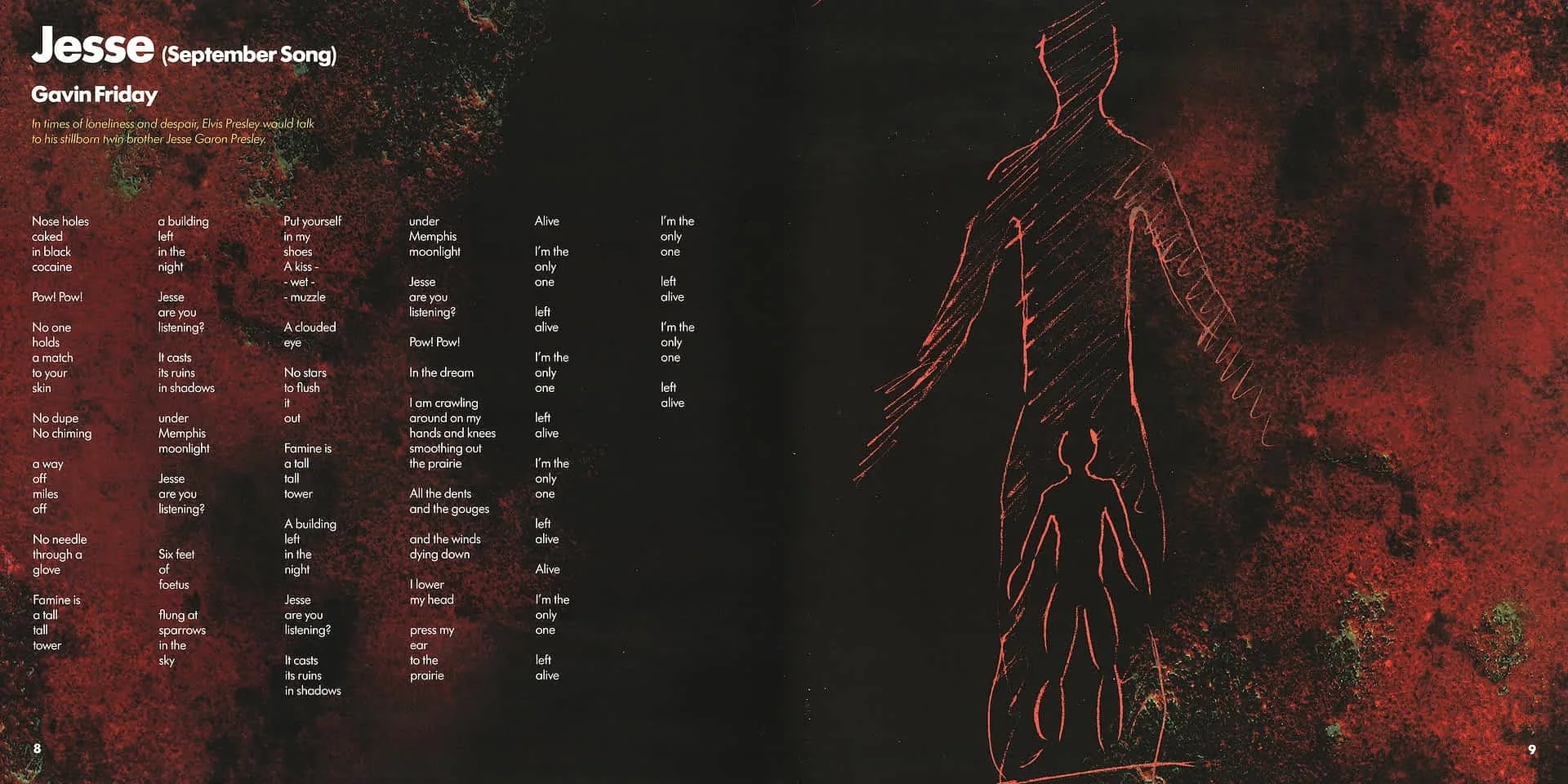
Jesse (September Song)
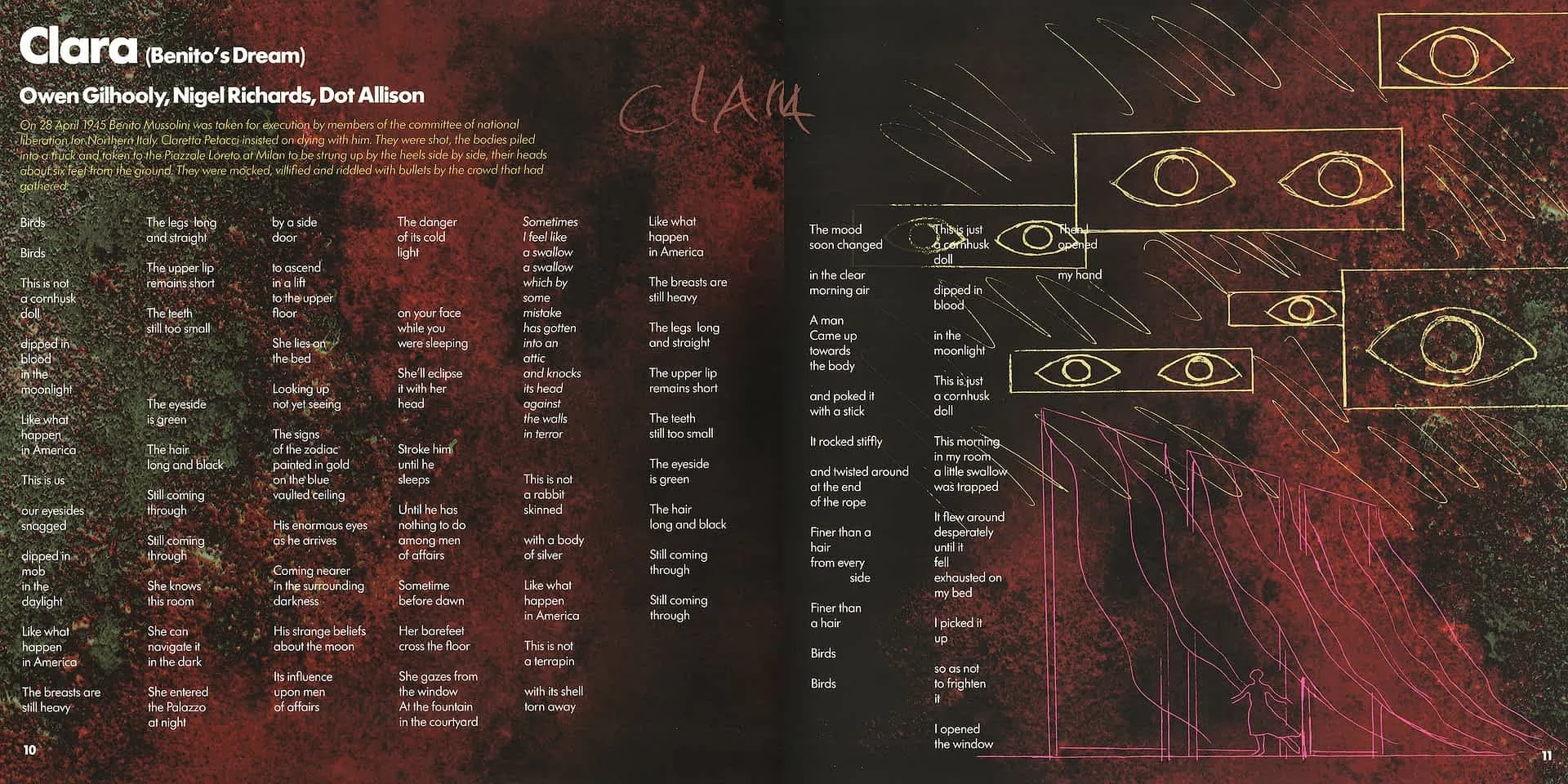
Clara (Benitos Dream)
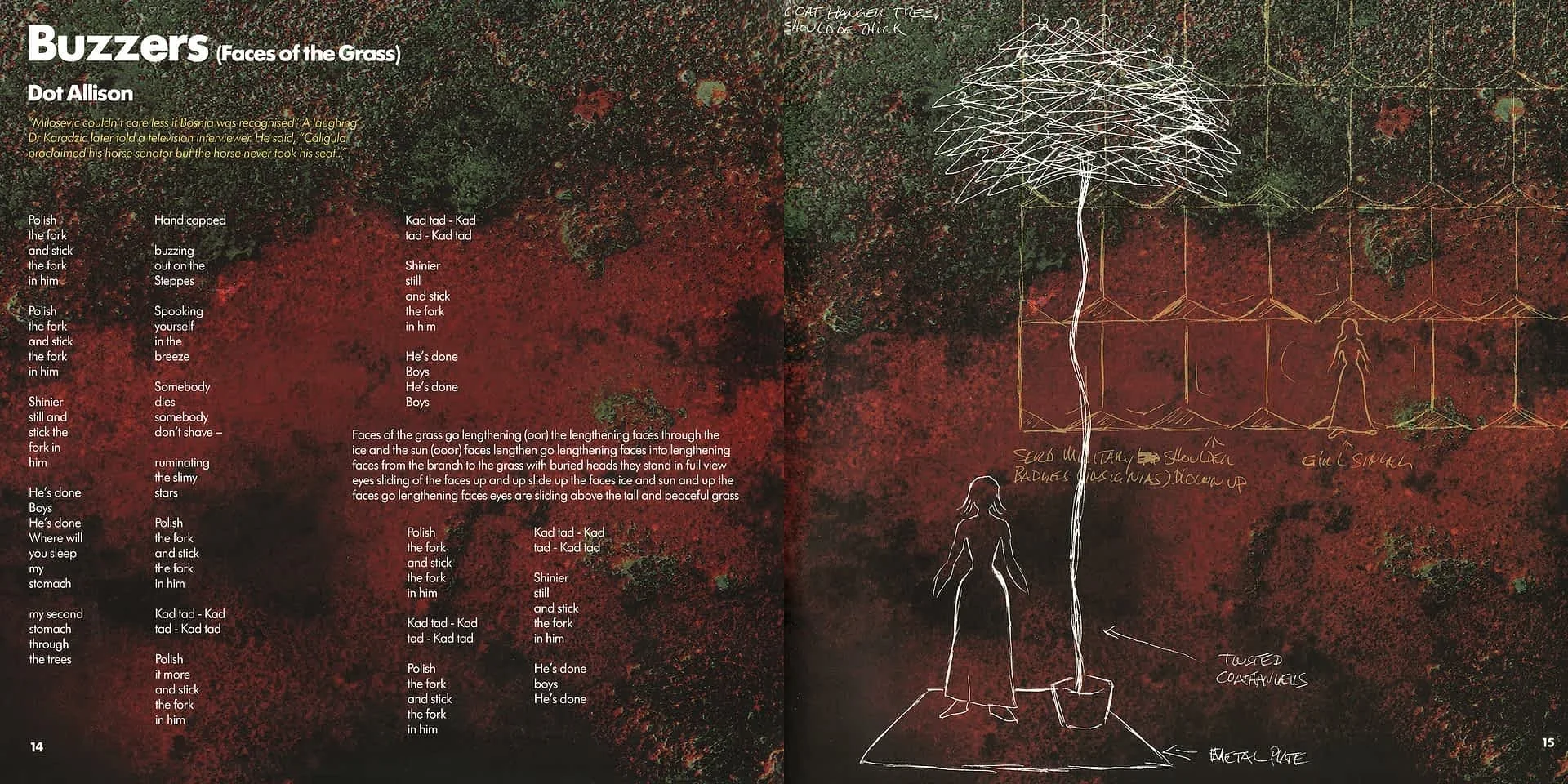
Buzzers (Faces of the Grass)
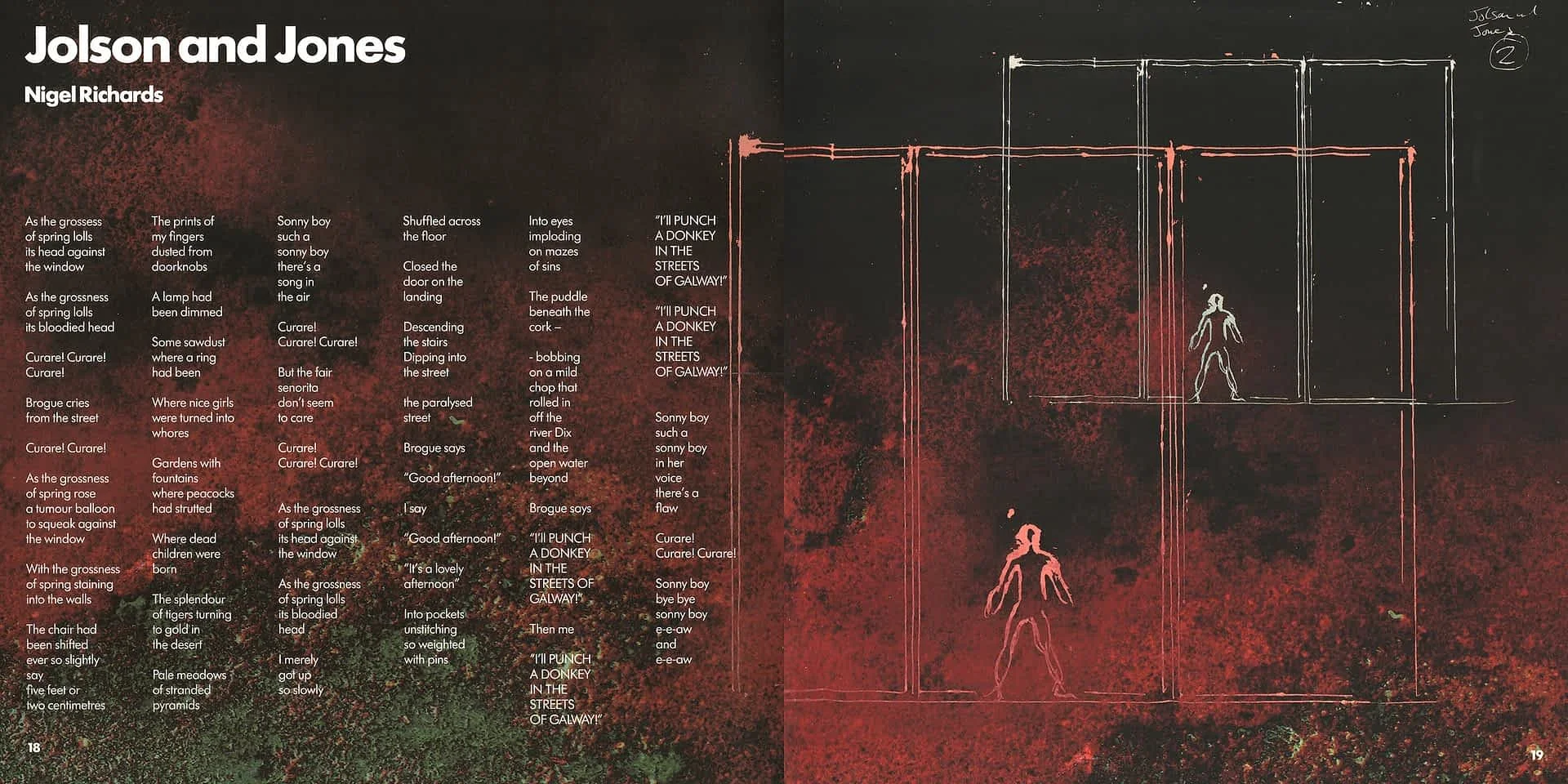
Jolson and Jones
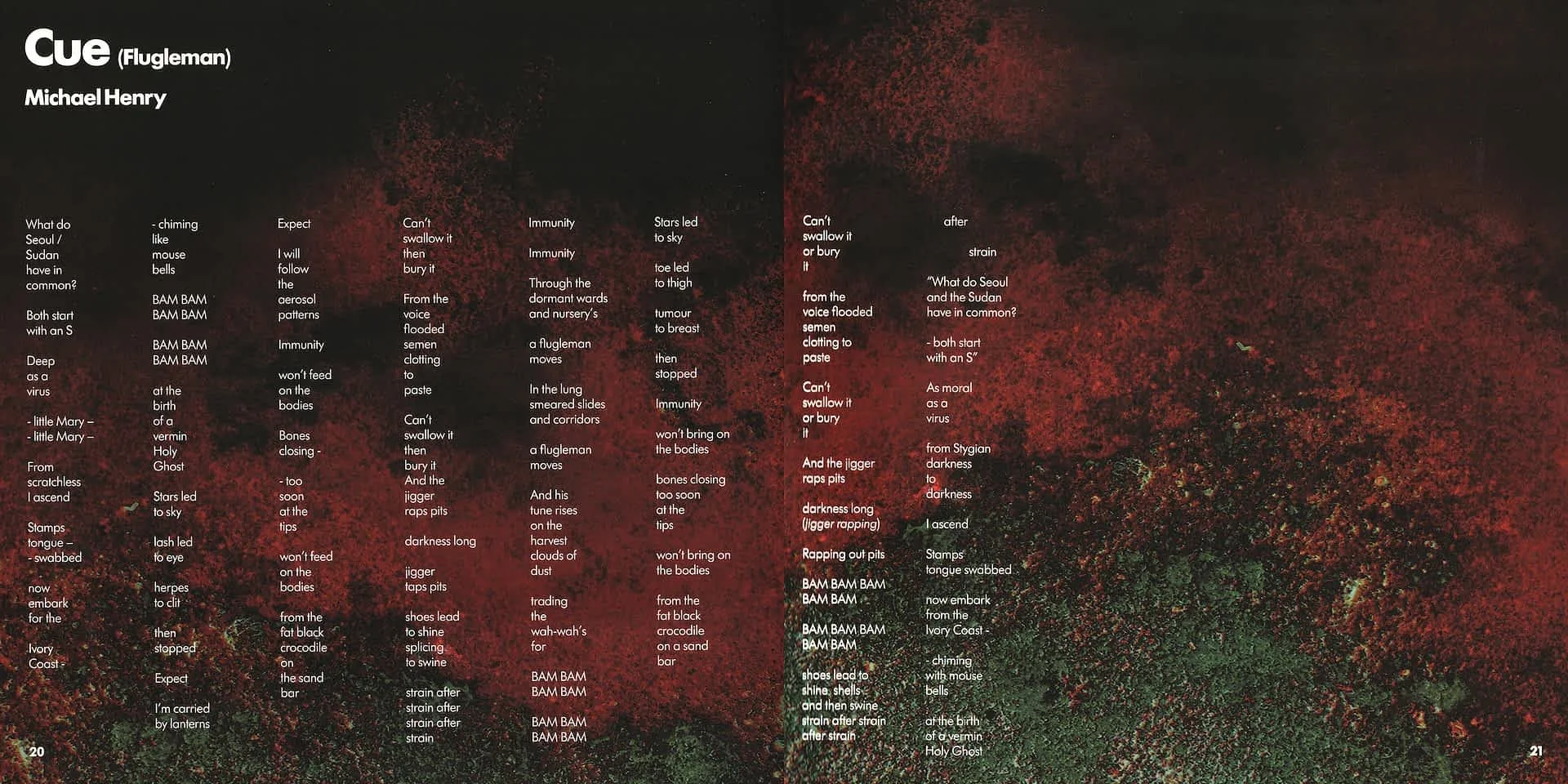
Cue (Flugleman)
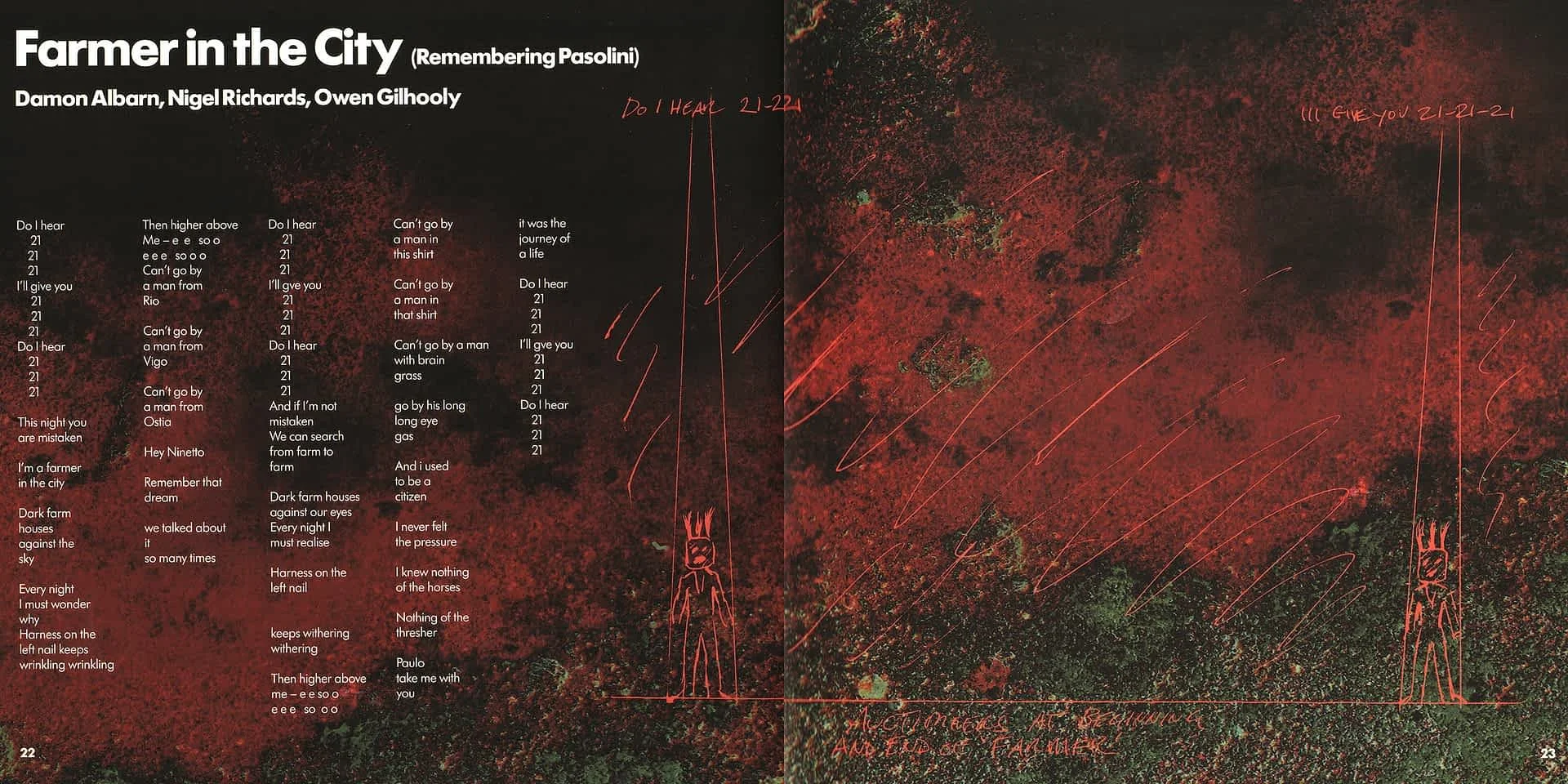
Farmer in the City (Remembering Pasolini)
All songs conceived, composed and arranged by Scott Walker
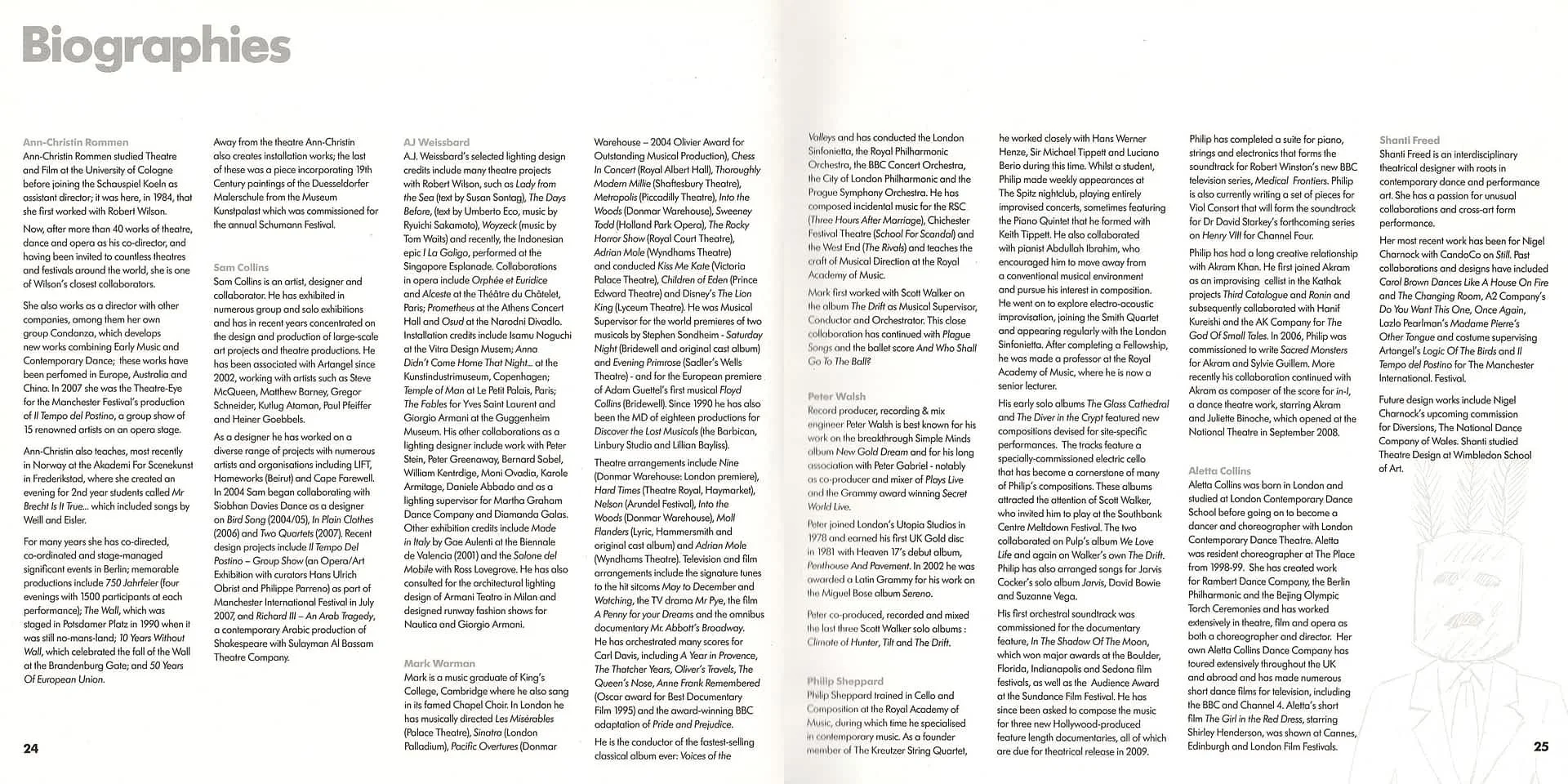
Director Ann-Christin Rommen
Set Design Sam Collins
Lighting Design A J Weissbard
Musical Director and Orchestrator Mark Warman
Sound Production Peter Walsh and Scott Walker
String Orchestra Conductor Philip Sheppard
Choreography Aletta Collins
Costume Design Shanti Freed
Executive Producer Michael Morris
Singers
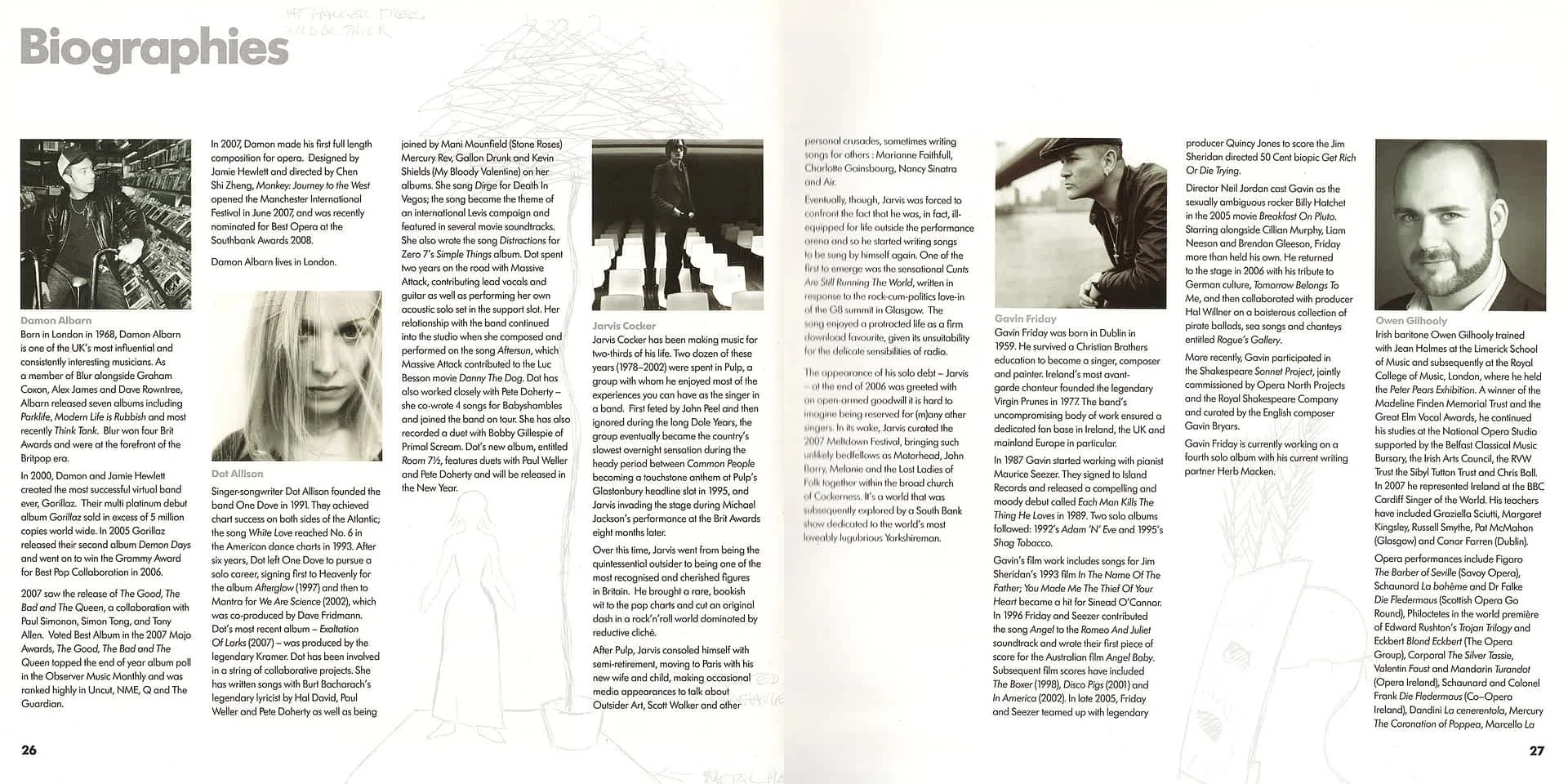
Damon Albarn
Dot Allison
Jarvis Cocker
Gavin Friday
Owen Gilhooly
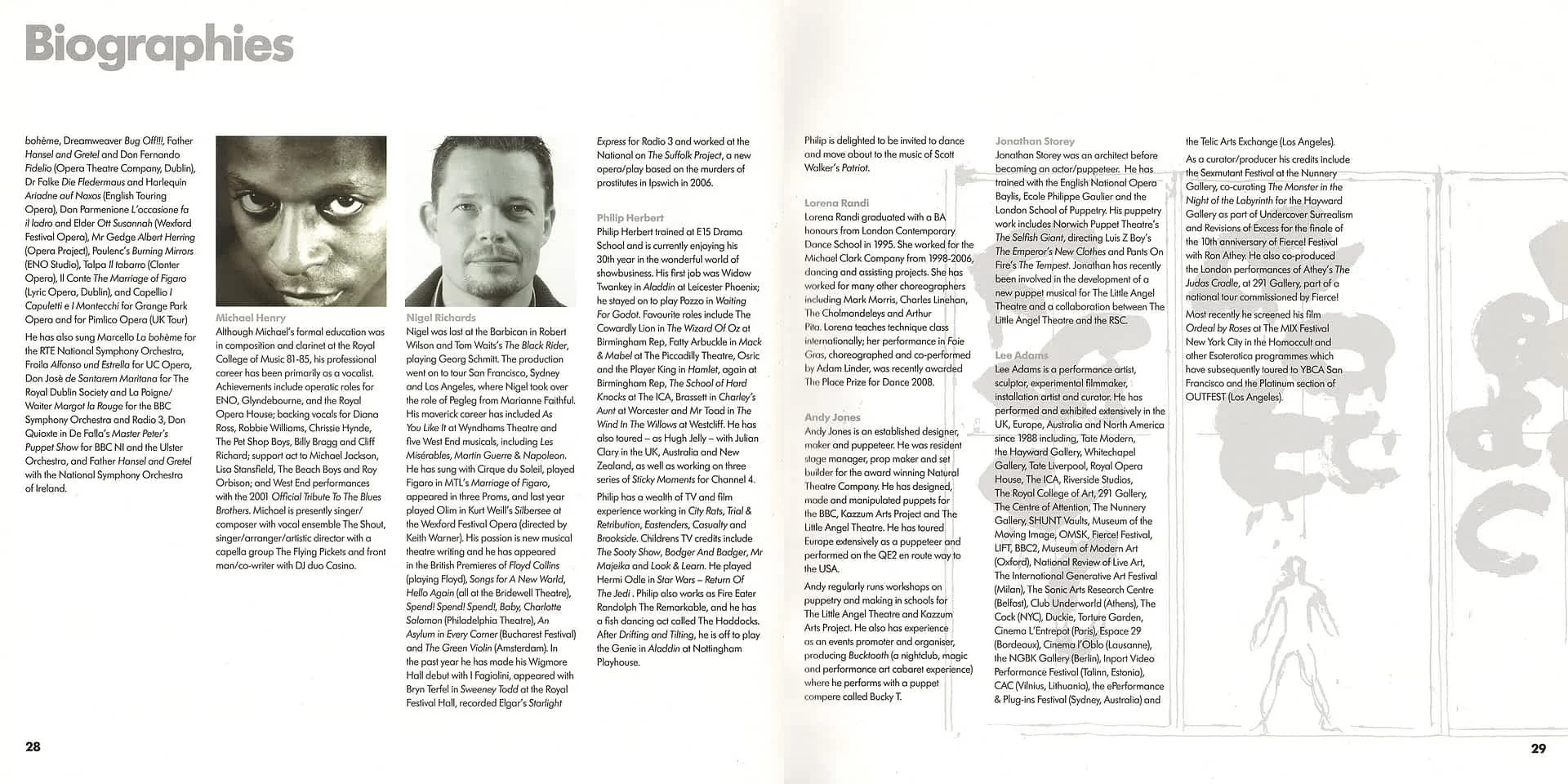
Michael Henry
Nigel Richards
Dancers Philip Herbert and Lorena Randi
Puppeleers Andy Jones and Jonathan Storey
Performer in Clara Lee Adams
Voiceover in Clara Richard Strange
Newsreader in Buzzers Beverly Foster
The Band
Drums lan Thomas
Bass Stephen Pearce
Guitar Hugh Burns
Guilar Steve Donnelly
Percussion Alasdair Malloy
Percussion Stephen Whibley
Keyboards Mark Warman
The Orchestra
1st Violin Paul Willey (Leader), Amanda Smith, Matthew Elston, Celia Sheen Laura Melhuish, Oliver Lewis Elizabeth Wexler, Tim Warburton, Nina Foster and Emily Chapman
2nd Violin Simon Smith (Principal), Clive Dobbins, Steven Bentley-Klein, Jonathan Howells, Charlie Brown, Louisa Aldridge, Sarah Crisp, Paula Martinez, Liz Melville and Fiona Fang
Viola Phil D'arcy (Principal), Katherine Shave, Lucy Theo, Rebecca Carrington,Estefania Manzo and Suzanne Evans
Cello Frank Schaefer (Principal), Phil Taylor, Lucy Railton, Kwesi Edman, Jacky Phillips, Vicky Matthews, Natalie Rozario, Vicky Walker, Sarah Westley and Katy Wright
Double Bass David Fletcher (Principal), Simon Benson, Jonny Gee, Alice Kent, Michael Mansbridge and Alan Taylor
Orchestral Management Andy Barnwell & Pete Harrison for Musical Co-ordination Services Ltd
Original Orchestrations
Farmer in the City and Patriot Brian Gascoigne
Clara and Cue Philip Sheppard
Clara, Buzzers, Jesse and Jolson and Jones Mark Warman
Programme photography Marc Atkins and Grant Gee
Production photography Georgia Oetker
Michael Morris on Drifting and Tilting
During the development of Scott Walker's evocation of the Plague of Darkness for Artangel in 2006, we began to talk about how certain of his existing songs might one day be given life on stage.
In the most recent recordings, Tilt and The Drift, the ways in which music and language combine suggest a kind of opera that accordingly invites visual expression. The hermetic and distinctive landscapes that Walker creates trigger moving images in the mind of the listener that play out as internal dramas, each with its own tragic - or tragicomic - subject and object.
Tonight, during a cycle of eight exceptional songs, Scott Walker completes these distinctive sound worlds with a sequence of unfolding tableaux featuring a range of leading vocalists from strikingly different backgrounds.
The look and feel of the evening began as several kilometres of fax paper transmilted between London and Cologne as director Ann-Christin Rommen and designer Sam Collins honed a mise-en-scène from Scott Walker's own playful storyboards, with AJ Weissbard's compelling use of light as counterpoint to the sounds generated by both orchesira and band.
The Barbican team, notably Bryn Ormrod Chris Sharp and Alison Cooper, have unflinchingly supported Walker's developing vision throughout, as it has tilted and drifted away from the concert hall into the hybrid new form we very much hope you enjoy this evening.
Scott’s Drawings for Drifting and Tilting
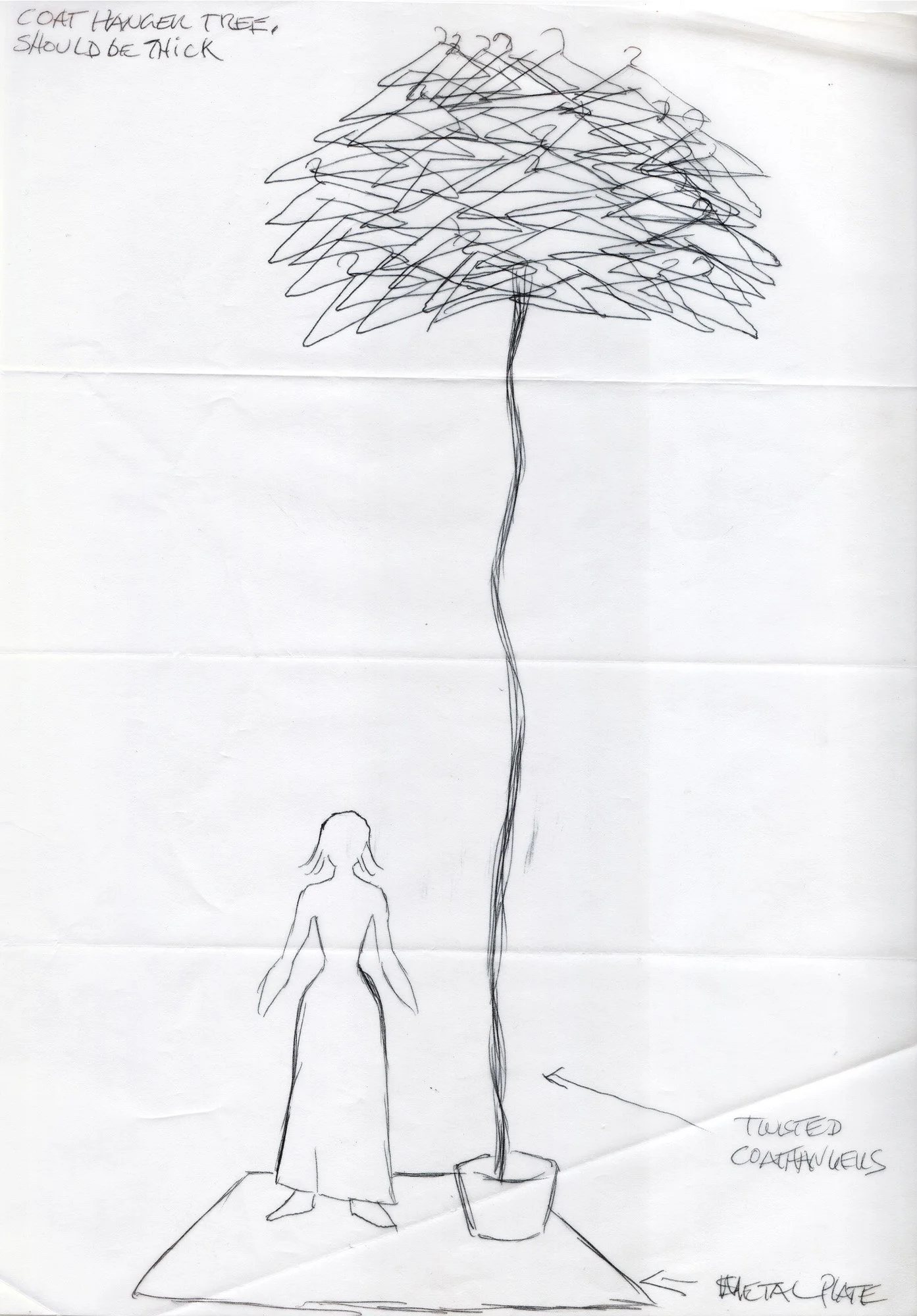
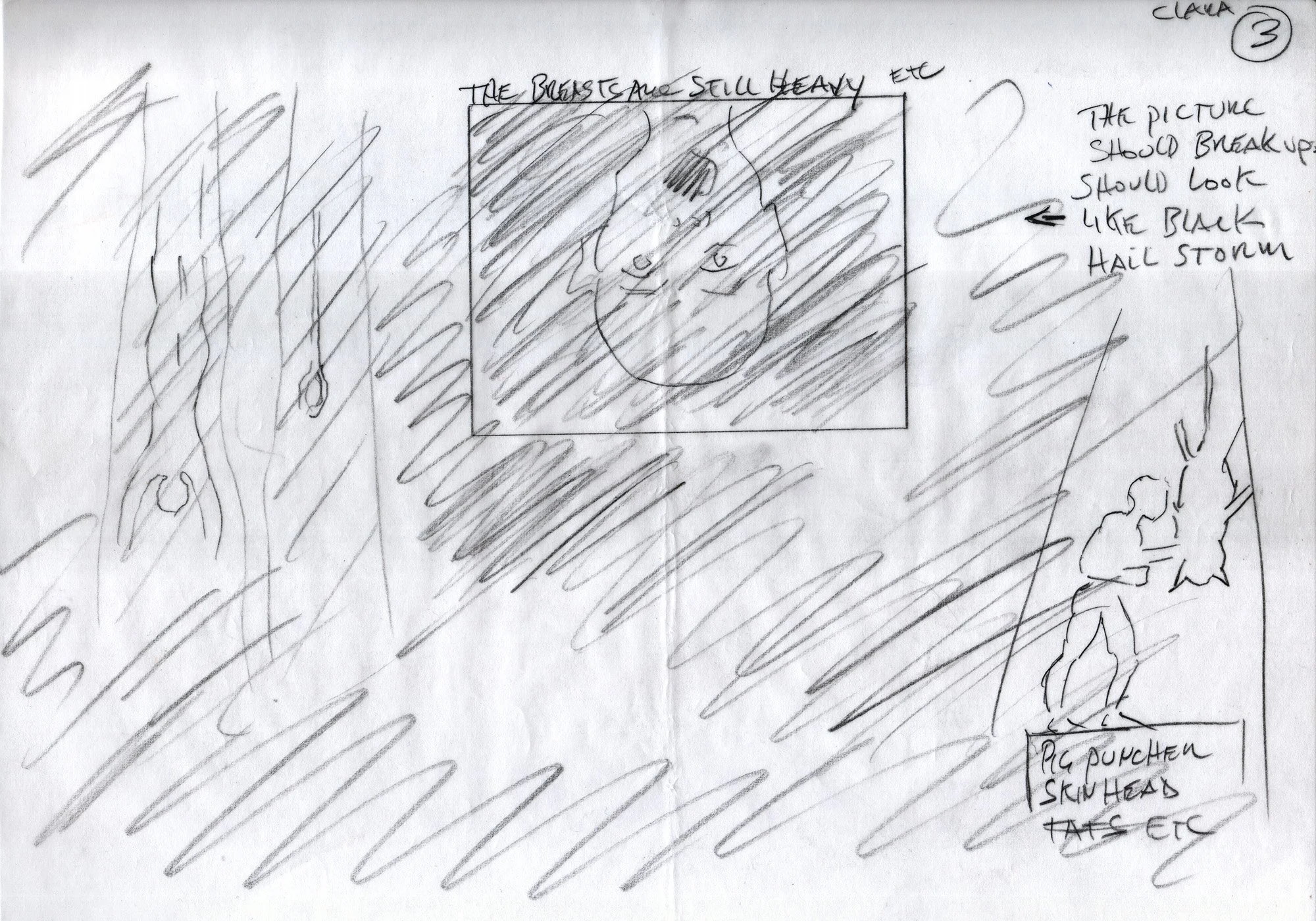
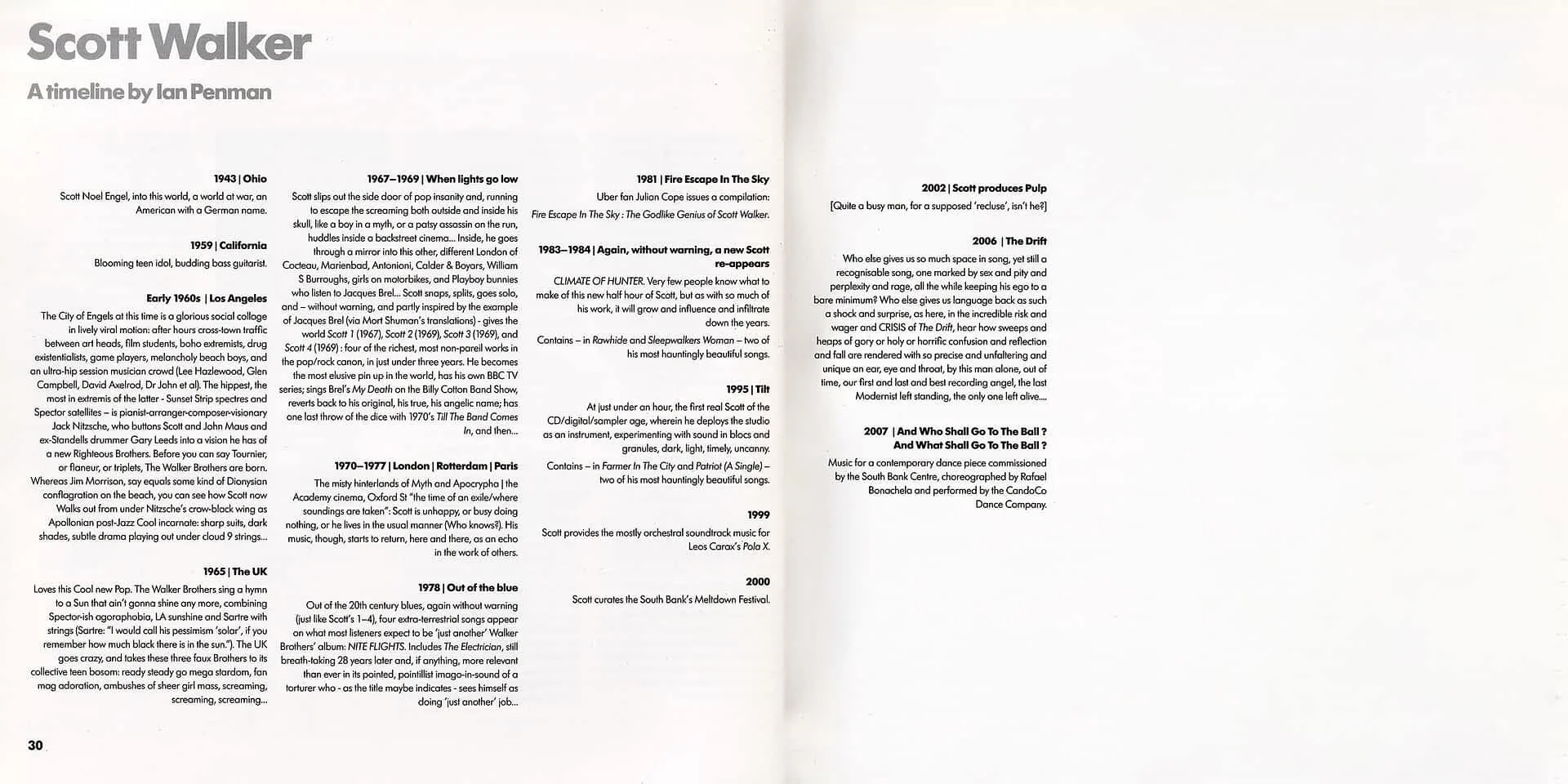
A selection of hand drawn and annotated drawings produced by Scott Walker in preparation for the Barbican production of Drifting and Tilting the Songs of Scott Walker in November 2008. The drawings detail a visual conversation between Scott and director Ann-Christin Rommen and show Scotts visual interpritations of a selection of songs from The Drift and Tilt albums.
Interview - Ann-Christin Rommen (Director)
I have worked for now 40 years with the American director Robert Wilson. Through the work with him I met Michael (Morris), who somehow thought, if I can manage Bob, I can get along with anyone. So he put me in charge of working in Manchester with 12 visual artists (all very well known from Matthew Barney to Olafur Eliasson). This fixed my reputation: “good with difficult people”
So I was introduced to Scott Walker
I admit that I had only known of the early Scott, but when Michael told me the story of escaping the fan mob into a record store and becoming friends with the owner- about his musical world opening up and then I heard Drift and Tilt for the first time. That deeply touched and impressed me.
The day of our first meeting came, I was told, he would be quite shy with a stranger… I didn’t think it would be that shy, he wore a cap and he never lifted his head- in this first meeting, I never saw his eyes.
Our connection was through faxes. He had very strong visual ideas and I had a great team to translate them to a possible stage image we really enjoyed our ‘ping pong’ of possibilities, materials and we had a great set designer, Sam Collins, Shanty Freed for costumes and AJ Weissbard for lights. In connection with the technical team of the Barbican center, that I knew well from earlier works with Robert Wilson, we had a chance of doing something great in a very, well, too short time.
The second time we met in person, we knew each other already much better from our writing and drawing. I could see him in the eye.
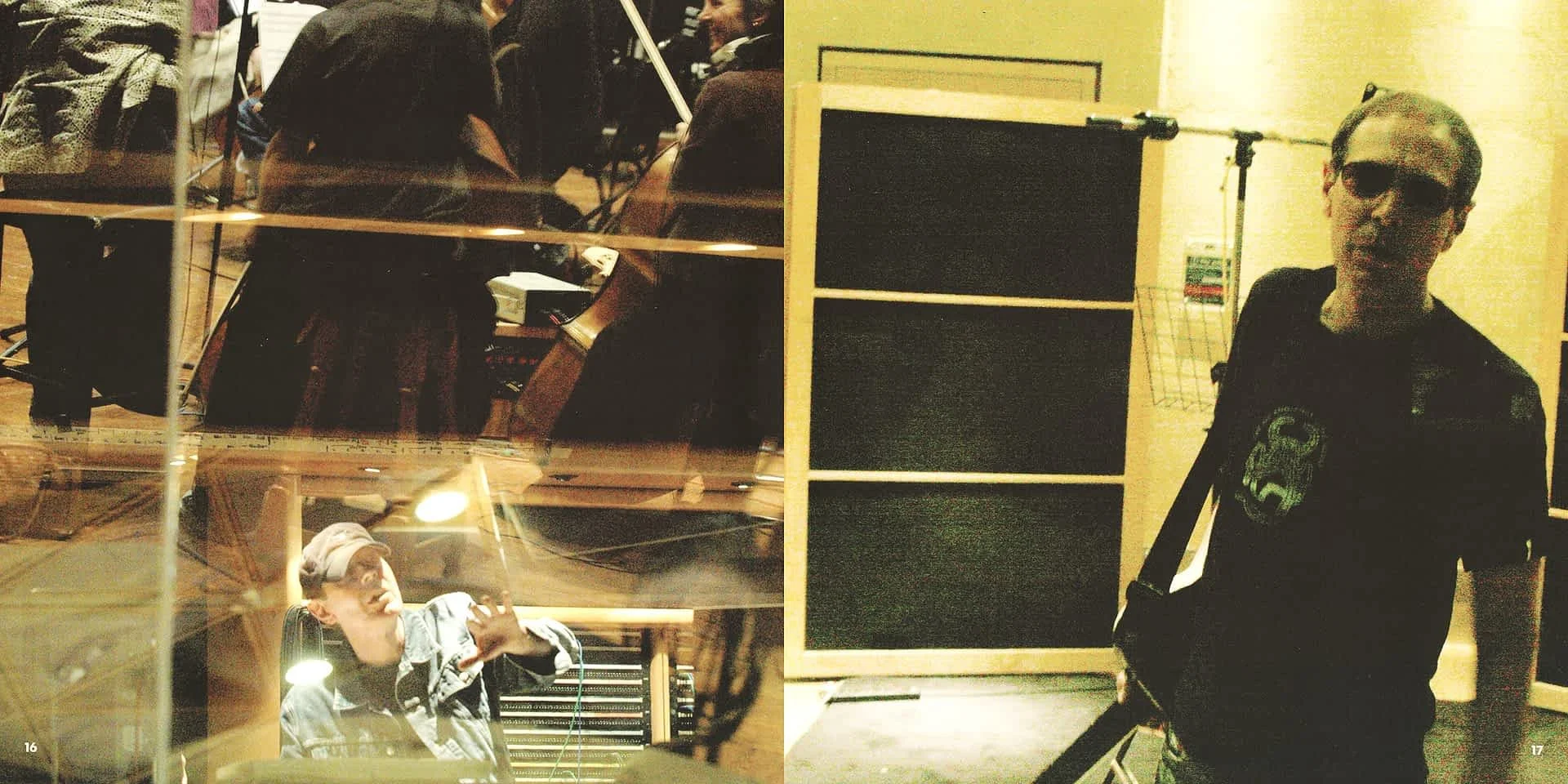
Scott was a great team player.. He frequently wanted something impossible and was incredibly grateful, when we could give it to him. He sat in the last row of the theatre with his sound engineer who had been working with him on many of his albums.
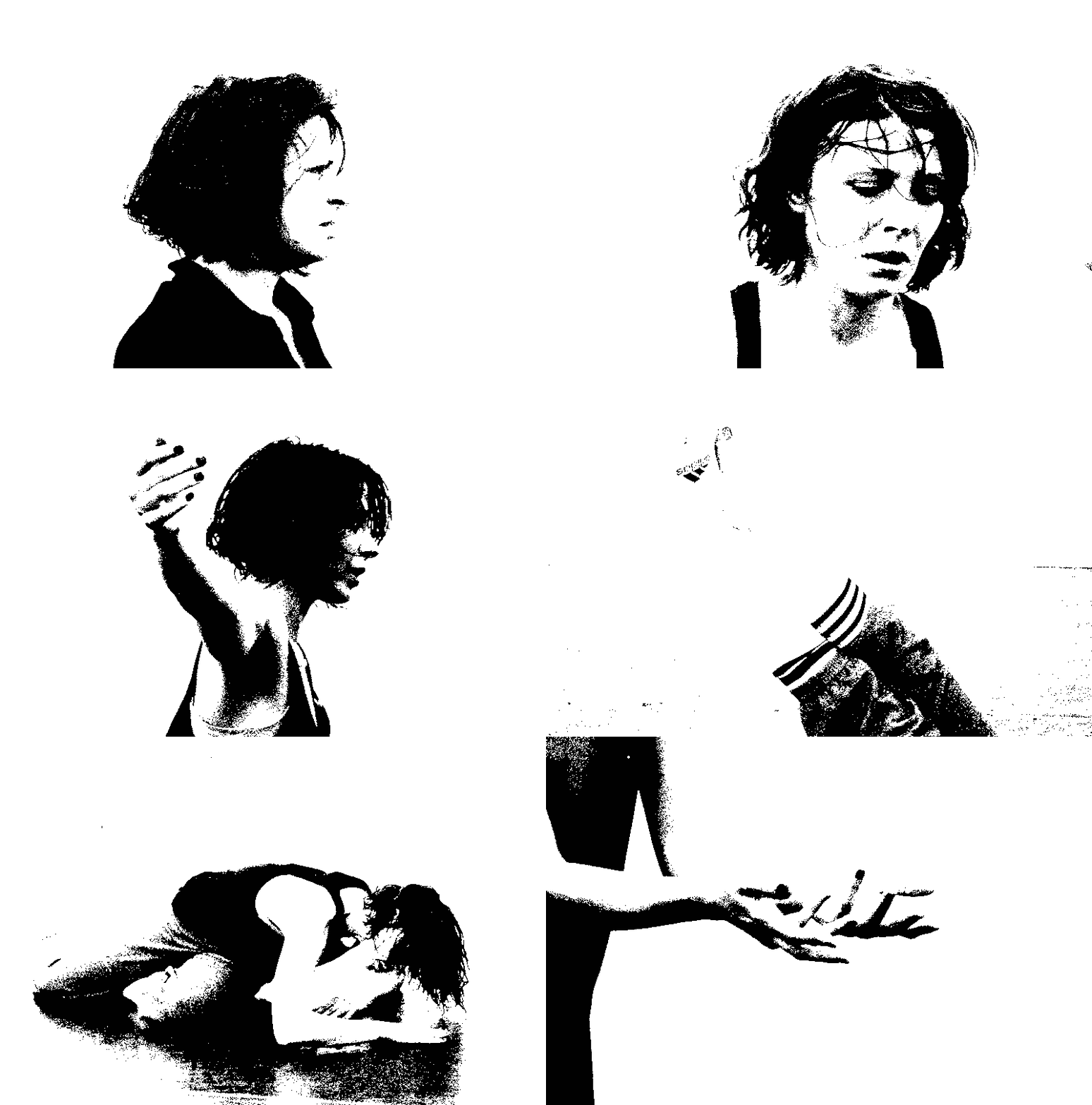
Drifting and Tilting dance Rehearsal
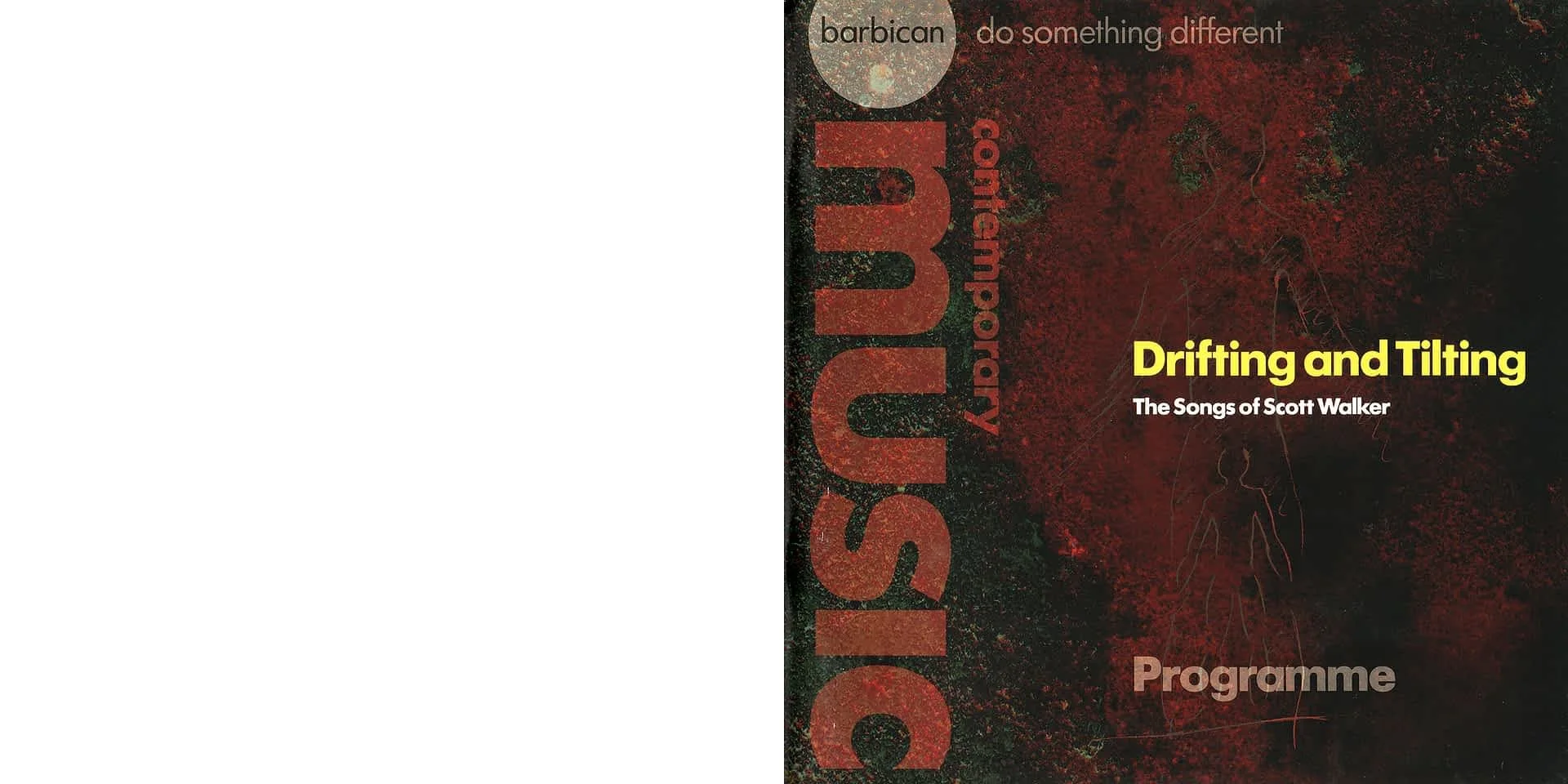
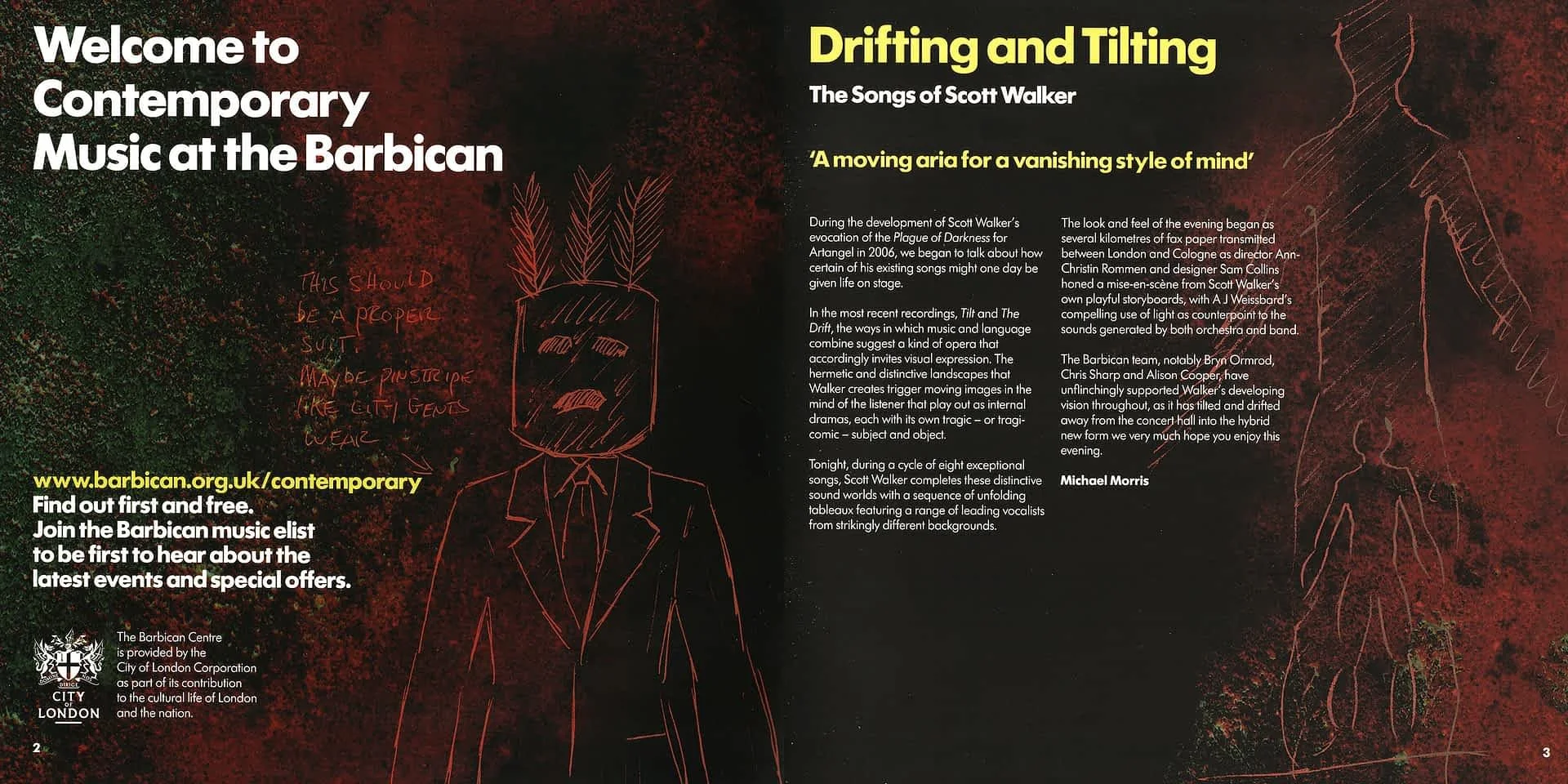
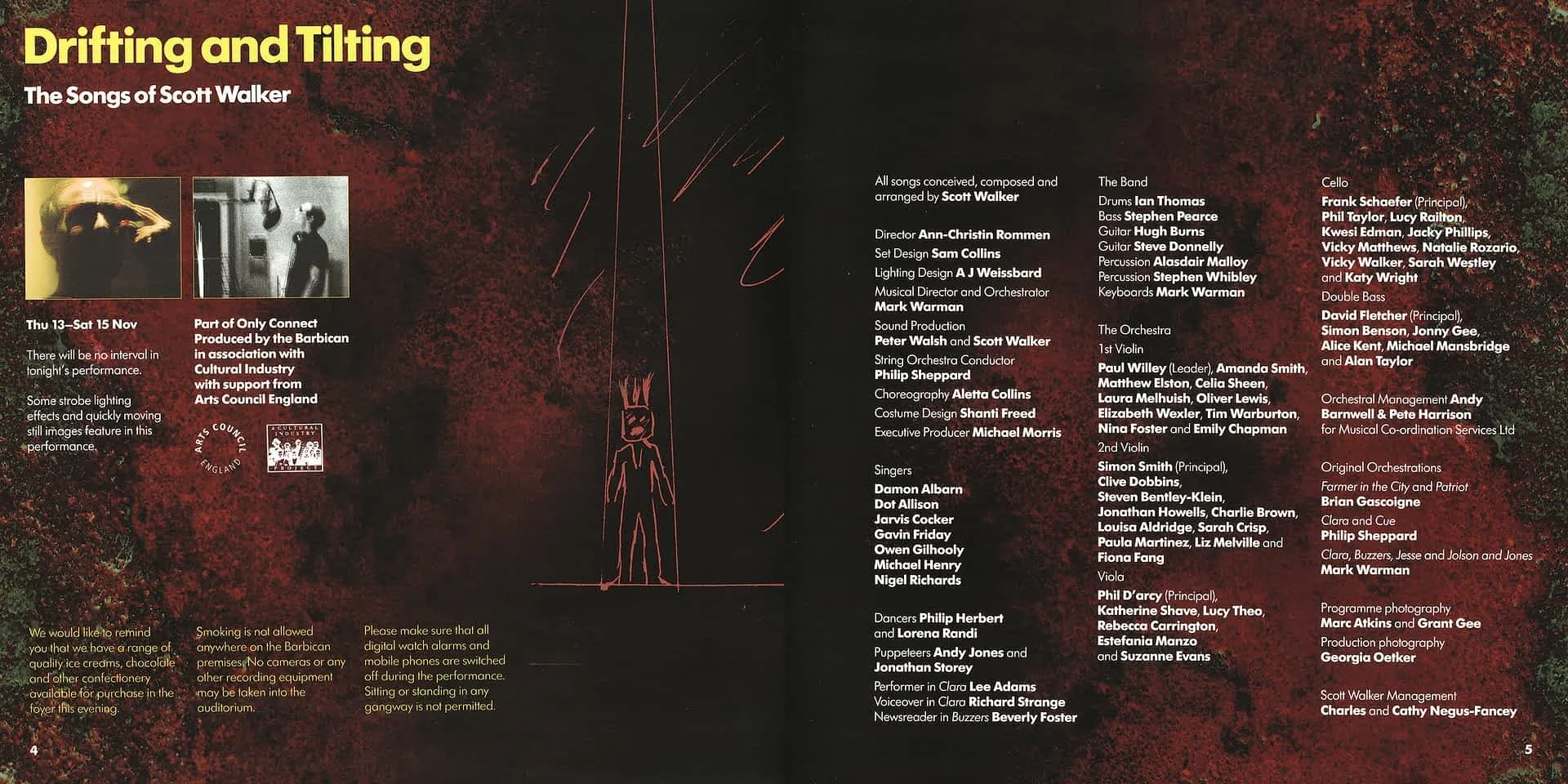
Drifting & Tilting Programme
Interview - Scott Walker
The Guardian 9 November 2008 By Sean O'Hagan
Scott Walker was an only child and a nomadic one. His father, a geologist, travelled throughout America and the young Noel Scott Engel never had time to settle for long in one place. Born in Ohio in 1943, he lived in Texas for a time and then in California. ‘I never made friends that easily,’ he says, sounding not at all regretful. ‘I don’t mind being on my own because when you’re on your own a lot as a child, your imagination grows. That is still the case with me.’
Wrapped up in his solitude, Walker can work on the lyrics of a single song for several years. On his last album, The Drift, a track called ‘Cue’ took six years to complete. ‘It was the toughest song to write, but my most successful song lyrically,’ he says, his mid-Atlantic tones soft but clear, his eyes half hidden beneath the peak of his ever-present baseball cap. ‘It’s sharp, it’s angular, it all just chimes right. In that song, everything is exactly as I want it.’
‘Cue’, though, even by Scott Walker’s recent standards, is a difficult song. The lyrics are dense and elliptical, the pace funereal and the atmosphere one of creeping anxiety. He delivers it in that doomy, semi-operatic tone that has long replaced the melodramatic flourish of his early solo albums. Featuring a chorus of wailing voices straight out of Dante’s Inferno, it is not a song you would turn to for solace or uplift. It is, in fact, another of Scott Walker’s musical excursions to hell. Can he appreciate why some of us find his later work wilfully impenetrable, too far out, in fact, to take in.
‘Well, I never think that way,’ he says, sighing. ‘I think it sounds pretty normal so I’m kind of shocked when people say it’s too much. For me,’ he says, laughing, ‘it’s never far out enough.’
We are sitting in the bright, airy living room of his manager’s spacious house in London’s leafy Holland Park, the place where Scott Walker chooses to suffer through the few interviews he grants these days. While no longer as reclusive as he once was - Mojo magazine once called him ‘pop’s own Salinger’ - he remains one of music’s most famous loners. ‘I’m not a recluse,’ he says at one point when I ask him what he does when he is not making music. ‘I’m definitely not that. I have friends and I go to dinner. I like people, but sometimes I can’t wait to get away and be on my own again. I am solitary, though. I need to be for my work. That’s the deal.’
Next week, he will break cover when the Barbican theatre hosts an ambitious series of concerts called Drifting and Tilting: the Songs of Scott Walker. The 70-minute programme will comprise eight songs taken from The Drift and 1995’s equally challenging Tilt. Scott will be there each night, but not on stage, not singing. ‘I’ll help mix the live sound,’ he says. ‘I got spooked years ago about performing and never repaired the damage.’
In his place will be a succession of guest vocalists including Jarvis Cocker, Damon Albarn, Dot Allison, Gavin Friday and classical baritone Grant Doyle. A 40-piece orchestra will also be in attendance alongside Walker’s studio group and a contemporary dance troupe. ‘It will be a tightrope walk,’ he says. ‘There is never enough time to prepare these things, but if it’s going to be a train wreck, it will certainly be an interesting one. There will be one or two surprises, too.’
Those surprises will not, alas, include performances of any of his older songs. There will be no ‘Big Louise’, in all its swooning sadness, no ‘We Came Through’ in all its galloping cavalry clatter, no ‘Rosemary’ or ‘Jackie’ in all their lovelorn glory. No Jacques Brel covers either, nor Walker Brothers hits.
‘When we began discussing the event, it was taken as a given that Scott would not be singing and that none of his older work would feature,’ says his friend and collaborator Michael Morris, co-director of Artangel, the arts company which specialises in ambitious, site-specific events. ‘The performances will be dictated by the songs which are semi-operatic. The show will take the form of a semi-staged song cycle, almost like a lieder recital but a bit more dramatic. We’re hoping,’ adds Morris, ‘that the audience doesn’t clap between songs.’
In person, Scott Walker does not look like a living legend. His clothes are casual - faded jeans, denim jacket, trainers - and his manner diffident but charming. Throughout the interview, he sits perched, thin and bird-like, on the edge of a huge, floral-patterned sofa as if, at any moment, he might take flight. He looks much younger than his 65 years but his eyes, when I catch a glimpse of them beneath that pulled-down baseball cap, have a flickering intensity that speaks of deep unease. It is hard to imagine that he was ever a heart-throb who induced mass hysteria. For a moment, though, back in the mid-Sixties, the Walker Brothers, who weren’t brothers at all, were known as ‘America’s Beatles’.
‘Oh, it was amazing at first,’ he says, smiling, ‘but a little goes a long way. I was not cut out for that world. I love pop music, but I didn’t have the temperament for fame.’
On their most famous song, and second No 1, 1966’s ‘The Sun Ain’t Gonna Shine Anymore’, he sang the prophetic lines: ‘Loneliness is a cloak you wear, a deep shade of blue is always there’. He could have been describing his future self, both his personality and his music. The song was teenage heartbreak writ large and remains perhaps the most dramatic example of a certain strain of mid-Sixties pop melodrama, wherein everything - the music, the delivery, the production - was overloaded. It possesses what Johnny Marr would later describe as ‘that gothic and beautiful gloom that was as much about England in the Sixties as was “Day Tripper”’.
The group imploded in 1967, with Scott frustrated to the point of breakdown by the formula into which their songs had fallen. His aversion to fame, and the fan hysteria that came with it, sent him running for the hills. He spent a week in a monastery in 1966, and the following year, there were reports that he had attempted suicide.
The Scott Walker who emerged on the solo albums that followed was a different kind of pop star, a crooner who veered between mainstream, Jack Jones-style balladeering and middle European angst. His hero was the Flemish chansonnier Jacques Brel, whose music he had been turned on to by a German Bunny Girl he had picked up at a party in the Playboy Club on Park Lane. ‘I don’t listen to Brel that much now,’ he says, ‘but in those days, hearing him sing was like a hurricane blowing through the room.’
By 1969’s Scott 4, on which his own songwriting finally came to the fore, his themes were darker and a quote from Camus graced the sleeve: ‘A man’s work is nothing but his slow trek to rediscover through the detours of art, those two or three great and simple images in whose presence his heart first opened.’ The pop idol had metamorphosed into an arbiter of existential angst.
‘It has always been a certain kind of European writer who has captivated me,’ he says. ‘It started when I was a drop-out from high school in California and read Sartre, who I don’t care for much now, but back then he had a huge impact on my way of thinking about the world. And Kafka, of course. Those writers were my main sources alongside the European films I saw in the Sixties in an art cinema on Wilshire Boulevard, Bergman and Kurosawa and the like.’
Those solo records have influenced several generations of pop mavericks from Marc Almond and David Sylvian in the Eighties to the Divine Comedy a decade later. Jarvis Cocker is a fan and persuaded Walker to produce Pulp’s 2001 album, We Love Life. Most recently, Alex Turner’s other project, the Last Shadow Puppets, released their debut album, The Age of Understatement, which, despite its title, was a homage to Walker’s orchestrated emotional melodramas.
He wrote Scott 4, he says, ‘on drink’, and fell into depression when it failed to sell like its predecessors. ‘I snapped,’ he says. ‘The pressure was everywhere and, in my crazy imagination, I thought, “I’d better keep doing this just to stay in the game.”’ In desperation, he reformed the Walker Brothers, and the band had chart success again with the single ‘No Regrets’. But his heart was not in it, at least until they went into the studio to record Nite Flights, their valedictory album from 1978, on which he let loose the full force of his teeming imagination.
At its centre is an extraordinary song called ‘The Electrician’, a symphonic ode to S&M that would not have sounded out of place on a Pasolini soundtrack. In the recent documentary film Scott Walker: 30 Century Man, an animated Brian Eno enthused about Nite Flights’ sonic experimentation, while castigating the conservatism of most contemporary pop music. ‘We haven’t got any further than this,’ he sighed. ‘It’s a disgrace.’
The album still sounds otherworldly and futuristic. After it, though, came six years of silence and, with 1984’s Climate of Hunter album, the beginning of the enigma that is Scott Walker Mk3. Gone was the musical extravagance of old, replaced by a minimalist sound that bordered on ambience. Only half the songs had actual titles. On the first line of the opening track, ‘Rawhide’, he sang: ‘This is how you disappear.’ Then he disappeared again. Tilt was 10 years in the making, The Drift another 11. They both sound, in their emotional and tonal extremity, like nothing else in contemporary music.
‘A lot of what I do is waiting,’ he says. ‘I begin always with the lyrics and they seem to take some considerable time. They have become more angular of late and now come in blocks of words. It’s just a different way of writing. When I see the page and the lyrics, I see soldiers in a field. There’s a lot of white space which represents me in a sense. It’s an abstract way of putting it, but I see it that way visually.’
His songs, he says, are clear to him, but he does not like having to explain or analyse them. He admits, though, that his recent music requires a certain amount of effort and patience from the listener. ‘I try to avoid cliché. I want to make it sound like nothing I have ever heard before,’ he says, his low Californian drawl still detectable after a 40-year exile in Europe. ‘All that guitar-based rock stuff - I just feel like I’ve heard it before so many times. It goes on and on and never seems to end. It’s just the same narrow ground being worked over. It would drive me mad to have to work within those parameters.’
So he has gone the other way - into texture and dissonance. The music he makes with strangely tuned strings and off-key piano chords, is, he says, ‘always dictated by the lyrics’, which tend to be obscure and, at times, wilfully nonsensical. His songs often seem to be haunted by the darker narratives of the last century, by war, disease, displacement and genocide. ‘Cue’, for instance, seems to be about a bacterial plague carried by the ‘flugleman’ of the song’s subtitle, a viral pestilence that spreads ‘through the dormant wards and nurseries... in the lung-smeared slides and corridors’.
In the documentary, the most revealing insight into his work comes from his orchestrator, Brian Gascoigne (brother of Bamber), who says: ‘He believes, and I take issue with this, that to convey a very strong emotion in the music, you have to be feeling it when you’re making it. That couldn’t be true because the people who are playing Bruckner and Mahler every night would be basket cases... after three of four hours in the studio, he is a basket case because he lives the thing with such emotion.’
How would Scott Walker describe his singular artistic sensibility? ‘Essentially, I’m really trying to find a way to talk about the things that cannot be spoken of,’ he says. ‘I cannot fake that or take short cuts. There is an absurdity there, too, of course, and I hope that people pick up on that. Without the humour, it would just be heavy and boring. I hope,’ he says, once more, ‘people get that. If you’re not connecting with the absurdity, you shouldn’t be there.’
Scott Walker’s late music, in its evocation of anxiety and horror, may, as Michael Morris suggests, be more comparable with the paintings of Francis Bacon than with any musical contemporary. His songs, if they can still be called that, are as far from the drift of contemporary pop as one could possibly imagine.
‘Oh, I have long since stopped worrying about fitting in in any way,’ he says, laughing. ‘I’m an outsider, for sure. That suits me fine. Solitude is like a drug for me. I crave it.’ Why, though, does it take so long to make a record, write a song? ‘A certain amount of it is about making it difficult for myself. I’m not interested in traditional narrative, say, or in having pat endings to the songs. I want the sense in my music of a constant moving forward into an open future.’
Of late, though, his music often seems to be drifting towards the last final, awful silence. ‘Perhaps,’ he says, ‘perhaps.’ Does he ever, I ask, miss the old days, when his songs lasted three minutes, had verses and choruses and were easier to write? He laughs. ‘Not really, no. I mean, back then, I could write a song like “Big Louise” in an evening. That would be good sometimes and, you know, I would do that if the lyrics demanded it.’
Could he ever see that happening again? ‘No. I write a different kind of song these days. There’s not a lot of harmony and there aren’t the thick textures I used to use. It’s generally just big blocks of sound, raw and stark. A big emotional noise.’ Another silence.
‘Essentially, I am attempting the impossible over and over, trying to find a way to say the unsayable. For some reason,’ he says, laughing, ‘that just seems to take a lot longer.’
Damon Albarn Performing in Drifting and Tilting, The Songs of Scott Walker © Photo by Sam Collins
Interview - Damon Albarn
The Guardian 25 March 2019
I never got to see him perform – but I performed for him. I sang Farmer in the City [at Drifting and Tilting: The Songs of Scott Walker at the Barbican in 2008]. He’s lovely, a gentle sweetheart. He wasn’t a recluse – he’s a very engaging, articulate person, with a great sense of humour. He’s just not conventional; Scott was unorthodox. There’s a sort of richness to his voice that I don’t really think anyone else ever had, and when you met him physically, he was a much smaller frame than his voice, so there was that otherworldliness about him, too.
His records are some of the most important ever, for me. He was also fantastic with words – sometimes quite opaque with them – and I’m really fascinated by that. He opened up the possibilities of the music of Kurt Weill to me, and all that French chanson that he reinterpreted, like Jacques Brel. I discovered so much through him.
I love all of it – Scott 1, 2, 3, 4; the Walker Brothers; the 80s stuff; and I love the bleak, singular records that he made towards the end. His latter albums are always something I would listen to religiously and intently in one sitting. They’re incredible film scores to his imagination, which was clearly slightly mad, but only in the sense of that’s where you get the most striking visions, in that area close to madness. He’s filled the world with some sublime music.
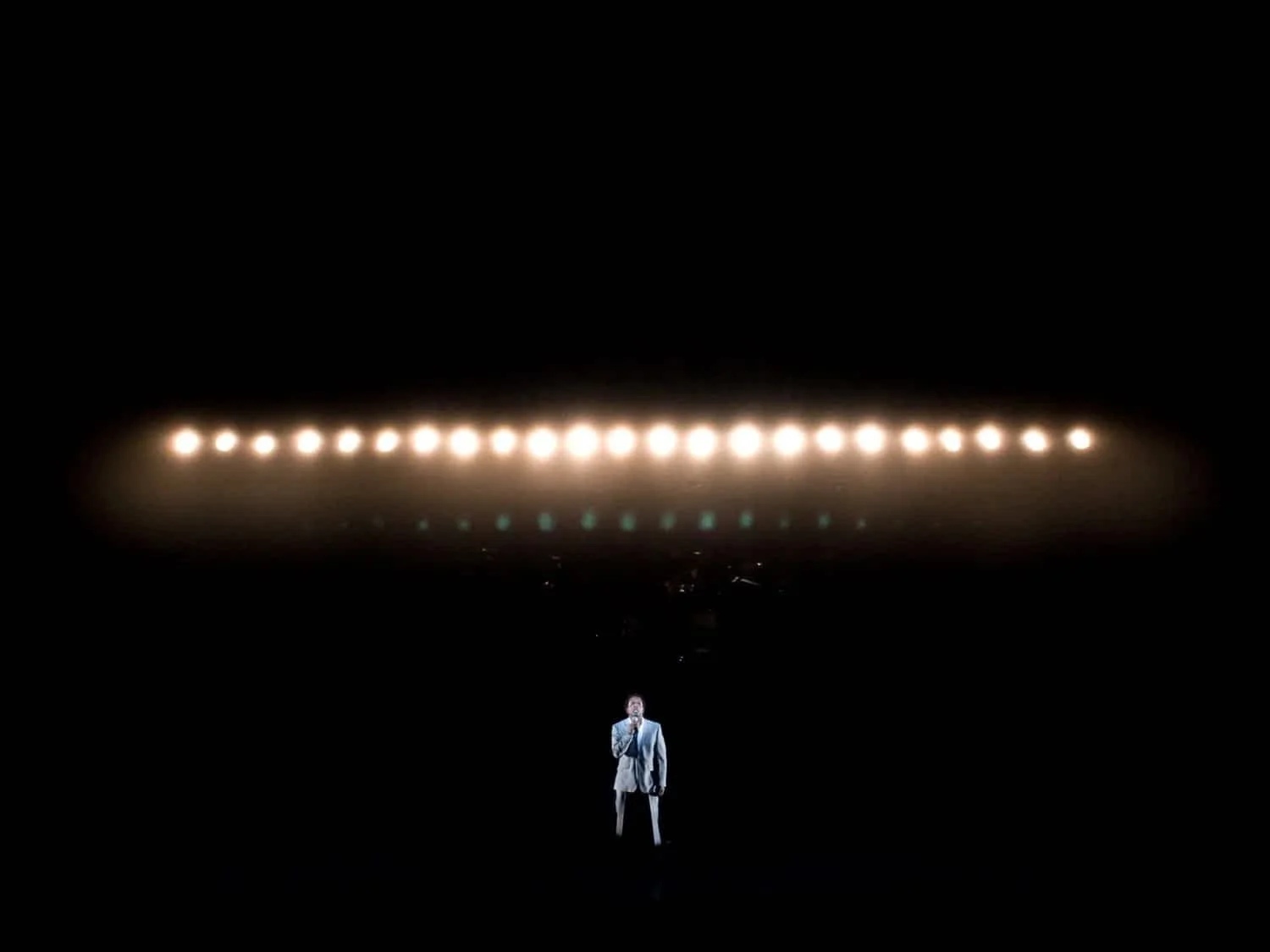
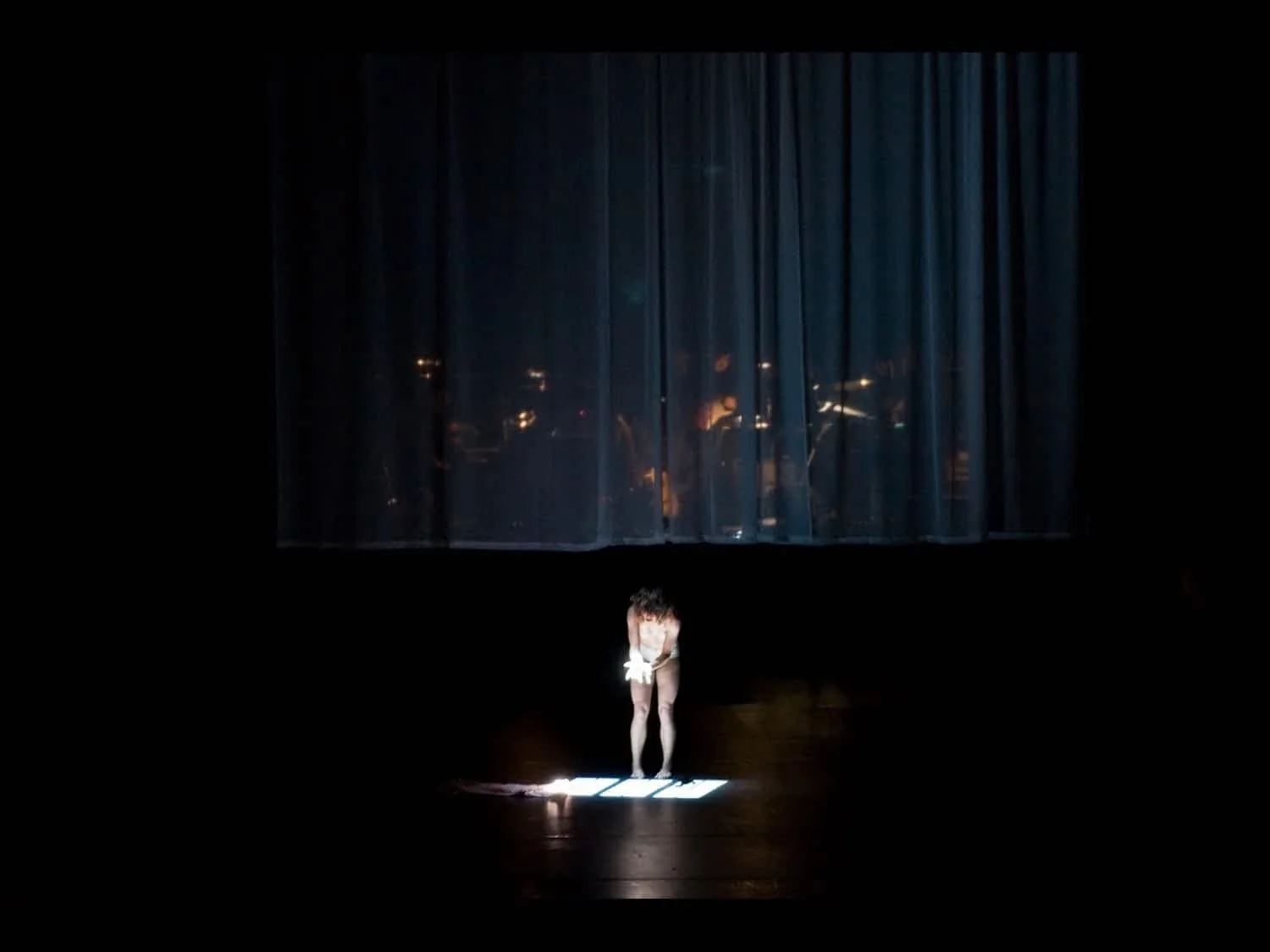
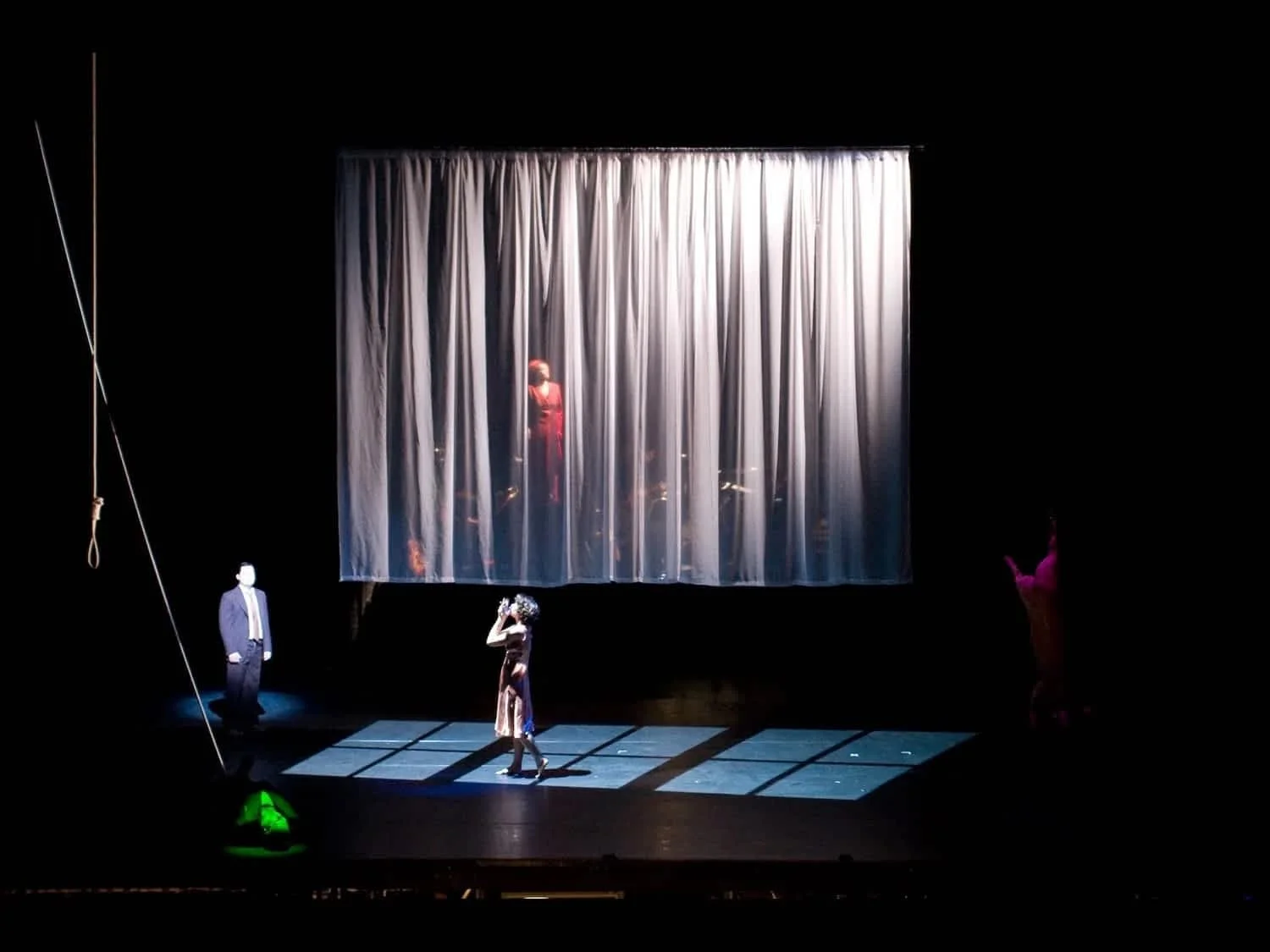
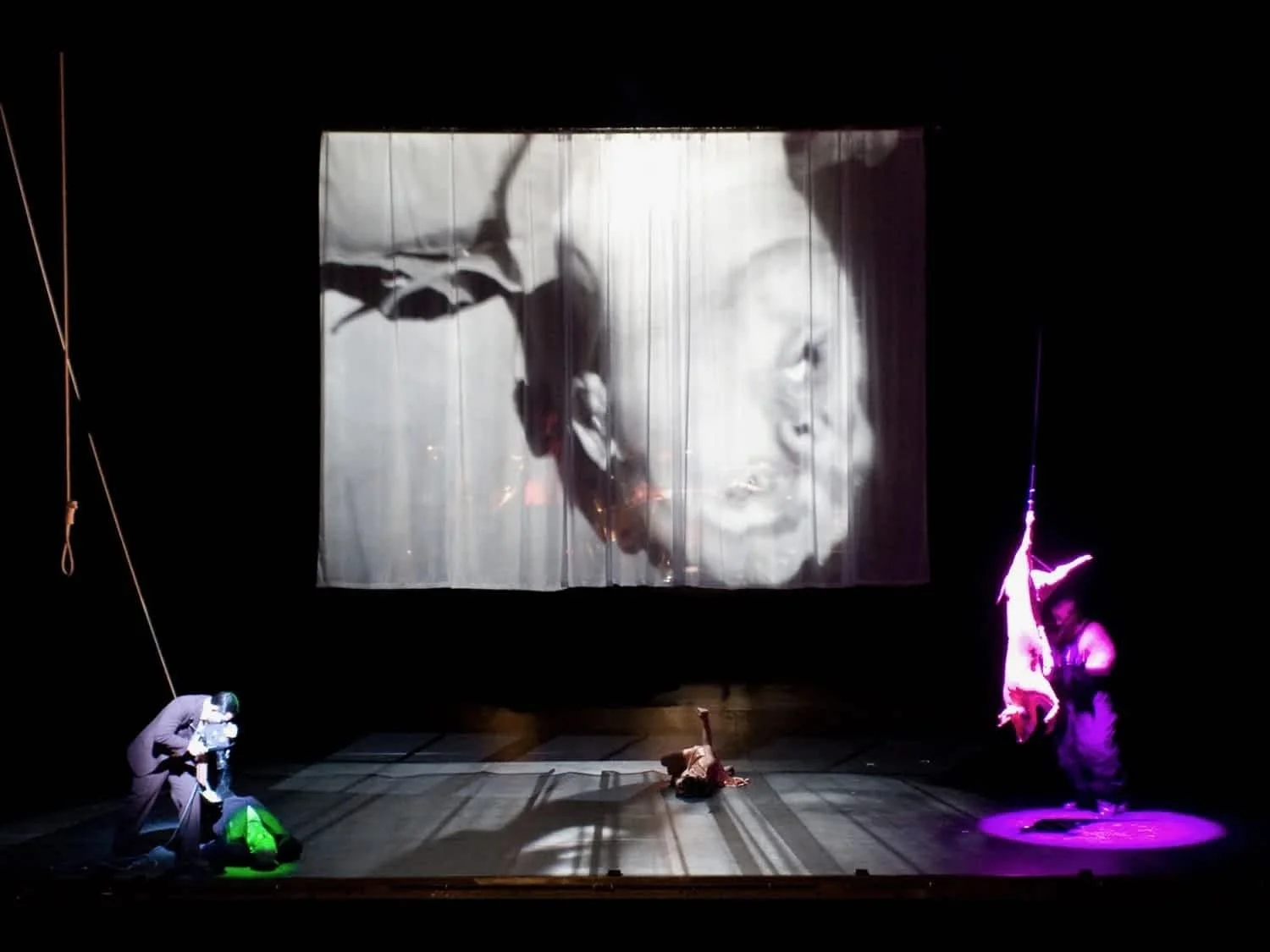
Images from Drifting and Tilting, The Songs of Scott Walker © Photo by Sam Collins
Interview - Dot Allison
Scott had asked if I may want to be one of the singers at the ‘Drifting and Tilting’ show at the Barbican, so I had agreed to do so. When I learnt I was singing ‘Buzzers’ and I realised I had to do some heavy duty homework to prepare.
As a very shy performer myself by default, I wanted to be able to know the pieces inside & upside down and go into granular detail on my rehearsing for them, I was so keen to work hard and to do Scott proud with my part of the show.
The songs are of course at times quite artistically abstract and to a degree pretty free-form in a poetic and lyrical sense too, so some of the chord changes were to some degree harmonically very unusual and not necessarily where the ear may predict they could venture. I decided to meet with Mark Warman in my own time in his studio in Highgate and to rehearse further so it became more ‘muscle memory’ for me, especially being a nervous performer. The thought of being a bit rabbit in the headlights on the stage at the Barbican and not having the songs welded deep to my unconscious mind was not an option! So I practised them in a good few extra rehearsal sessions in Highgate with Mark’s guidance, I feel this did pay off.
After the shows Scott gave me a hug and seemed very happy… so that was a huge, huge relief.
At the time Scott and I shared management who told me they would always pass Scott a copy of my albums when they appeared and he had commented on my voice I was told and described it as ‘Great Pipes’, a quote I will always humbly treasure.
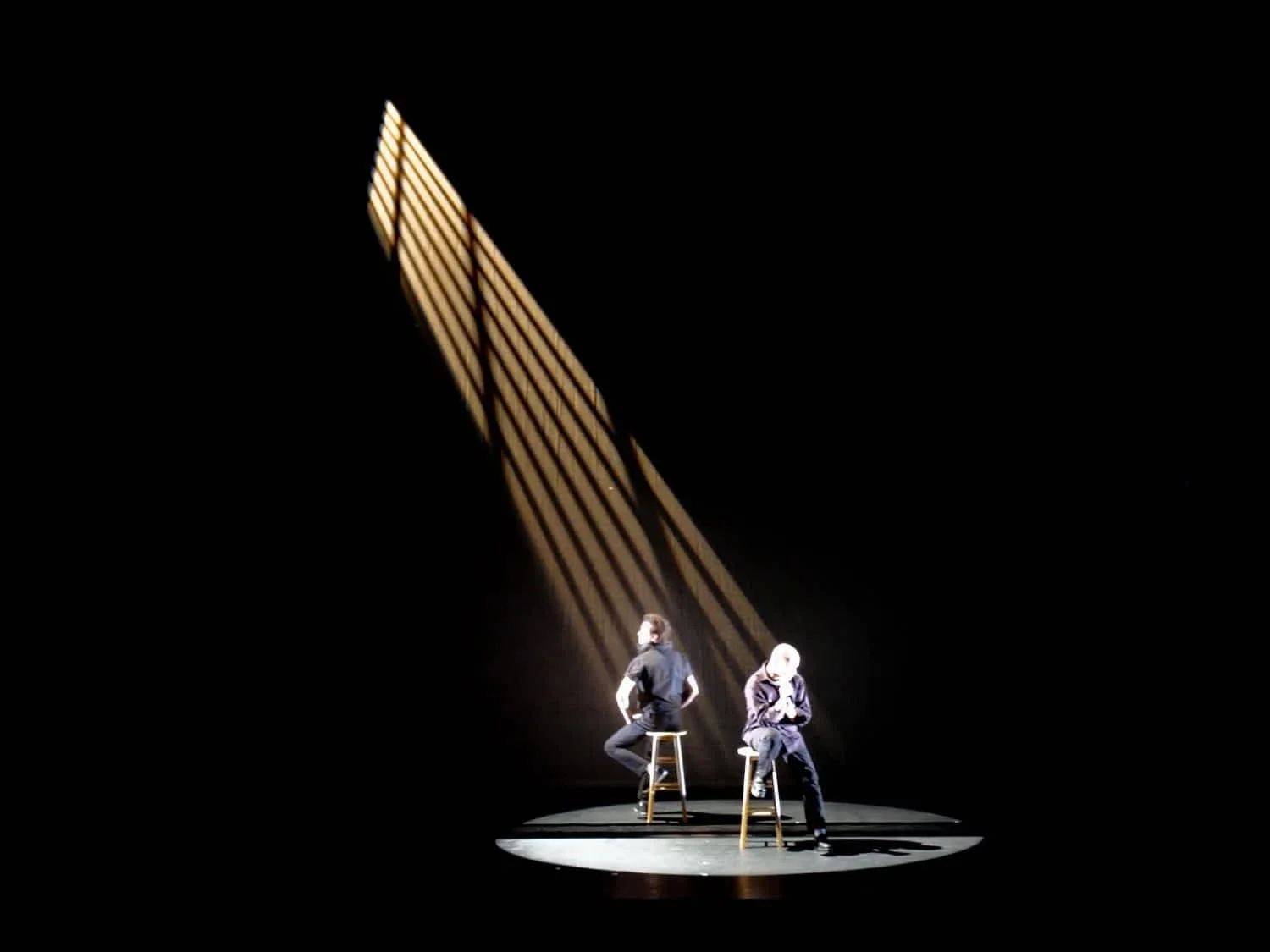
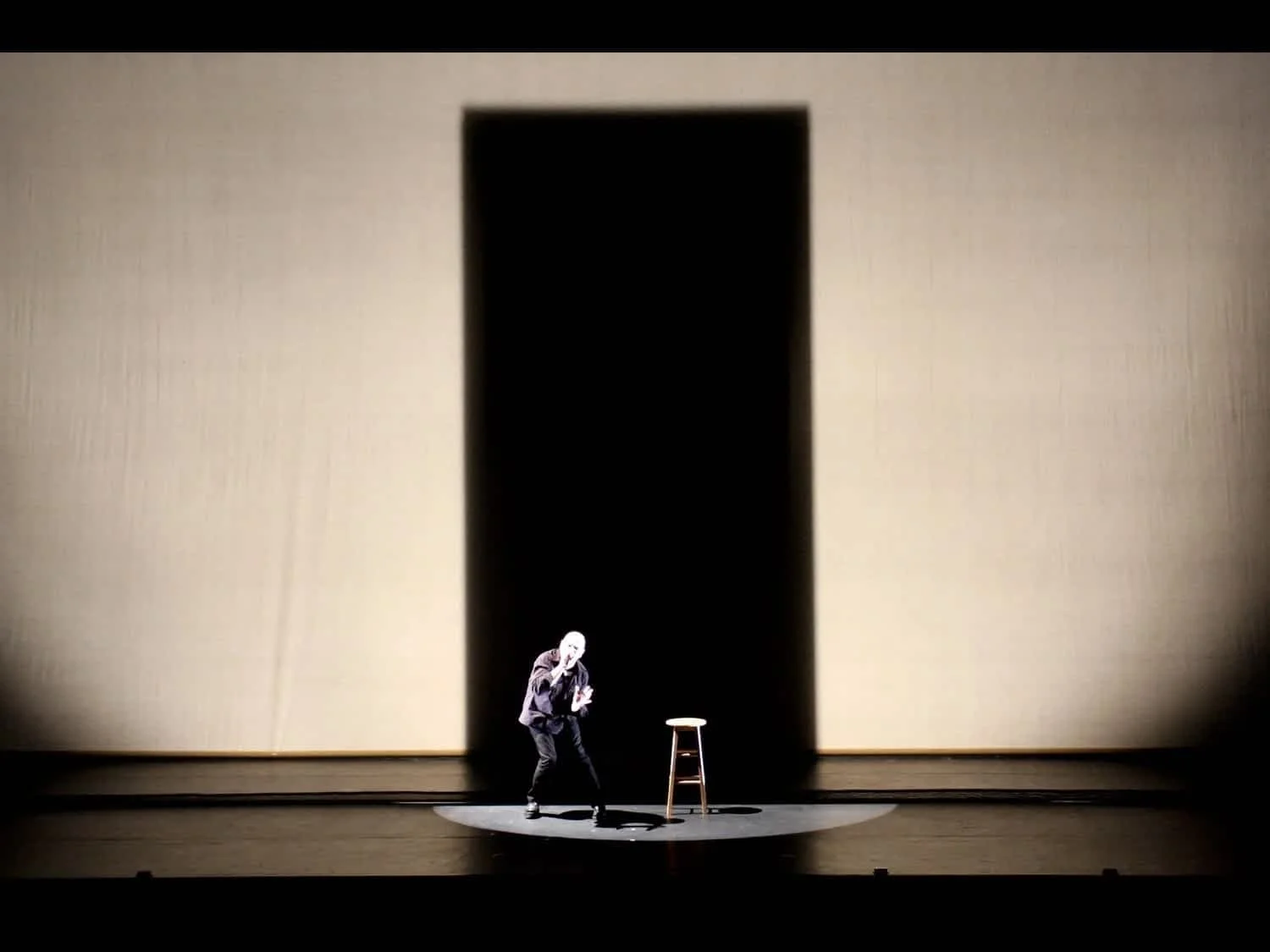
Gavin Friday Performing in Drifting and Tilting, The Songs of Scott Walker © Photo by Sam Collins
Interview - Gavin Friday
The Quietus 2 October 2024 By Julian Marszalek
I love Scott Walker. I got into him when he did an album called Scott Walker Sings Jacques Brel, which was the go-to album for people that were discovering Brel; you could get the translations of what Brel was singing about! But here was this voice of Adonis, like a god, a Greek god, singing these songs about prostitutes. It just felt otherworldly.
When Tilt came out, I was very familiar with noise music from Einstürzende Neubauten or Throbbing Gristle, but this really was different. Immediately the world switched when you turned on the record. It felt you were that ‘Farmer In The City’. And then you go, “Is this about Pasolini?” And suddenly, you really are on a beach where Pasolini is being murdered. It’s so theatrical and it’s so heavy. For me, he did what Francis Bacon was doing with creating his lovers as if they were slabs of meat. Scott Walker hit me in the face musically, but he’s making the lyrics so separate.
And that other song, ‘Bolivia ‘95’. You think you can’t relate to it, but then you hear him sing, “Lemon bloody Cola” and you go, “Oh, Jesus! It’s American imperialism coming right into Central America. The guy is like a Samuel Beckett who makes albums.” You’ve got to think outside the box to really see what he’s saying. And once you realise that these aren’t songs, that they’re poems, that they’re worlds, then you’ll get Scott Walker.
I had the privilege of working with him. One of the hardest tasks in my life was performing with him in the Barbican when he did his Tilting And Drifting shows, and he picked three contemporary singers – Jarvis Cocker, Damon Albarn and myself – to do various songs along with ballet dancers and slabs of meat as his percussion. Trying to sing to a 48-piece orchestra that was out of tune, it was one of the most challenging things in my life.
Jarvis Cocker performing in Drifting and Tilting, The Songs of Scott Walker © Photo by Sam Collins