
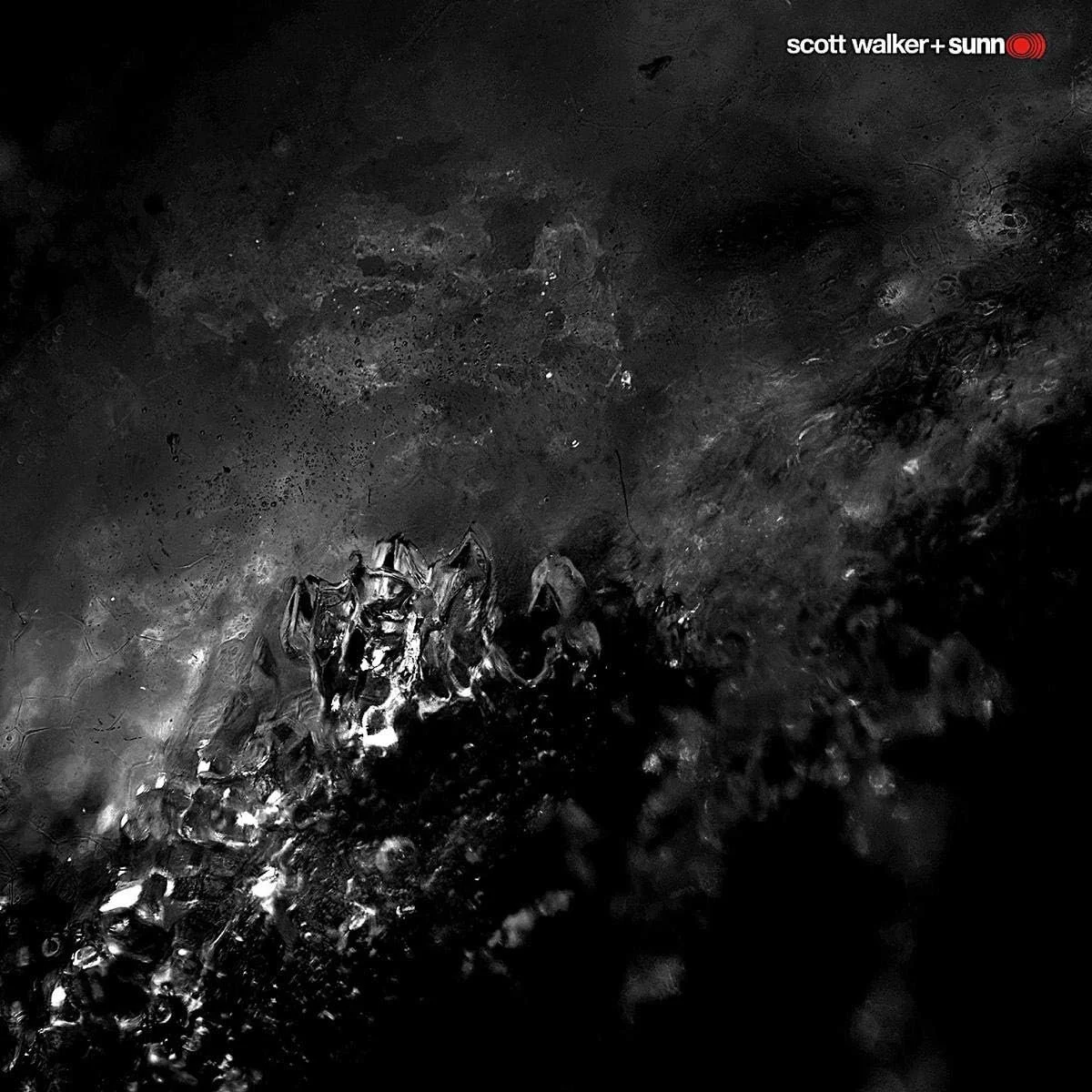
Soused
Scott Walker + Sunn O)))
Released: October 21, 2014. Label: 4AD
Soused is Scott Walker’s first and only collaborative album, made with American drone metal band Sunn O))), comprising five tracks between eight minutes forty seconds and twelve minutes in length. Walker approached Sunn O))) to work with him in 2013, then provided the group with synthesiser demos, without vocals, and specific instructions for the kinds of drones required. Sunn O))) members Stephen O’Malley and Greg Anderson had previously invited Walker to contribute to their track, Alice, on 2009 album Monoliths & Dimensions, which Walker had to decline due to other commitments. The group transported their full stage setup of amplifiers to Walker’s small studio for the final recording sessions in 2014.
In an interview about the album, Walker said to The Quietus’ John Doran that Soused’s title was chosen to reflect the idea of being “submerged in water”. Its tracks include Herod 2014, which references mass infanticide in the times of the Bible and the Stasi, and a mother hiding her babies (“Their soft gummy smiles/won’t be gilding the menu”), Fetish and Lullaby (by by by), Walker’s version of a song he wrote for Ute Lemper in 1999, about assisted suicide.
Other personnel included singer Dot Allison and Sam Walsh on backing vocals on the track, Bull, Ian Thomas on drums, and Peter Gamble, described by Walker to John Doran as “the bullwhip champion of Great Britain”, contributing the sound of whips to the track Brando. The album was produced by Walker and Peter Walsh, who also mixed the album. Walker added to Doran that he and the band were “all volume freaks”.
Album photography was by Gast Bouschet and Philip Laslett. Soused was Walker’s final album, excluding soundtrack work. It spent one week in the charts, at 30 in its first week of release.
Track Listing
Brando 8:42
Herod 2014 11:59
Bull 9:21
Fetish 9:08
Lullaby 9:22
Credits
All songs written by Scott Walker
Produced by Scott Walker
Co-produced & Recorded by Peter Walsh
SUNN O))): Stephen O’Malley, Greg Anderson, TOS Nieuwenhuizen
-
All songs written by Scott Walker
Produced by Scott Walker
Co-produced & Recorded by Peter Walsh
SUNN O))): Stephen O’Malley, Greg Anderson, TOS Nieuwenhuizen
Mixed by Peter Walsh & Scott Walker
Musical Director: Mark Warman
Electronic Sounds Treatment & Manipulation: Mark Warman & Peter Walsh
Recording & Mixing: Westpoint Studios, London. Thanks to Shane Shanahan
Drums & Bull Whips: Metropolis Studios, London. Assistant: Liam Nolan. Analog Technical Support : Simon Saywood. Thanks to Nina Jackson
Session Preparation, Pre-Mixing, Protools Editing: KHS Studios Dusseldorf
Mastering: Abbey Road Studios, London by Frank Arkwright and Peter Walsh
Cover & interior spread photos: Gast Bouschet
Photos: Philip Laslett
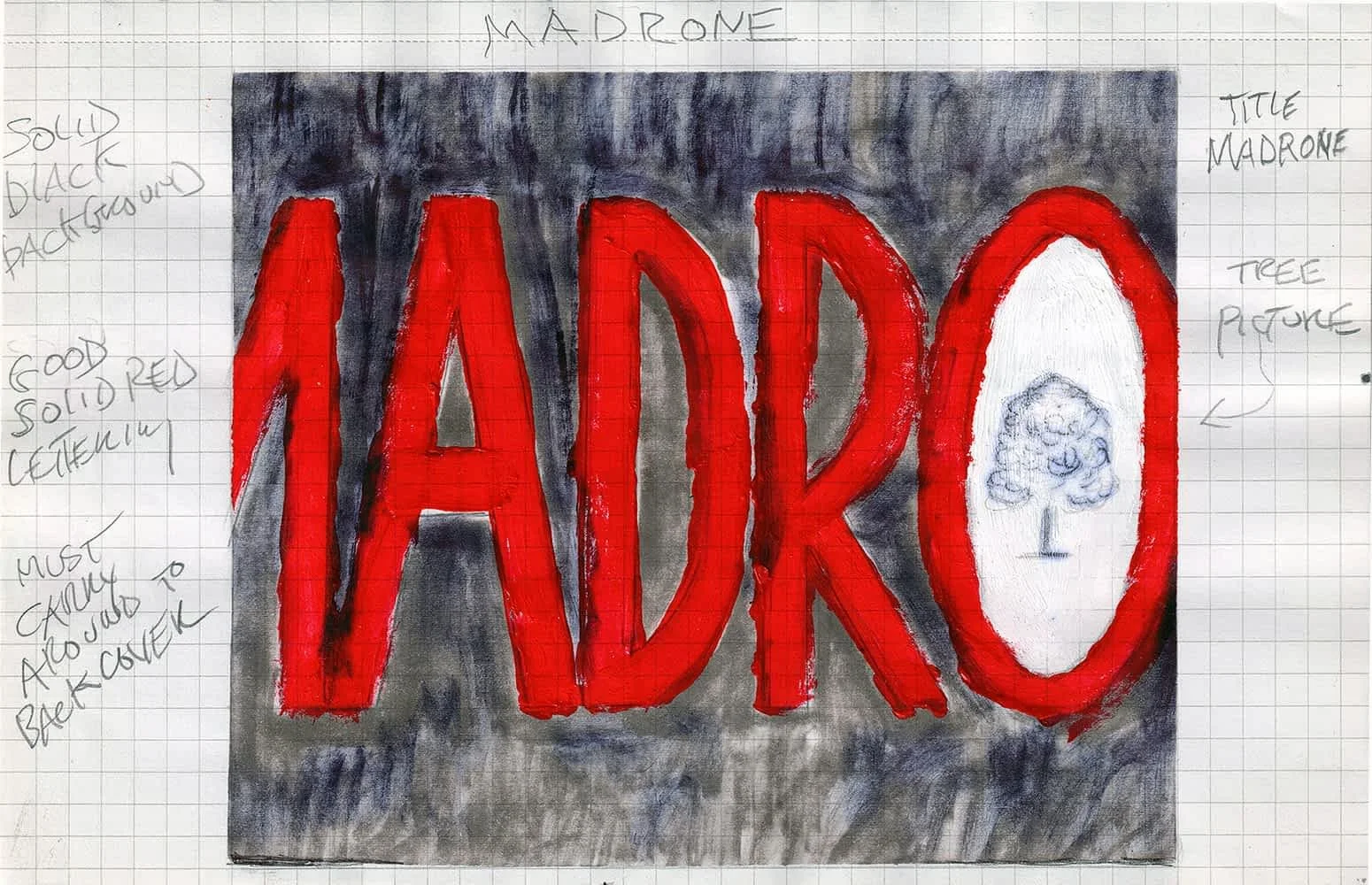
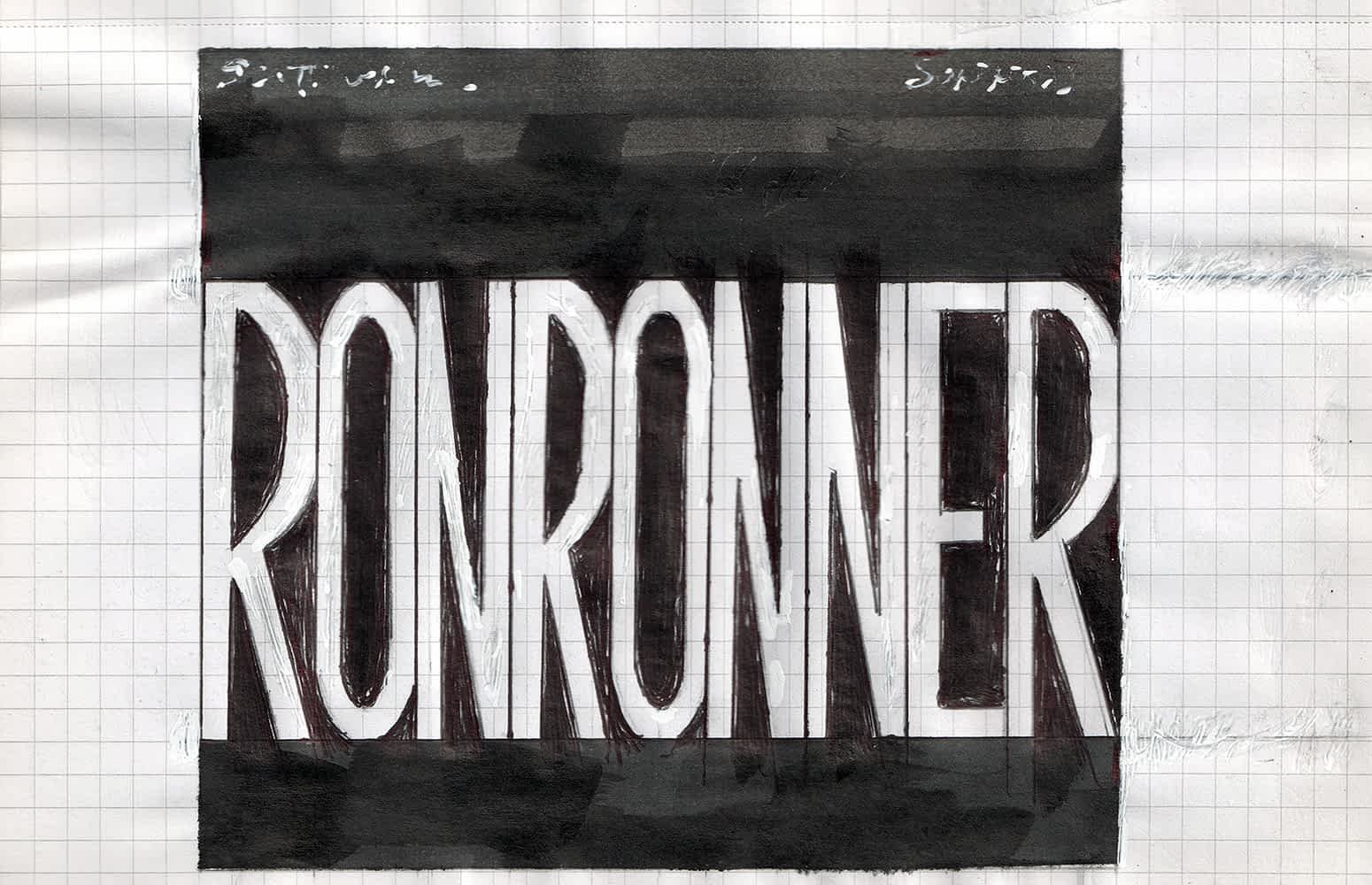
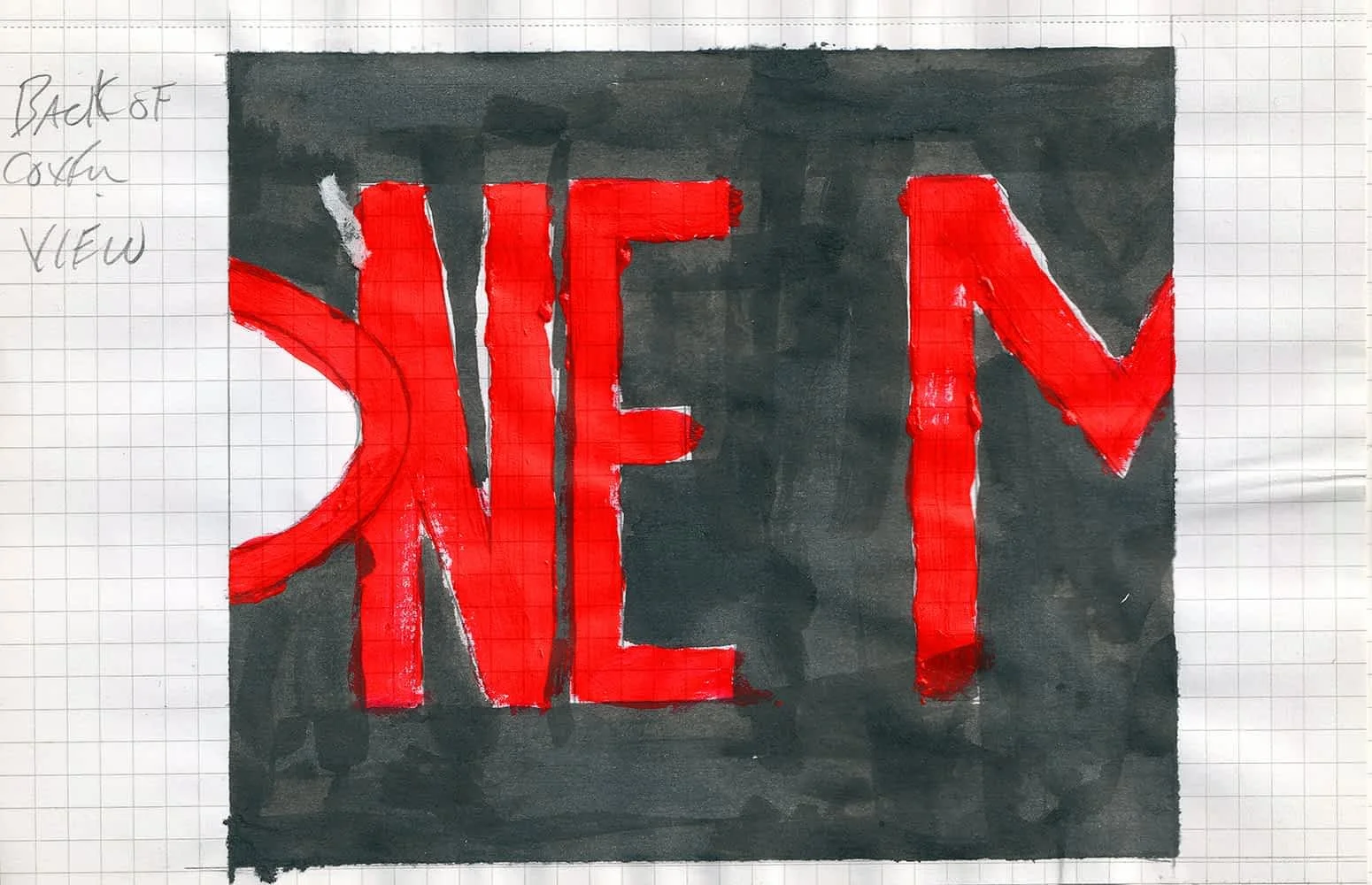
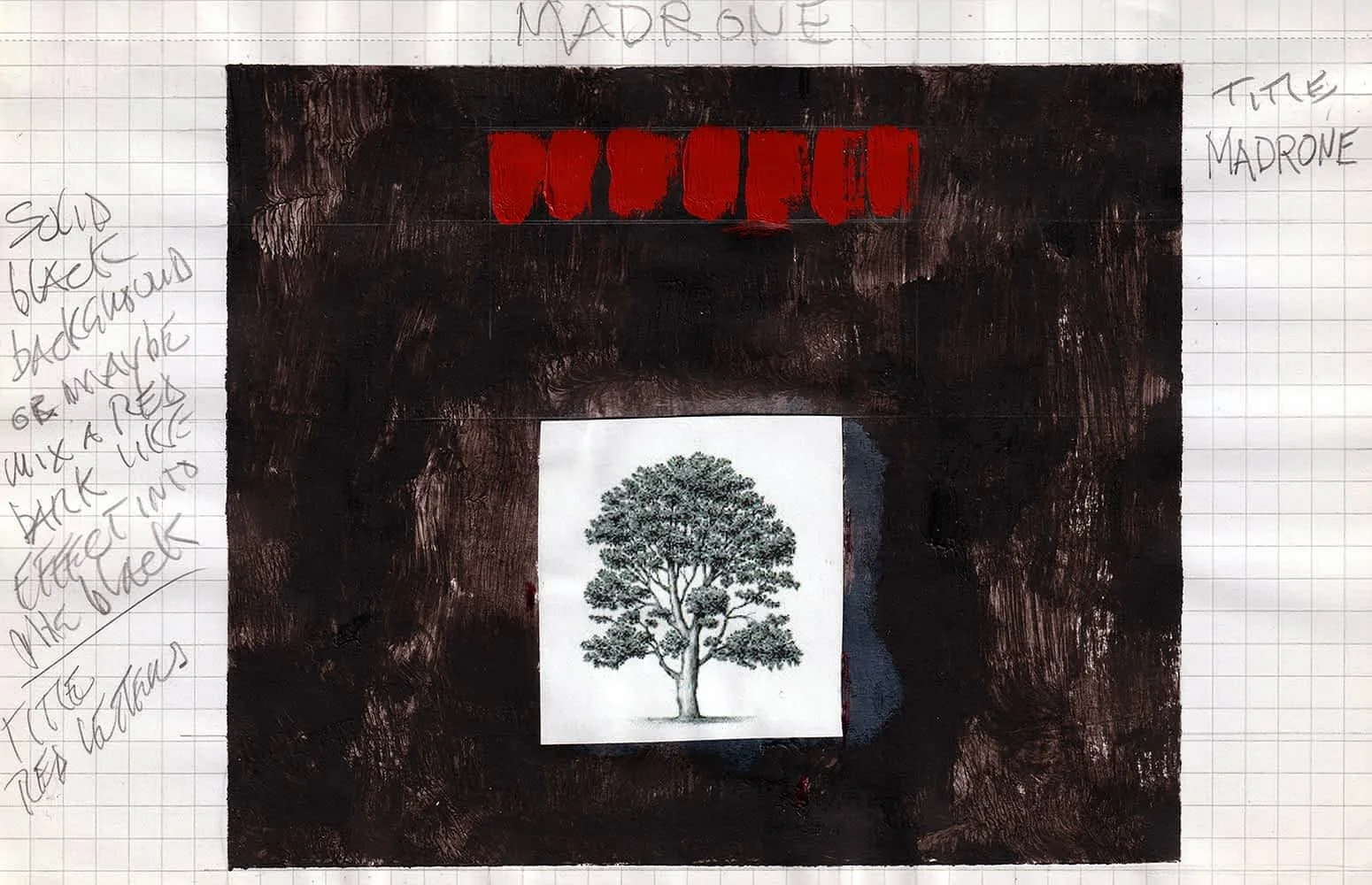
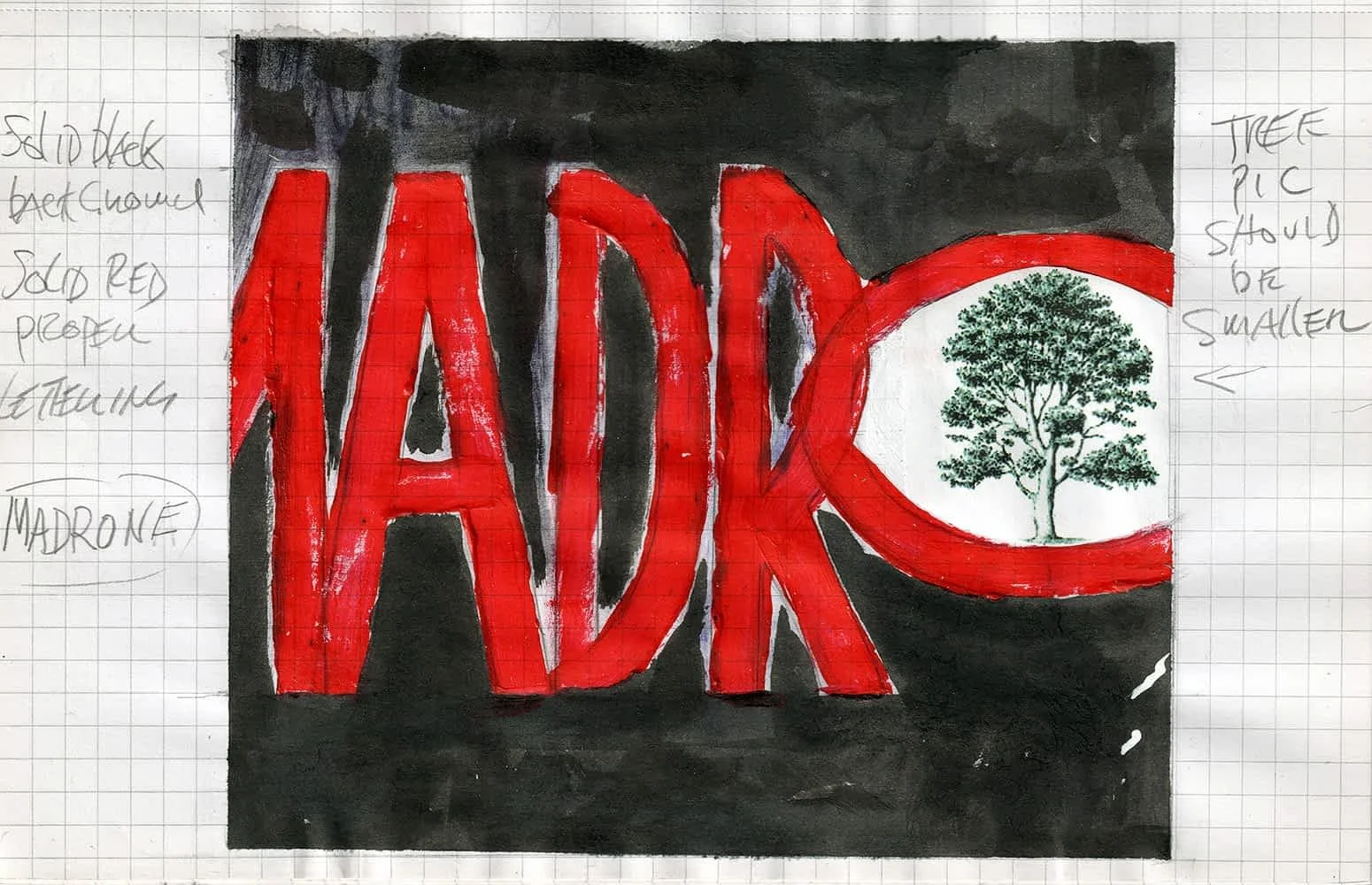
Type / sleeve design: Stephen O’MalleyThanks to Ed Horrox, Simon Halliday, Sam Strang, Rich Walker, Philip Laslett and everyone at 4AD, Siobhan Paine at Miloco, Greg Walsh for the Neumann microphone, Gisele Vienne, Peter Rehberg, Jennifer Anderson, Oren Ambarchi, Shaun Kendrick, Nadine Hilbert & Gast Bouschet
BRANDO
Greg Anderson: Guitars
Stephen O’Malley: Guitars, Bass Guitar
Tos Nieuwenhuizen: Moog, Lead Guitar
Ian Thomas: Drums
Mark Warman: Keyboards
Guy Barker: Trumpet
Peter Gamble: Bull Whips
Peter Walsh & Mark Warman: Drum Programming
Peter Walsh: Keyboards FXHEROD 2014
Greg Anderson: Guitars
Stephen O’Malley: Guitars
Tos Nieuwenhuizen: Lead Guitar
Mark Warman: Keyboards
Andy Findon: Saxophone
Peter Walsh & Mark Warman: Drum Programming
Peter Walsh: Keyboards FXBULL
Greg Anderson: Guitars, Percussion Guitar
Stephen O'Malley: Guitars, Feedback / Lead / Percussion Guitar
Tos Nieuwenhuizen: Moog
Ian Thomas: Drums
Mark Warman: Keyboards
Guy Barker: Trumpet
Dot Allison: Girl Vocal
Sam Walsh: Boy Vocal
Peter Walsh: Keyboards FXFETISH
Greg Anderson: Guitars
Stephen O’Malley: Guitars, Bass Guitar, Feedback Guitar
Tos Nieuwenhuizen: Lead / Riff Guitars
Ian Thomas: Drums
Mark Warman: Keyboards & Shaker
Guy Barker: Trumpet
Peter Walsh: Keyboards FXLULLABY
Excerpts from “My Sweet Little Darling" by William Byrd
Greg Anderson: Guitars, Lead Guitar (‘Chorus’)
Stephen O’Malley: Guitars, Lead Guitar ( ‘Chorus’), Re-amped hi synth
Tos Nieuwenhuizen: Moog, Lead Guitar (Intro and Verse)
Mark Warman: Keyboards
Guy Barker: Trumpet
Scott Walker/Peter Walsh: Drum Programming
“People say there’s a certain sound in the early stuff that runs through everything. There probably is.” And with that, he fast-forwards. “But I can rate them, the albums, as I go along. Not the early ones, because I’ve no idea any more, but I can say the success rate of, say, Tilt, was about – from what I wanted to get – 65%. And then the next album was 75%, and on and on until I hit Soused, which was pretty perfect.”
Scott Walker
Alex Clark, The Guardian - January 2018
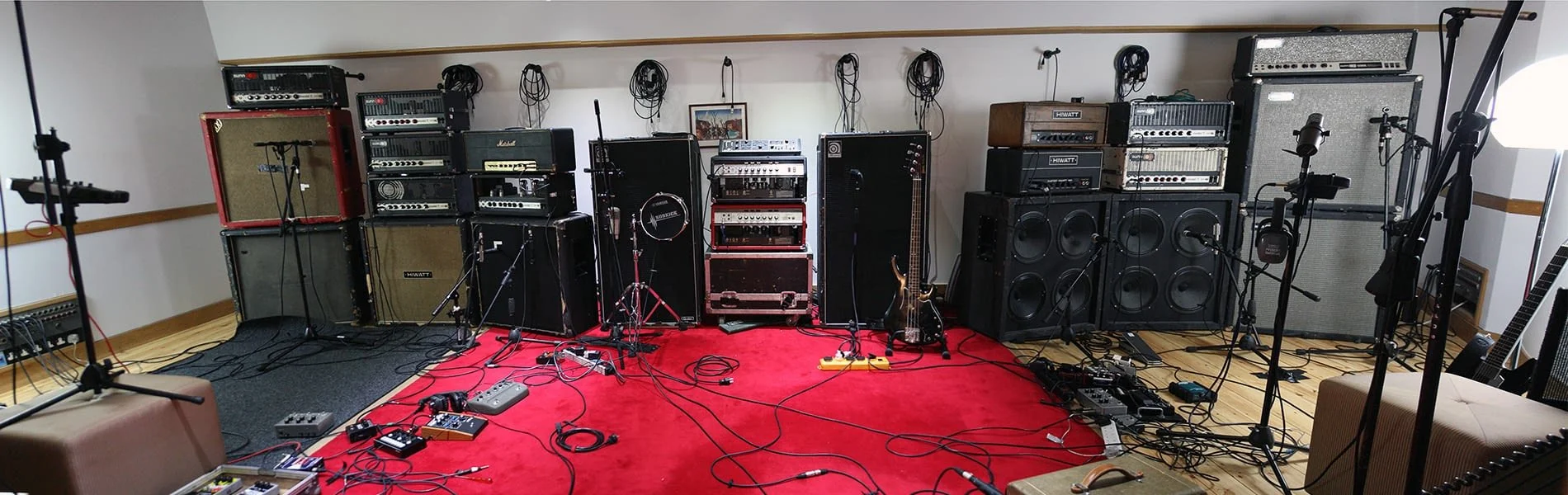
Westpoint Studios, Soused setup 2014. Photo by Philip Laslett
“I just want to say this story because it reflects a side of humanity. And just like pure creativity, I think it's really important to express about Scott, too.
My experience of knowing him for the time I did. It's like,
“I've been thinking about this collaboration. And I actually wrote some songs for you guys. We made a demo. Would you be interested to hear it?”
It was so down to earth. I got the email. I was walking down the street. I had to sit down on someone's porch. I called Greg. I'm like, I think we just got a demo proposal from Scott Walker. And I was like, yes, sir, we would like to hear the demo. It was so right on to hear those compositions. It was like, this guy really understands us. We didn't write these riffs and stuff in that way. But he designed a frame for us to play with our personality and character. It felt really natural. Like, this sounds like something that Greg and I would have come up with if we were writing.
It was so moving that he, after five years, was still thinking about us. And took the time to write this stuff and then to reach out so humbly. It still blows my mind.”
4AD Foragers Podcast with Stephen O’Malley
Interview
The New York Times, 9 October 2014
By Ben Ratliff
Viscerally Piercing the Semantic Mist
LONDON — There’s a song on the singer Scott Walker’s modestly terrifying new collaboration with the drone metal group Sunn O))) called “Herod 2014,” and it seems to have something like a narrative.
This is unusual for Mr. Walker, 71, an American who became famous in Britain with the Walker Brothers in the mid-’60s, singing dance-craze numbers and morose, easy-listening wall-of-sound ballads. (The best known was “Make It Easy on Yourself,” in 1965.) As a group, the Walker Brothers were flawed almost to the point of being nonsensical, and after 1967, Mr. Walker set upon a course of ambitious solo records. Especially since “Climate of Hunter” in 1984, they have become cultish prizes, intricate puzzles of shock, indirection, nonresolution, theatrical uses of text and extended technique, often with a 40-piece orchestra. In an interview last month at his manager’s home office here, he told me that he was always looking for what he called a “whoops factor”: a moment of incomprehension on the part of the listener
Once a romantic hero, then an existential one — blond, narrow-hipped, unsmiling behind sunglasses — Mr. Walker no longer has a stage persona. He hasn’t performed in public since a television appearance in 1995, and hasn’t played a concert since 1978. Whatever his music is now, it’s not pop. He’s a composer who happens to use his voice, a semi-operatic baritone pushed to high and quivering extremes, as an instrument to serve his meticulous texts, which on the new album, “Soused,” include words like “bliaut” — a 12th-century European overgarment — and “bescumber.” (Look it up.) And maybe something else: a maker of abstract dramas with tones as characters. His work demands that you come more than halfway toward his isolation, his need to do things differently, and perhaps his story of turning from light to dark.
I would argue that “Soused,” which comes out Oct. 20 on the 4AD label, might be the first music Scott Walker has made in a very long time — maybe since his contributions to the Walker Brothers’ final record, “Nite Flights,” in 1978 — that can be absorbed into the body and enjoyed as a thrill, without needing to learn a lot of other context about his aesthetic transgressions, without attending to the Myth of Scott. Rather than withholding musical or emotional payoffs, which has long been his way, there’s a sort of constant payoff here: no orchestra this time, but the steady electric-guitar and bass drones of Sunn O))) (simply pronounced sun), rich and distorted and marvellous.
In the lyrics of “Herod,” a woman appears to be protecting her children from the outside world, which is full of forces that seem treacherous, skeletal, verminous. “She’s hidden her babies away,” he croons repeatedly. There’s a reference to “the goon from the Stasi,” to crèches “heaving with lush lice” and to “posed, high,/pelvic bridges.” And under the carpeting drones of Sunn O))) and various prehistoric-sounding noises, there is a small bell tone, repeatedly struck, almost all the way through.
Mr. Walker, born Noel Scott Engel in Ohio — the Walker Brothers were neither Walkers nor brothers — has lived in London for most of his life now. During our conversation, I asked him about the bell. It’s a strange thing, I said: It becomes blotted out by the other sounds, such that you forget it’s there. But it keeps going. “Yes,” he said, perking up. “Oh, I’m glad you mentioned it. I haven’t mentioned this to anyone. The bell, in a sense, is representing her.”
The mother?
“No, the, uh….” Mr. Walker suddenly redirected the conversation. He is more like a writer or a painter than a musician. You get the sense he’d like to be alone with his work as soon as possible. Dressed in his regular uniform these days of skinny jeans and military cap, he was polite and factual, and stopped talking when he wanted to keep something to himself. But here, he felt compelled to elucidate, if only to convey the song’s meaning to me in particular, a listener with the capability of influencing other listeners. “The she, of ‘She’s hidden her babies away,’ the woman, the woman image.” Not a mother, not even necessarily a person. The bell, he explained, is “being suppressed, and buried all the way through the track. I’m glad, because I was worried: Can you still just about hear that?”
Later, I asked Mr. Walker’s producer and engineer, Peter Walsh, about the bell. (Mr. Walker has worked with Mr. Walsh exclusively since 1984, and with many of the same musicians. When he talks about his music, he says “we,” or sometimes “you,” as in, “There’s always 40 strings on all the records, because you need that weight.”) Mr. Walsh hadn’t known about the bell’s representing the woman, but indicated that it was a “major concern”: carefully adjusting its volume through the mix, making it just audible.
Another major concern during the making of “Soused,” recalled Stephen O’Malley, a guitarist in Sunn O))), was that the record should not sound “epic” — which is funny, of course, because epic is what you’re going to get if you enlist Sunn O))). Mr. Walker likes it when instruments don’t fulfill their normative roles. So saxophones and trumpets sound like animal cries. And guitars sound like the creation of the universe.
Mr. Walker’s tendency toward protection and obscurantism runs deeper than that, however. He doesn’t communicate what the songs are “about” to the musicians, or even Mr. Walsh, and only sings the lyrics in isolation, at the end of a recording session. Mr. Walsh is possibly the only person who has seen Mr. Walker sing in the last two decades.
The Myth of Scott includes a period of alcoholism (and strangely halfhearted country-pop records) in the 1970s. But the word “Soused,” Mr. Walker confirmed, is to be taken in its other meaning: drenched, or plunged into water. That could have something to do with the flooding quality of the drones, the thickness of that sound. Mr. O’Malley, 40, and Greg Anderson, 43, the principals in Sunn O))), are serious fans of Mr. Walker. They asked him to participate on its album “Monoliths & Dimensions,” from 2009, but Mr. Walker wasn’t available; subsequently, he circled back to using them on his own record.
“I’m always looking for an elemental, primal noise in my music,” he explained. “I thought, what’s more basic, more primal, than a drone?” It didn’t take long to make his decision. “I figured, if I’m going to do the drone thing, they’re the kings of the drone, to me. I might as well get them.” But interestingly — or typically — the decision to work with Sunn O))) wasn’t necessarily about musical sound per se. Like all Mr. Walker’s decisions about his music, the words come first. The sound is something to set the words against, a kind of cushion to display the text. “I love the idea of the drones,” he said, “because I could get those gaps, you see, between phrases. Which I usually fill with silence, but now I had the drones.”
Without meeting in person, without discussing how much he or the band knew of the other’s work, he provided Sunn O))) with wordless demos of the tracks that he and Mr. Walsh made entirely with synthesizers, plotting out almost exactly what the band was to play, Mr. O’Malley said, with great intuition about the band’s sound and style.
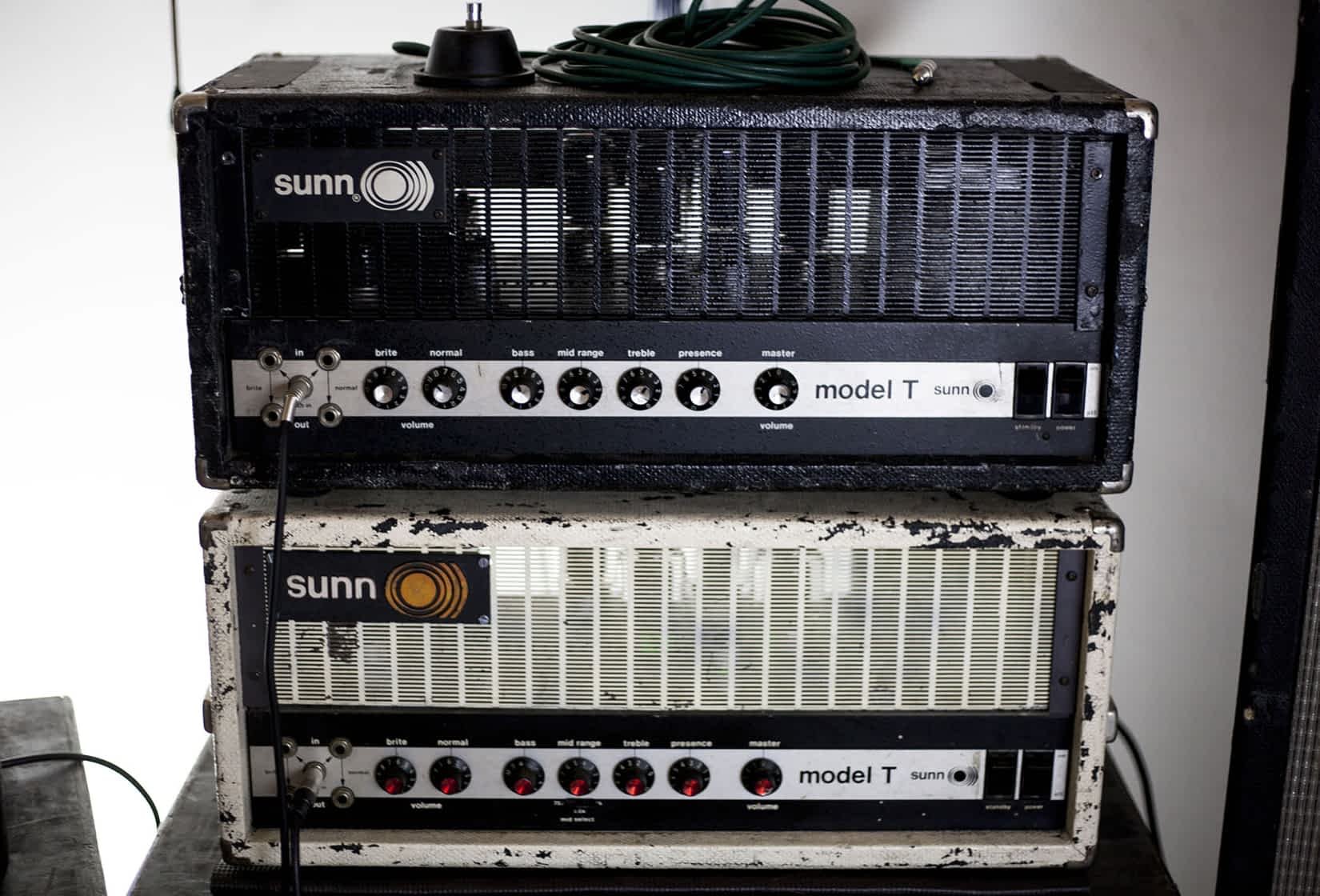
Sunn O))) brought its entire stage back line to London: a wall of amplifiers variously made by Marshall, Ampeg, Hiwatt and Sunn, from whose logo the band took its name. Mr. Walker told me that he was used to recording guitars loud in the studio but that this was a different story. “When you stepped into the studio, it just came up to your knees,” he said. “We all had to wear earplugs when we were in there.”
To some extent, the directive that the record not sound epic is followed in the first seconds of the album, in the menacing track “Brando.” (The title, and its refrain — “A beating would do me a world of good” — refers, Mr. Walker explained, to how Marlon Brando seemed to get beaten up in so many of his films.) The opening is gigantic: an organ tone; Mr. Walker belting, “Ah, the wide Missouri!”; and a sweeping, clear guitar line — one that could easily be described as epic. That guitar line is followed by another one, abrasive and staccato and brutal, about 20 decibels louder in the mix. It’s like the beating up of epic.
I also asked about “Fetish,” an episodic song on the album that builds up serious intensity three minutes in, with crashing drums and power chords, so that you expect the singer to suddenly be singing the heart of the song. But he doesn’t: He continues with the same kind of fractured images as before. It’s startling how that frustrates the listener. Was that on purpose?
“Well, yes,” Mr. Walker said, “because in a sense that’s what most of my songs are about. Frustration, and failure. Sometimes, if I have a romantic lead line, I think to myself, people are really going to like this, because they can lock on to it. And if that starts to happen, I’ll” — he smacked his fist — “do something about it. Because I’m — I’m not interested in that, basically.”
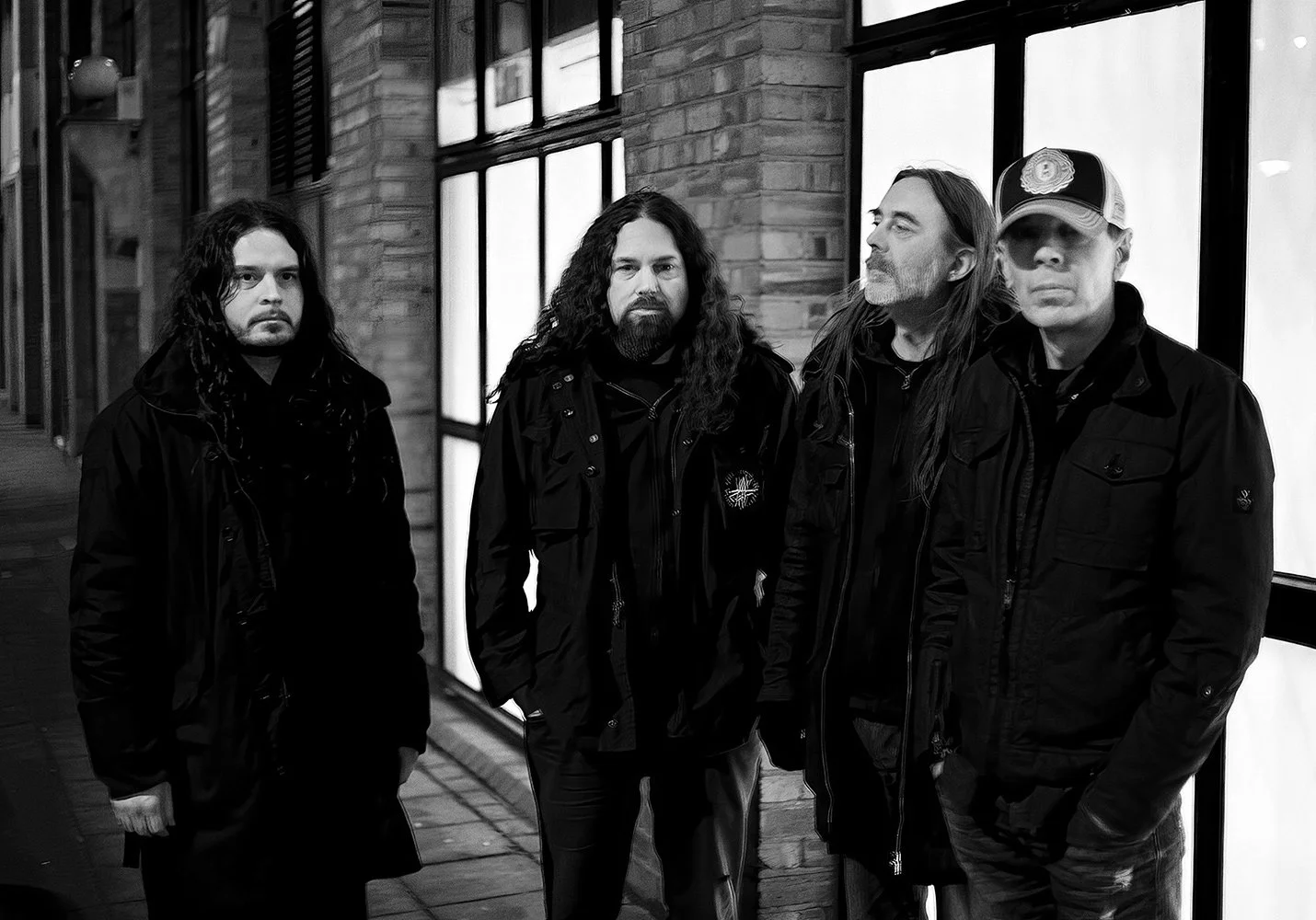
Photo by Philip Laslett
Interview
The Quietus, 21 October 2014
by John Doran
Enter The Furnace: Scott Walker Interviewed
John Doran meets the inimitable 30th Century Man to discuss Soused, his collaboration with Sunn O))) and front runner for album of the year
“When Richard Strauss conducted his opera Salome on May 16, 1906, in the Austrian city of Graz, several crowned heads of European music gathered to witness the event. The premiere of Salome had taken place in Dresden five months earlier, and word had got out that Strauss had created something beyond the pale – an ultra-dissonant biblical spectacle, based on a play by an Irish degenerate whose name was not mentioned in polite company, a work so frightful in its depiction of adolescent lust that imperial censors had banned it from the Court Opera in Vienna.”
Alex Ross from The Rest Is Noise
If people had been outraged by Oscar Wilde’s play Salomé with its implicit references to necrophilia and incest; as the basis of his “ultra-dissonant” opera, Strauss leant on and amplified these themes to help create a massive succès de scandale that simultaneously shocked, delighted and disgusted contemporary Austrian society. But it was a success that doubtlessly overshadowed his musical innovation.
Over a century later, the second track on Scott Walker and Sunn O)))’s outstanding album Soused – ‘Herod 2014’ – revisits The Bible to retell an even more disturbing story: that of the King of Judea (Salome’s grandfather) and his campaign of mass infanticide. As moving and as brilliant as this track is – and it is moving and brilliant – it demonstrates how the potential of art to create controversial shock and awe has all but vanished. How could a listener be dismayed by this ancient tale of terrible violence done in the Middle East – or the sonic shroud it is presented in – when just a click away on YouTube there is footage of aid workers and journalists being beheaded in Syria and families being decimated in the Gaza Strip for all to see.
Art’s ability to scandalise can no longer keep pace with modern information media’s unflinching gaze on the genuine brutality of 21st Century life (this theme is explored in more depth in an excellent essay on Soused by Dan Franklin which will be published on tQ next week). This of course should be viewed as a Good Thing as it has actually freed the modern artist from 20th Century shackles, rather than made their job harder. (If only once powerfully influential celebrities such as Morrissey and Damien Hirst could understand that they have been liberated from the need to be controversial; if only they could realise that the insistence on sticking with old modes of behaviour simply makes them look repugnant, conservative and out of date rather than subversive.)
In his hugely influential 1936 essay The Work Of Art In The Age Of Mechanical Reproduction (Or Reproducibility) Walter Benjamin said that the ubiquity of art caused by modern technology had liberated it from subservience to ritual and allowed it to assume a political role. Now that art has been liberated (essentially and for the most part) from the need and the ability to outrage, it is now also genuinely free to be judged more on aesthetic, artistic and political criteria rather than merely by the column inches it has the potential to generate. As time progresses, those who pursue controversy purely for the sake of promotion will only look more and more out of touch. Those that haven’t been exposed already will reveal themselves to be charlatans.
This is not to say that Soused doesn’t shock in other ways. It really does. There is the initial rush… the initial blast of hearing it loud… Holy shit! It’s Scott Walker and Sunn O))) – it’s actually real and not just some torrid dream I had! But the transition from an initially violent state of novelty to one of deep appreciation is smooth and luxurious. Yeah, Soused is a mind blowing first listen but it’s the keeper of all keepers as well. The aesthetic, the (spiritual and philosophical) weight of the music and the outlier nature of the work that both Scott Walker and Sunn O))) produce are both weirdly complimentary and very similar by turns even though in strict musical terms they could barely be more different from one another. And this is followed by the thrilling aftershock of counter intuition – the realisation that this bizarre, dreamlike combination of heavyweight musical talents has resulted in probably the most accessible thing that Scott Walker has produced since his tracks on Nite Flights (and it is certainly Sunn O)))’s most accessible album full stop).
The title is apt, with its reference to ritual submersion in liquid, drunkenness and pickling not to mention its status as an archaic term for assault. The term ‘soused’ of course reflects Sunn O)))’s atmosphere disrupting drone metal, which is as impactful as always, its effectiveness not blunted for being used sparingly in relative terms. (Stephen O’Malley told me a few weeks ago that when they arrived at Westpoint, they brought with them so much amplification that they couldn’t fit it all into the studio. But they fitted enough inside for the job and he described the session as feeling like it was “cracking the physical space wide open with electrical energy”.) Scott Walker and Peter Walsh’s stately production job has perhaps burnished the colossal drones but not hampered their efficacy.
Of course it’s hard to judge after such a short amount of time but the words to these tracks feel like the best lyrics that Walker has produced. Sure, they lack some of the labyrinthine/T.S. Eliot setting a cryptic crossword ferocity of those on Bisch Bosch but fundamentally they’re more enjoyable to listen to and revel in. A comparable switch would be reading The Wasteland and then The Love Song Of J Alfred Prufrock. Take ‘Herod 2014’ for example, which is ostensibly about a mother hiding her firstborn from the king’s terrible edict:
“She’s hidden her babies away
“Their soft gummy smiles
won’t be gilding the menu.
“The deer fly, the sand fly
the tsetse can’t find them.
“The goon from the Stasi
is left far behind them.
She’s hidden her babies away.
The potential to further explore Herod’s slaughter of the first born is ignored, thankfully, in favour of a different kind of horror, one that is hard won and slow to reveal itself. And one that is explored with an efflorescence of vivid imagery:
“She’s hidden her babies away
“And why bring them out
with no shelter on offer.
“The nurseries and creches
are heaving with lush lice.
“Bubonic, blue-blankets,
run ragged with church mice.
“The Havana has died
in the clam-shell ashtray.
“She’s hidden her babies away.”
And by the time we get to the ‘punchline’ – his vision is revealed as a retreat away from reality. A retreat away from sanity. A retreat away from existence itself. This horror is pure shock not schlock and Lovecraftian in its intensity:
“A R-e-a-c-h-i-n-g L-o-n-g A-r-m-e-d
vet ape
feeling hard
for a breech birth.
“I gaze up at the night,
at the asterisk’s blazing,
“till they straighten,
and like tiny spines,
fall to earth.
“I bite down on this,
as I dance
and I pray.
“She’s hidden her babies away.”
That Soused exists is, on its own, cause for celebration. That it exists and is brilliant is cause, in my opinion, for the declaration of a new national holiday.
I met up with Scott Walker last week at his managers’ West London home.
First of all I wanted to congratulate you on your poker face because when I was sat in this very same chair in December 2012, interviewing you about Bish Bosch I was actually wearing a Sunn O))) T shirt and I asked you some questions about drone metal and black metal. You said you were aware of these genres and discussed them briefly with me but of course behind the scenes you’d been talking to Stephen O’Malley and Greg Anderson of Sunn O))) for a couple of years by that point.
Scott Walker: I’d been talking to them but not literally. We’d been sending messages back and forth. I was thinking about the project then, yeah.
When did Sunn O))) first get in touch with you?
SW: In 2009. It was for Monoliths + Dimensions but I couldn’t do it – not because I didn’t want to but because I wasn’t available, I was working on something else at the time. They wanted something written and sung and I just didn’t have the time. So that was the first time.
Did they send you a scratch demo of the track ‘Alice’?
SW: They did. I don’t remember what the track was called but yes they did. They asked me if I could write something for it and sing it.
Had you heard the band before?
SW: No.
Did you explore what the group sounded like?
SW: They sent me all of their CDs and I listened to nearly all of them – simply because I really liked them. And that’s when I became aware of them.
There’s a slogan that’s printed on a lot of their records which reads: “Maximum Volume Yields Maximum Results”. Did you acquiesce to their dictat and did you give them a good rinse?
SW: Yes. We’re all volume freaks. Even before this record we have always recorded guitars at a very high volume in the studio but of course it was never anything like Soused. We even mix very loud, which is very unfashionable.
After you couldn’t work with them on Monoliths + Dimensions when did the first germ of the idea for Soused happen?
SW: I think the last time we spoke, I told you what a trial it was making the last record not because of being in the studio but because of the gaps between everything. And it literally drove Pete [Walsh, musical director] and I insane… I was thinking that I would love to make a record faster and with continuity and reduce everything. Get rid of the cast of thousands and take it down to the basics. And the basic in music is the drone. So I thought, ‘Well, it’s a reductive exercise.’ And then I thought of those guys and the drones. So I sent them an email via the record company and said, ‘Look if I’m going to do this are you interested… if I write these songs do you want to be part of it?’ They said yes they were so I said, ‘Well, I’ll get on with it then.’
Whether it’s avant garde or extreme or mainstream heavy metal – is this a genre that you’ve not really paid that much attention to in the past or is it something you’ve been moderately aware of?
SW: Moderately aware of. Yeah. And I’ve always liked it. And I’ve always thought, ‘My sound could work with this.’ And so it was really a case of who to pick to work with.
And I don’t want to state the obvious but it feels to me like what Sunn O))) do and what you have done over the last four albums might not be in the same genre and might not sound formally alike but aesthetically, philosophically and spiritually they have a lot in common don’t they?
SW: Yeah. It’s the weight of it. Because it’s not like working with a band which would be boring to me when it’s just like four or five guys playing. I either wanted to do something very big or very small. If you look at the last track on my last few albums it’s just me and it’s quite small or otherwise it’s a cast of thousands. They were a great compromise in that way because of the weight they have. I mean they’re so loud. When we recorded them [laughs] it was shockingly loud. We’d go into the studio and… ha ha ha! We all had to wear earplugs. The first day we heard it – that brought new meaning to the phrase ‘guitar levels’.
I believe that when Sunn O))) turned up to Wespoint in London, they brought so much amplification that they couldn’t fit all of it into the studio, which is almost worthy of a Spinal Tap storyline.
SW: I know. It was ridiculous. But thankfully enough of it fitted in. It was just perfect for what I wanted to do.
Was Peter Walsh at the receiving end of the guitar onslaught?
SW: [nodding] Because he’s miking things up. Yeah. [laughs] So he started wearing earplugs pretty quickly and so did Mark [Warman, Musical Director]. And then everyone started wearing earplugs. But you can feel it right up through your knees, it’s such a weird thing. And funnily enough when I was standing right in the centre of it, it didn’t bother me but when you first go into the room it’s like entering a furnace… a furnace of sound.
Did you find it interesting that they obviously had a pedigree for working with very distinctive vocalists such as Attila Csihar of Mayhem and Julian Cope?
SW: I thought their sound would be complimentary to my voice but whichever vocalists they had working with them before I had really no interest in that, that didn’t influence me at all. I was just thinking what I could do with them and what I could bring to the project. So that wasn’t a consideration.
Stephen O’Malley told me that he was blown away by the scratch demos that you sent to him and Greg; that they revealed that you completely understood how their music worked. To what extent did you have to shift your own compositional sense or perspective around in order to incorporate their noise – because, let’s face it, they do create a very intrusive noise.
SW: Well, it’s all about where you place everything – that’s the most important thing. Where you place the vocal with the guitars and any other noises you use. But in a sense because it was reductive I wasn’t having to worry about, or to be concerned with, harmony so much. I could get a really primal noise which is what I was really after anyway. So in one sense it was harder because I had to be aware that I needed more space but in another sense it was also easier.
So normally you work with different, talented musicians and even though they’re in demand and some of them are famous in their own right, they are very much your band. Did it change anything working with an outside unit who were already a band in their own right and in possession of a very long recording history of their own?
SW: “Let me say that it was an absolute pleasure, the whole thing. It was really… I’d never met them before, we’d never spoken, we just turned up at the studio. I thought it was the best way to do it. So I thought, ‘If it’s going to be an ugly surprise, it’s going to be an ugly surprise and everyone can just go away and try and forget about it.’ But I like that. I like the risk factor involved in something like this because I didn’t know what was going to happen. But they were an absolute pleasure and everyone got on perfectly. They were serious about what they did but they were funny as well. They were so aware of their sound and how it evolves. And very particular about their sound.”
So Sunn O))) weren’t there for the whole album were they? It was recorded in a couple of different stages.
SW: Yeah it was. They were with us for a week. And then they went and we carried on but we had continuity to it which is what we wanted.
How quick was it compared to Bish Bosch?
SW: Because we didn’t have to wait for big studios for strings and other studios for other things it was much quicker. We used a big studio for a couple of things: the drums and the whips.
“We got my friend Pete The Whipper down from Bristol to record the whips. Peter Gamble is the bullwhip champion of Great Britain. He came down on the train with nine bullwhips and we recorded all of them at the big studio. Some of them are about three metres long. He had them from Australia, from America. We settled on the American whip – the real bullwhip. He was amazing. He could crack two at the same time. We have a video of him. He throws axes as well. And do you know what his day job is? Health and safety. [laughs] That cracks me up.”
We had Sunn O))) for a week and we worked so well and so concentratedly that we had nearly a day left over in studio time. So we were really cooking.
The songs on Soused are very different to those on Bish Bosch, they’re a lot less complex in compositional terms. They’re more song-like songs. Was this due to having to work with this very powerful, primal Sunn O))) sound or was it just something you were aiming for?
SW: No, I started writing and it just kind of unfolded that way – in this kind of slightly more traditional way. Actually, I don’t think ‘Fetish’ fits that mould but I know what you’re saying. It was just as I was arranging them, that’s how they came. And my main thing was I had to leave space for the drones to happen, so there had to be plenty of room for them to unfold, work and happen. I couldn’t squeeze things together like in a traditional song.
So, can you tell me about ‘Brando’. The lyrics suggest that it’s named after the actor.
SW: Yes. I’ll talk a little bit about some of the songs but as you know I don’t want to go too far down that road because once you become too detailed about a song it ruins whatever it is that it has. But I can tell you a few things… I was watching One Eyed Jacks on television one night. And I know all of his films really well and I like them. But I thought to myself, ‘Hey, he must have it written into his contract that he has to get beaten up in the films he’s in.’ In One-Eyed Jacks he gets tied to a post and beaten by Karl Malden with a bullwhip. In The Chase he gets beaten to a pulp by the local town vigilantes. In Reflections In A Golden Eye, he gets repeatedly beaten across the face with a riding crop by Elizabeth Taylor. There’s On The Waterfront of course… In The Appaloosa as well. In The Wild One he gets beaten up by vigilantes. He must have had it written into his contract.
There’s an undeniably sado-masochistic, sexual element to this…
SW: Yeah. It’s a song of unfulfilled longing. A song of masochistic longing.
When I first heard the album I naturally presumed that Sunn O))) had just done the drones but Stephen told me that they’d actually done all of the guitar parts.
SW: They did all the guitar stuff.
This is the most formally varied album that Sunn O))) have done, in the terms of the guitars, so was there a discussion about getting them to use different styles?
SW: The original email I sent said, ‘If you guys just want to concentrate on the drones I’ll get one of my guys to do all the lead stuff.’ But they got back to me and said, ‘We’d like to have a go at all of it.’ They did. Tos [Nieuwenhuizen, auxiliary member of Sunn O)))] was great. He played quite a lot of [the lead guitar]. He has a natural feel for the lead guitar. He has a wonderful groove feel and everything he does sits right in the pocket. I didn’t know who he was when he turned up though. I thought, ‘Who is this guy? Is he their tech?’ But they were like, ‘No he plays [in Sunn O)))] as well.’ And he was really great.
There are all sorts of guitar styles on there aren’t there? There are some real classic rock flourishes on ‘Brando’, the kind that almost wouldn’t be out of place on a Guns N’Roses track but then these are counterbalanced by the dreadful rumble, the heavy drone industrial bass lines and some no wave, atonal chords as well.
SW: If it gets too Guns N’Roses you want to stop that though, and replace it with something else! [laughs]
Can you outline Peter Walsh’s role in the recording and tell me if it varied much from his role on previous recordings?
SW: “His role wasn’t really that different to how it has been in the past. I just rely on him to get the best recording we can get. Where he was really great was in the mixing stage because he has so much on his hands and I’m always in and out trying to get everything shaped. But he’s always there with suggestions. But in the mixing stage he was brilliant on this record.”
This record was such a contrast to the last one and this time everything went right. It almost painted itself. Everything we tried worked. I tried to sabotage it at one point but I couldn’t do it. I would come up with an idea but had to say, ‘That sounds great!’ It didn’t matter what I threw at it. I kept on trying to knock it off course but everything we did worked.
What were the responses from everyone on your team when they were first placed in this crucible of drone metal?
SW: “Well Mark was shocked but then he always is because he’s from the world of musical theatre. [laughs] When we did The Drift with him he’d come straight from doing a musical. He was a replacement for a guy that we had before and he walked into this situation with all the meat punching and all of that and for him it was like walking into a nightmare. But then he settled in and he’s been brilliant ever since. And whatever we do now – like I said last time, even if we drive cattle through the studio – he’ll cope. He’ll pick it up.”
Did you go through a number of choices before you settled on Soused as the title?
SW: I had two potential names and I sent them off to Stephen because he designed the cover and all that. I sent through “Ronronner” which is the French word for purr. You know, like the noise a big cat would make but he said that French would read that as too cute. So I came up with Soused.
I don’t think Stephen and Greg will mind me saying that they like a drink or two but what about you? Aren’t you teetotal?
SW: Oh no! Not at all. I don’t drink as much as I used to. I’m more of a weekend drinker now. The name has a few meanings but the one meaning being submersed in water, that’s the one we were after.
This might sound like a strange question but did Sunn O))) push you outside of your comfort zone. I say strange because someone listening to your last few records might be forgiven for presuming that you don’t have a comfort zone.
SW: Yeah, I push myself out of my comfort zone. [laughs] Well, yes, but only in the sense that they sound different so I had to make what I do work with that and that’s always a challenge. But once we started doing it, it was great.
What aspect of this project did you get the most intrinsic pleasure out of?
SW: Experiencing them first when I first heard them in the studio. It was like… [whistles] I thought, ‘This is either going to work or it’s going to be fucking awful. And mixing it was great as well.
Is it inevitable that people are going to draw a comparison between the recent occurrences in the Middle East, with the beheadings by ISIS and the song ‘Herod 2014’?
SW: It might be inevitable but I wrote it before these things started happening. Whatever associations people have after listening to this song, that’s fine. I’m happy for people to bring whatever they want to the work but I didn’t have that in my mind.
I was thinking earlier today about how shocking ‘Herod 2014’ compared to the opera Richard Strauss produced based on the Oscar Wilde version of Salomé with all of its suggestions of necrophilia and incest. Is it pretty much impossible for an artist to shock their audience in terms of subject matter these days and is it even your job to shock your audience any more?
SW: That used to be the case. It was definitely in people’s heads to try and shock especially in the modernist period. I just work in my own sound world now though. I’ve established a sound world and developed certain tropes and things that I understand now. The track starts with a bell, which is really a representation of the female in the song. But the bell is submerged in the song, you can barely hear it but it’s keeping a pulse and hiding away in the track and you only hear it appear at the very end again. There is a noise at the beginning, a kind of wah wah wah noise – that’s taken from a recording that gets played to babies in the womb. It’s a white noise sound that’s meant to keep them tranquil. It’s meant to keep them really tranquil but the fucking thing is really loud, I don’t know how it works! It’s a scary noise and there are things like that placed here and there in the track.
I think the lyrics to this album work as poetry. And maybe you could say that about the lyrics to Bish Bosch but that would be a different kind of verse – more fractured, modernist, hyper-condensed and full of allusion whereas the lyrics to Soused I think you could take intrinsic pleasure from the luxurious use of language and how the words have been juxtaposed. It simply has a more intrinsic lyrical quality to my ears. Did these lyrics come easier to you?
SW: Some of them did. On Bish Bosch there’s not so much rhyming so you have to make everything count in itself. So when you’re rhyming it makes everything easier. On a song like ‘Herod 2014’ a lot of it rhymes so it’s fun to write because the combinations of words are fun to work out. But it’s hard as well. I didn’t do this with all the songs though and on ‘Fetish’ I go off on a Bish Bosch tangent. I go off into a scheme with no rhyming. It all takes time but this was faster than I thought it was going to be.
Is it more fun for you to write in this way that it is to write for Bish Bosch?
SW: Yes because I’m dealing with fewer forces simultaneously. On Bish Bosch I was constantly having to match the lyrics to other forces. I was constantly having to think, ‘What am I going to do with the strings here that hasn’t been done before to make the phrase really kick – to make these words really stand out? What’s the noise for this lyric?’ And I had a long list of things that needed to be dealt with. Here I could get freer with the lyric writing.
Soused is unusually melodic for both you and Sunn O))) – does this mark a movement away from the more atonal style of Bish Bosch or is it more of a ring-fenced project?
SW: People are funny about saying side-project now aren’t they? Everyone has come to hate that term. But that is how Soused actually started. I think the idea of it being more melodic is the actual surprise of it. When people read that we were going to do this record I think what they expected was a lot of drones and some incoherent shit… you know what I mean… some screaming buried in the background. But I think the great surprise of it is that it is as it is now. And that’s what makes it more far out.
Can you tell me about the use of Latin on the track ‘Bull’ – you’ve got the term “Custodient migremus” – which means “keep moving on” and you’ve also got several terms which roughly translate as the occurrence of pain… restless pain… sinful pain… why is this?
SW: The idea of the song is it’s a crusade. There are a lot of crusade images in it. It’s a crusade against existence itself. I was trying to go back to the crusades so I started going back to Latin for that reason itself. My Latin pronunciation is terrible but Pete’s son, who is about nine or ten, speaks perfect Latin. So we phoned him up in Germany and asked him to pronounce all the words down the phone for me. You can hear his little voice right at the beginning of the track from where we recorded the phone conversation.
Will Soused influence what you do next? Even though everything you’ve done for the last few decades has been markedly distinct from each other, there is also a through line and one record seems to influence the next.
SW: I don’t know because I haven’t started thinking about it yet. I’ve had a kind of strange year because I’ve got several projects but none of them have quite panned out yet. They’re in the mix but nothing to do with recording another record. So I’m kind of in that space at the moment.
Now I wasn’t going to ask this originally but there was a clue on the official 4AD website which made me change my mind. On the Soused website there are tabs which read ‘news’, ‘video’ and ‘live’. So are there going to be live shows?
SW: I haven’t seen what you’re looking about but then I never look at the website so that could be why… Erm… Stephen and I brushed on this and we all want to see what’s going to happen with the album.
But you’re not saying no.
SW: We’re not saying no but we want to see what the reaction will be, to see if it’s strong enough to make a consideration of it.
But if the reaction is strong enough then you’ll be looking for a venue that’s nice enough and well equipped enough to reproduce this kind of sound?
SW: Yeah. Oh yeah… Oh yeah.
Can you tell me about ‘Fetish’, the least standard track on the album?
SW: It’s about fetishising objects… but it’s one of the songs I kind of want to skate around really because I like to have people work that out for themselves.
Ok, well, Scott-watchers will already know the last track on the album ‘Lullaby’ as a version of ‘Lullaby (by by by)’ which you wrote for Ute Lemper in the late 1990s and which appeared as a bonus track to the Japanese version of her LP Punishing Kiss.
SW: That’s right. I wrote it in 1999.
Ok, well, her version of this song is already fantastic. Why revisit it?
SW: It’s because the song is one of the only songs… in a sense, in a very superficial sense, the song is about assisted suicide. That was in the air back then but now it’s really in the air. So I thought, ‘We could do a great version of this song. I’ll just rearrange it for us.’ So I chopped away at it and changed it. And it worked. Like everyone I know, I am torn about this subject. I understand the problem and why some people want it but I’m very frightened about the idea of people engineering our deaths in a technological way. That’s the bothering thing about it to me. So that’s why I recorded it because it’s a current issue but then again it’s also one of those timeless subjects. It’s absolutely brutal, especially in the “Lullaby lullaby” section where I’m absolutely screaming it so there’s no vocal quality at all in it. It’s not a quiet lullaby it’s an absurd lullaby because I’m shouting it.*
Do you find it in anyway upsetting or draining to sing this track?
SW: Erm… it was in some ways but when I have that great track that Sunn O))) did… I did it in one take and I just love what we did with it. That was one of the tracks where Greg was coming back in while I was trying to get it right and he would say, ‘Oh God, that sounds like shit.’ And then I found a way with them to make it sit but then it worked. I guess that was the only one where we had a bit of a glitch.
What are some of the instances of on the fly studio innovation that you used?
SW: Oh, there are so many examples… There’s that middle section in ‘Fetish’ where the guitars go [hums Suicide-like riff] and I wasn’t liking that. So finally I was on the floor with the ring modulators and everything else because it wasn’t funny enough. It wasn’t darkly funny enough. And then it worked and then Greg went crazy and shouted, ‘You nailed it man!’ It’s interesting working with Americans because I never usually work with them. Not for nearly 50 years. He’s a funny guy though. So polite.
You’ll have to watch it if you do play live with them in case they make you put on the robes…
SW: [laughs] That is definitely OUT!
When was the last time you wrote lyrics autobiographically?
SW: Oh God… the 60s probably.
You always say, ‘I’m not going to leave it so long until the next record.’ And then, to be fair to you, last time after Bish Bosch you really didn’t leave it that long. I know you’ve said that things aren’t coming together for a new record just yet but what do you have in the pipeline that you can talk about?
SW: I’m doing a film soundtrack. I’m going to start one. But the thing is there are contractual issues going on. Not to do with me but to do with other people involved with the movie. So it’s been on and off and on and off. But it should start sometime this year.
Presumably you won’t want it to last as long as Pola X did.
SW: Oh God no. No. But listen, the contract stage of the film already has lasted longer than Pola X.
Well, I just wanted to say that I’ve really enjoyed hearing the album. It was an amazing idea and even better in practice.
SW: Thank you.
[*A few hours after the interview, Scott’s manager forwarded me the following email:
Hey John
Just a small detail that I forgot to mention regarding LULLABY that might be of help. The reason for quoting some of the William Byrd song “My Sweet little Darling” is because the English language is considered to be the technological language.
Good Luck.
Scott.]
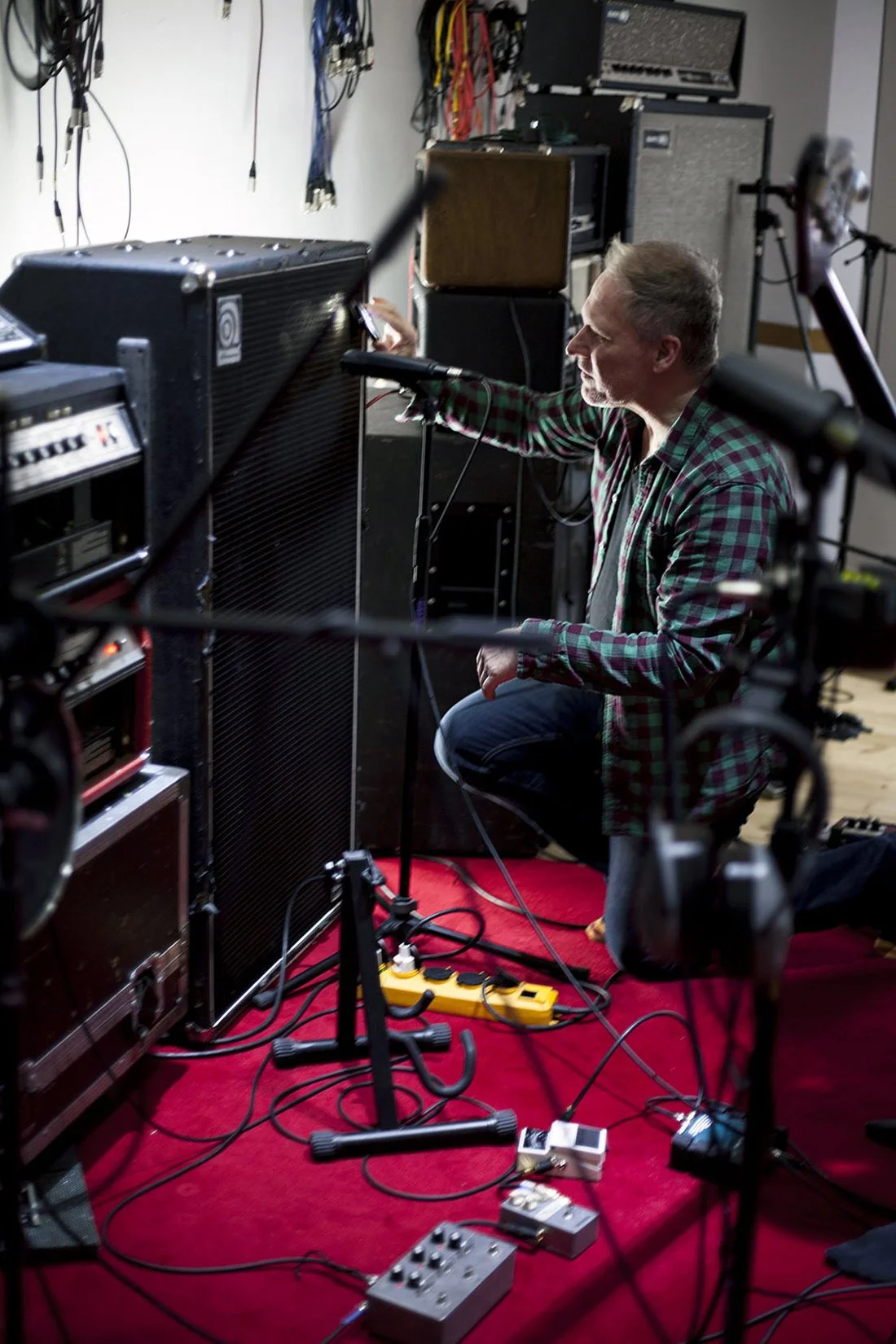

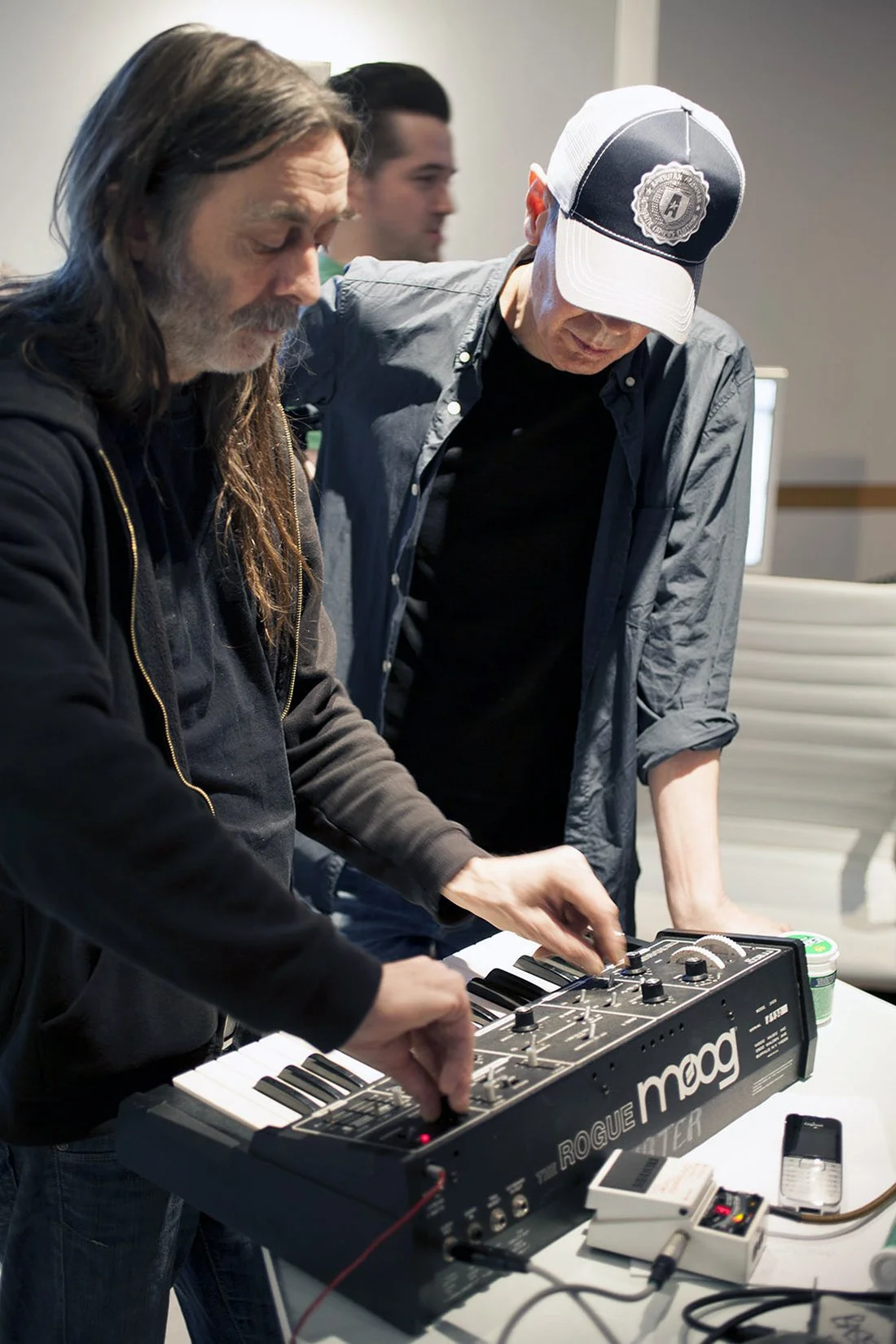
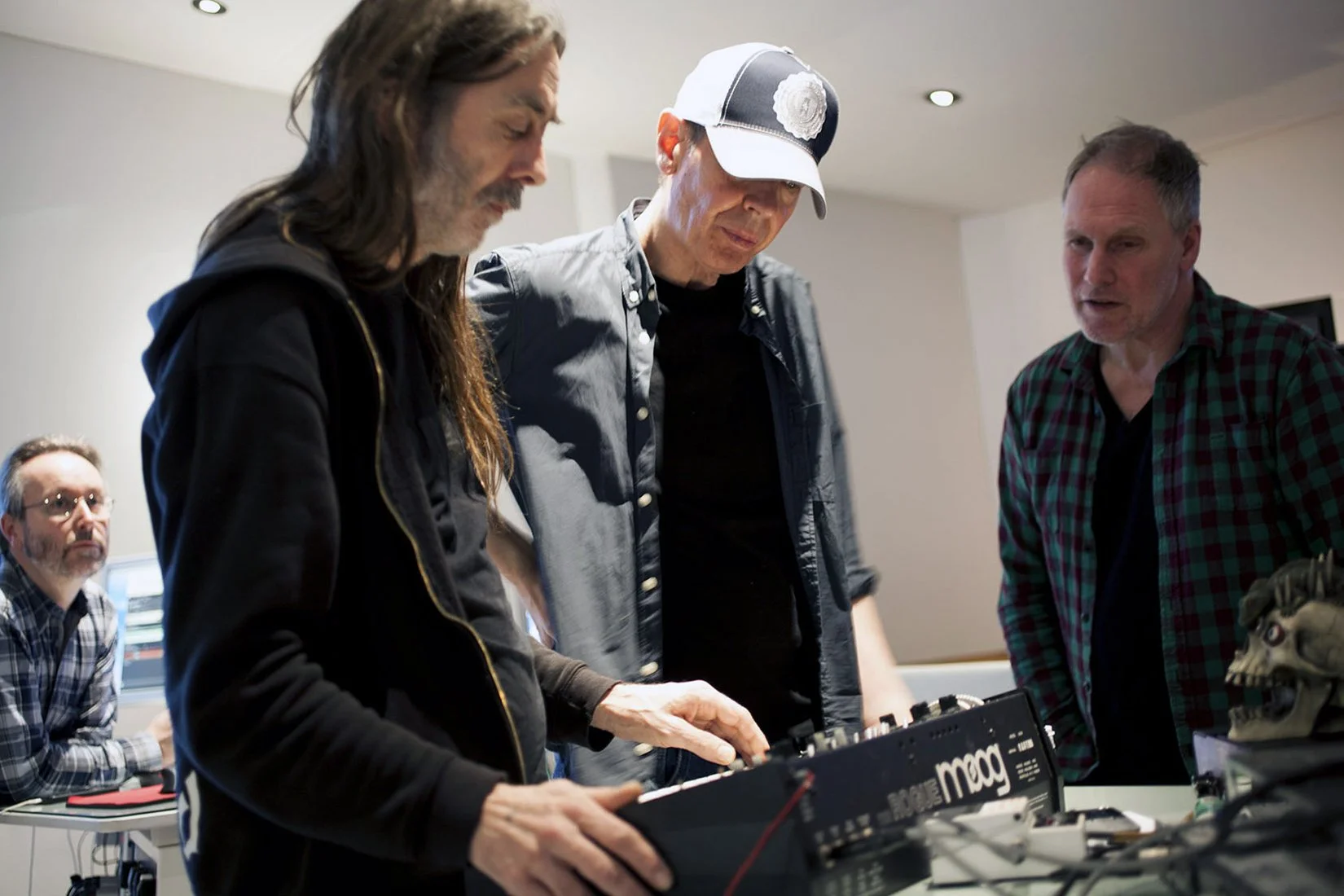
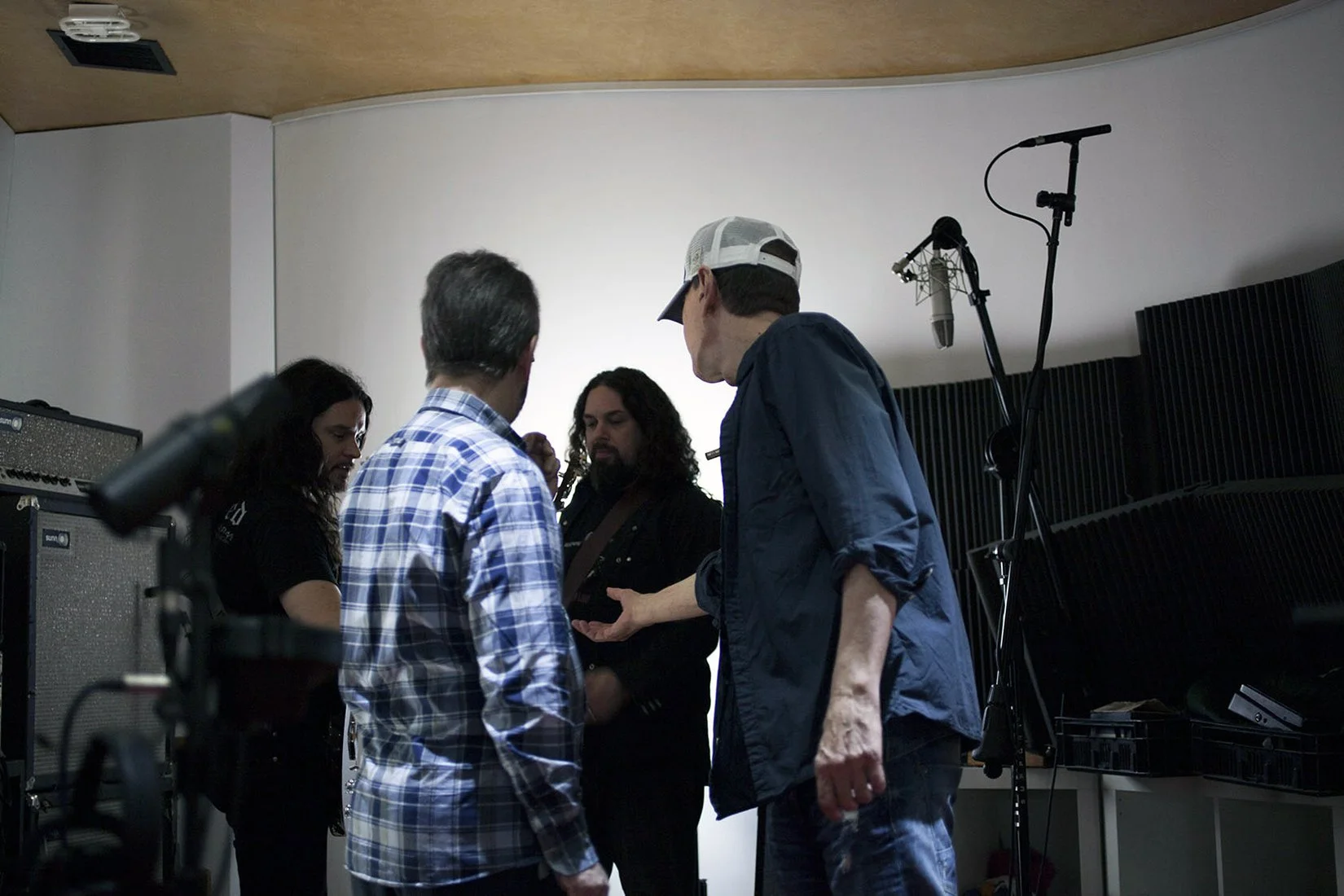
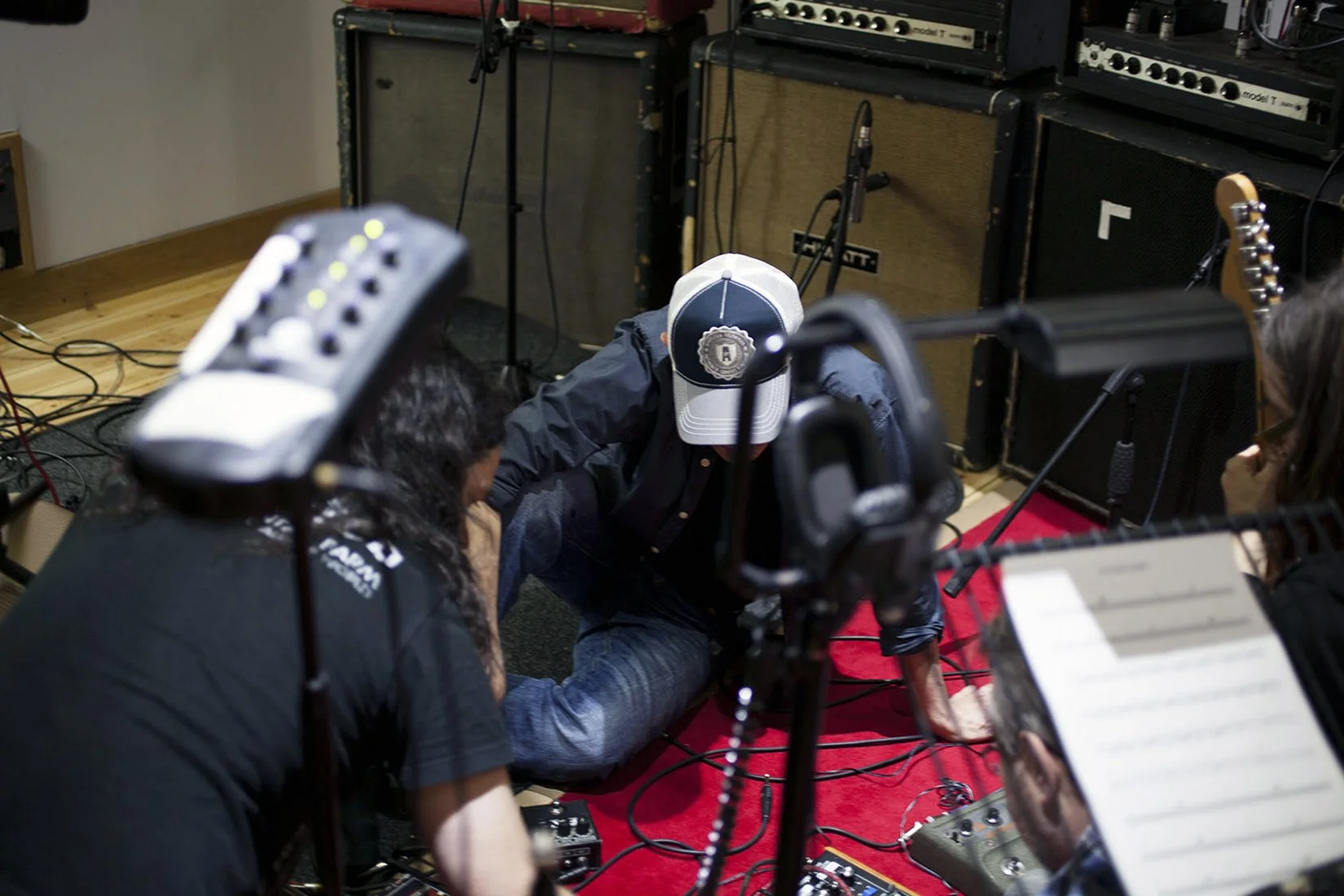
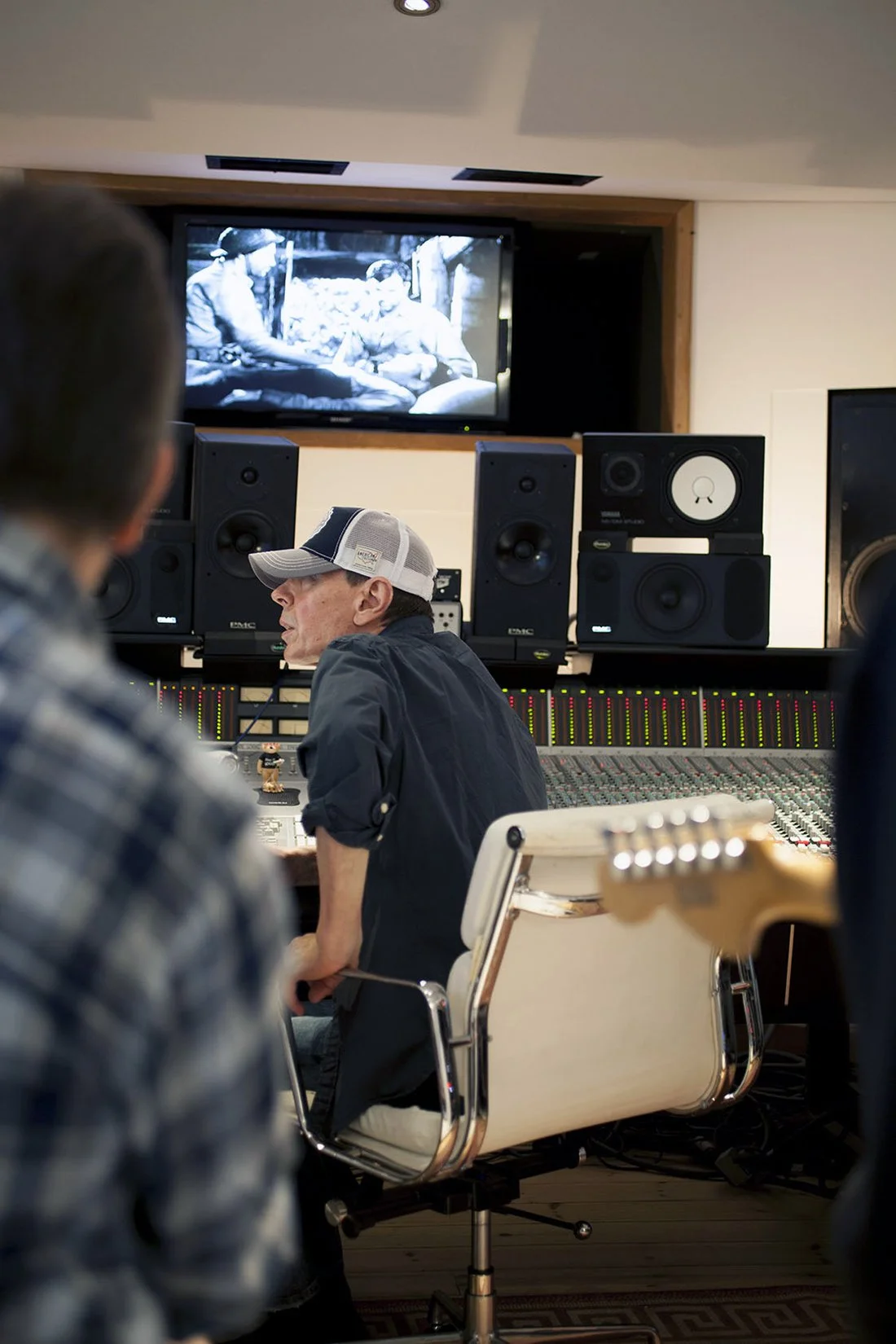
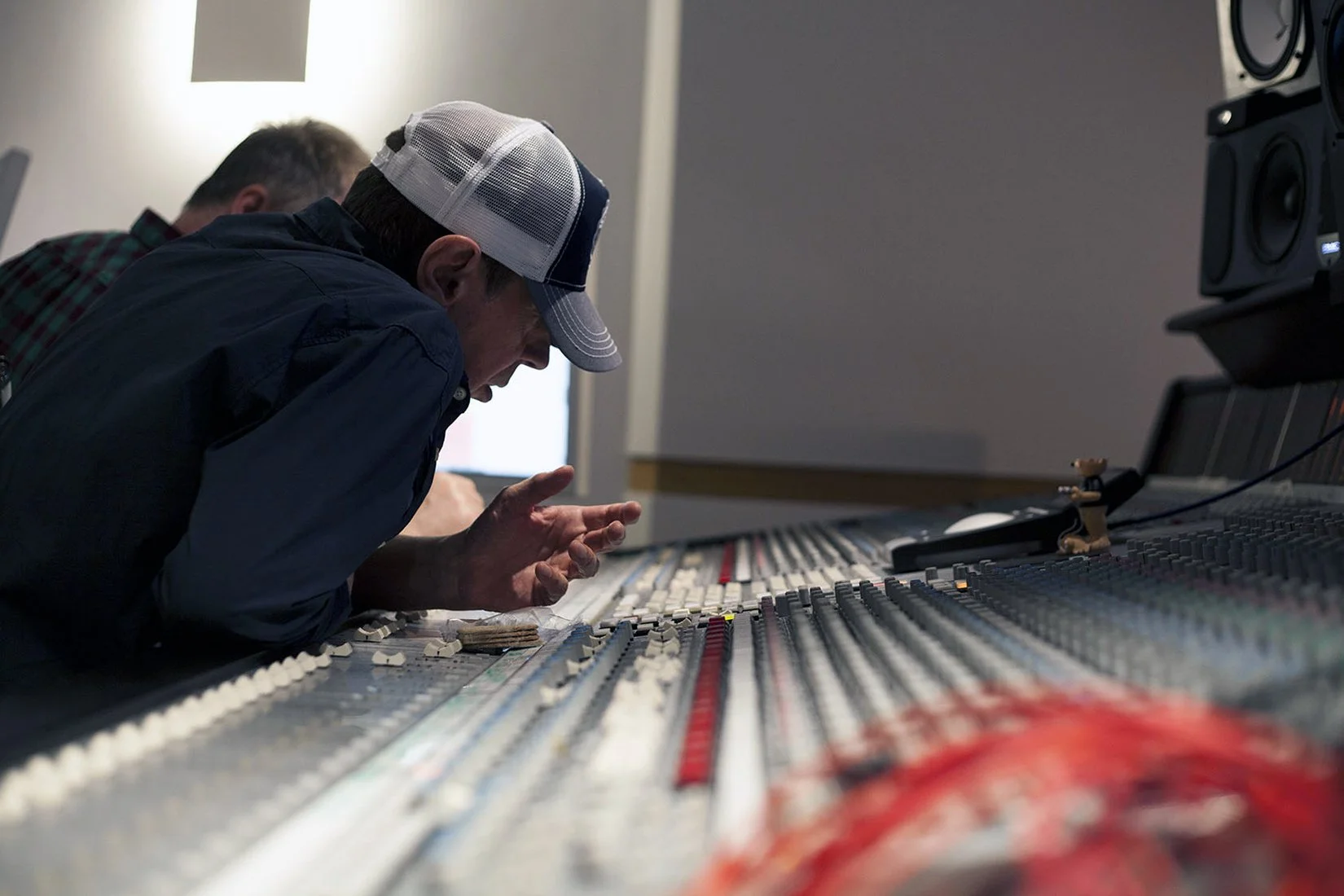
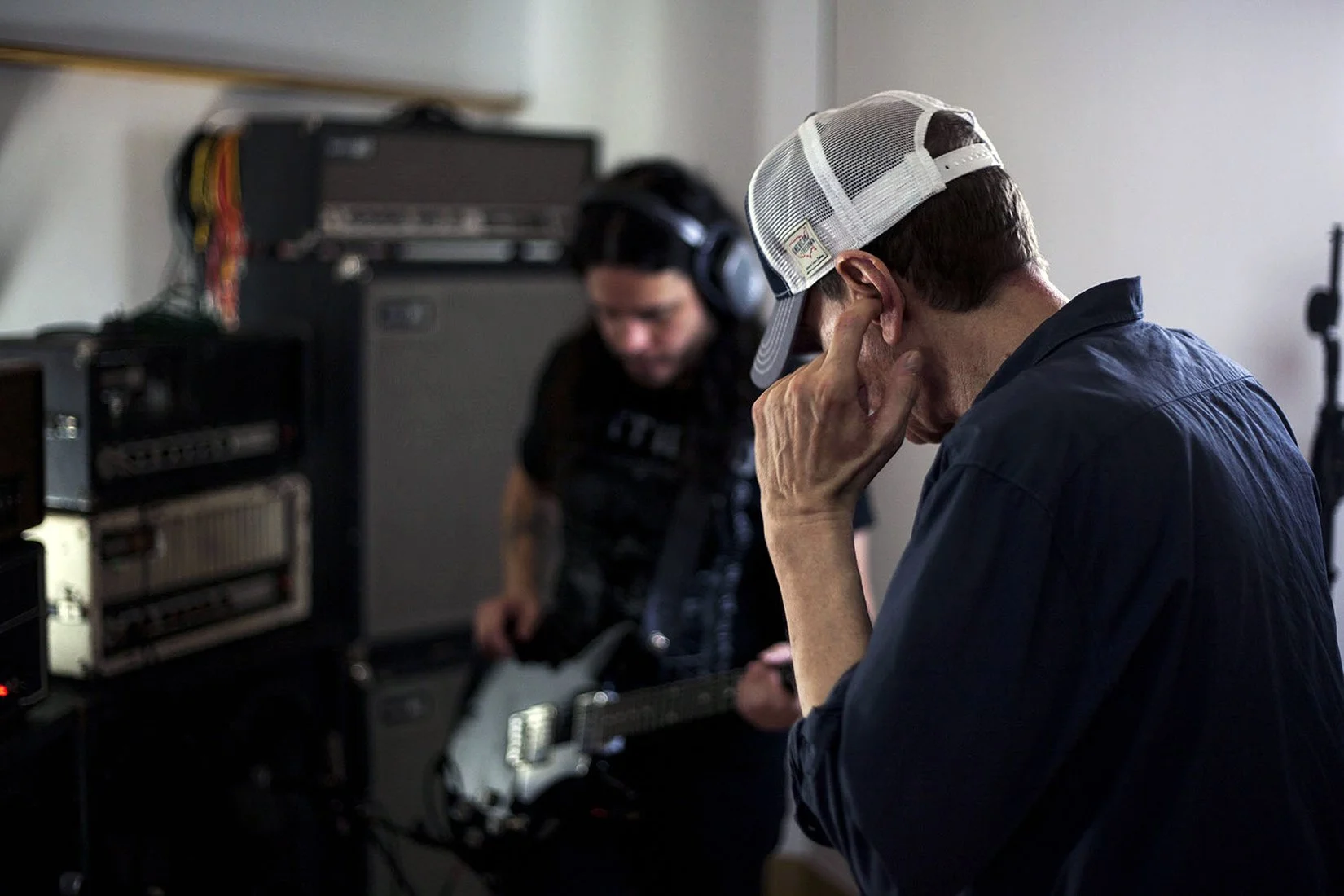
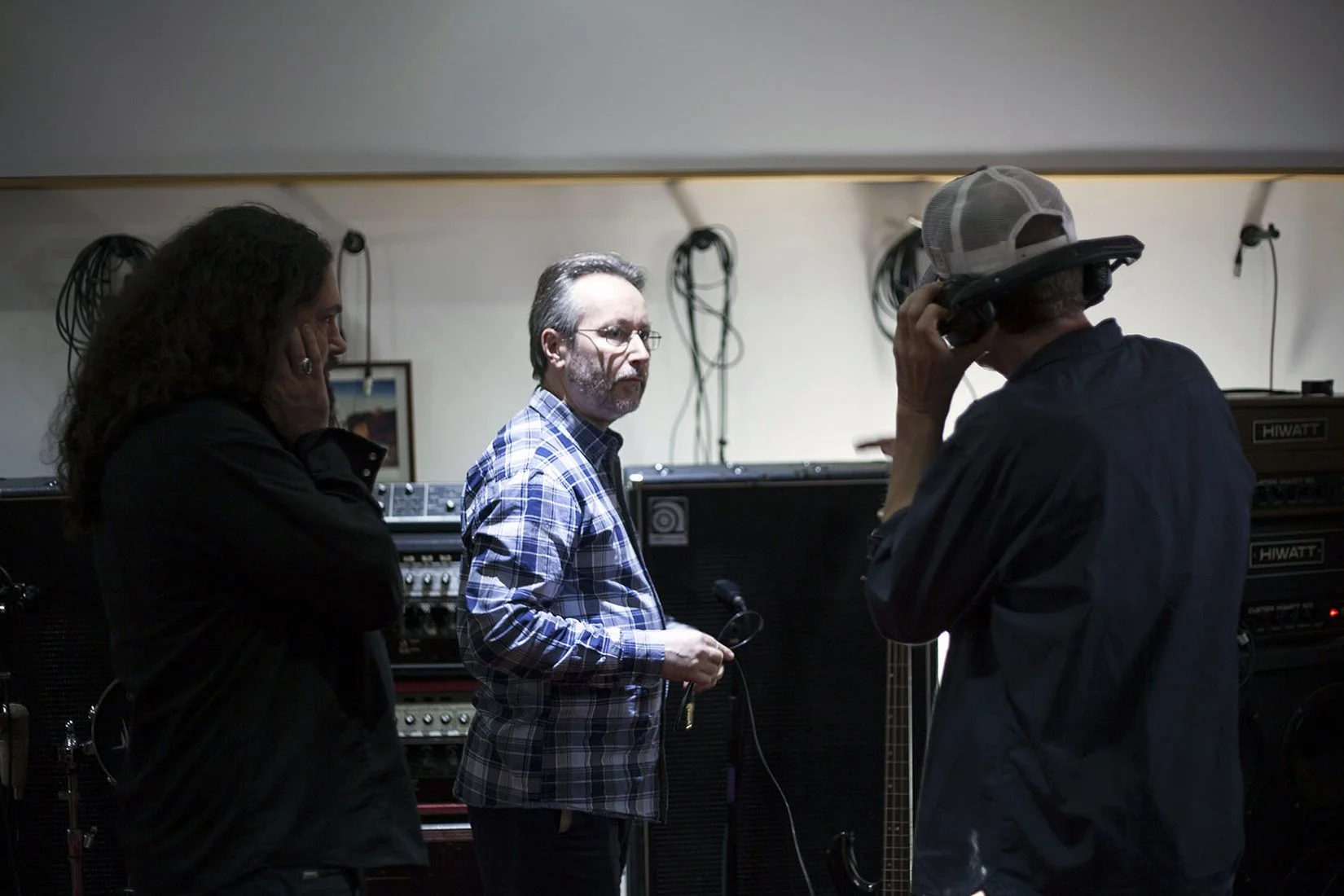
Photos by Philip Laslett
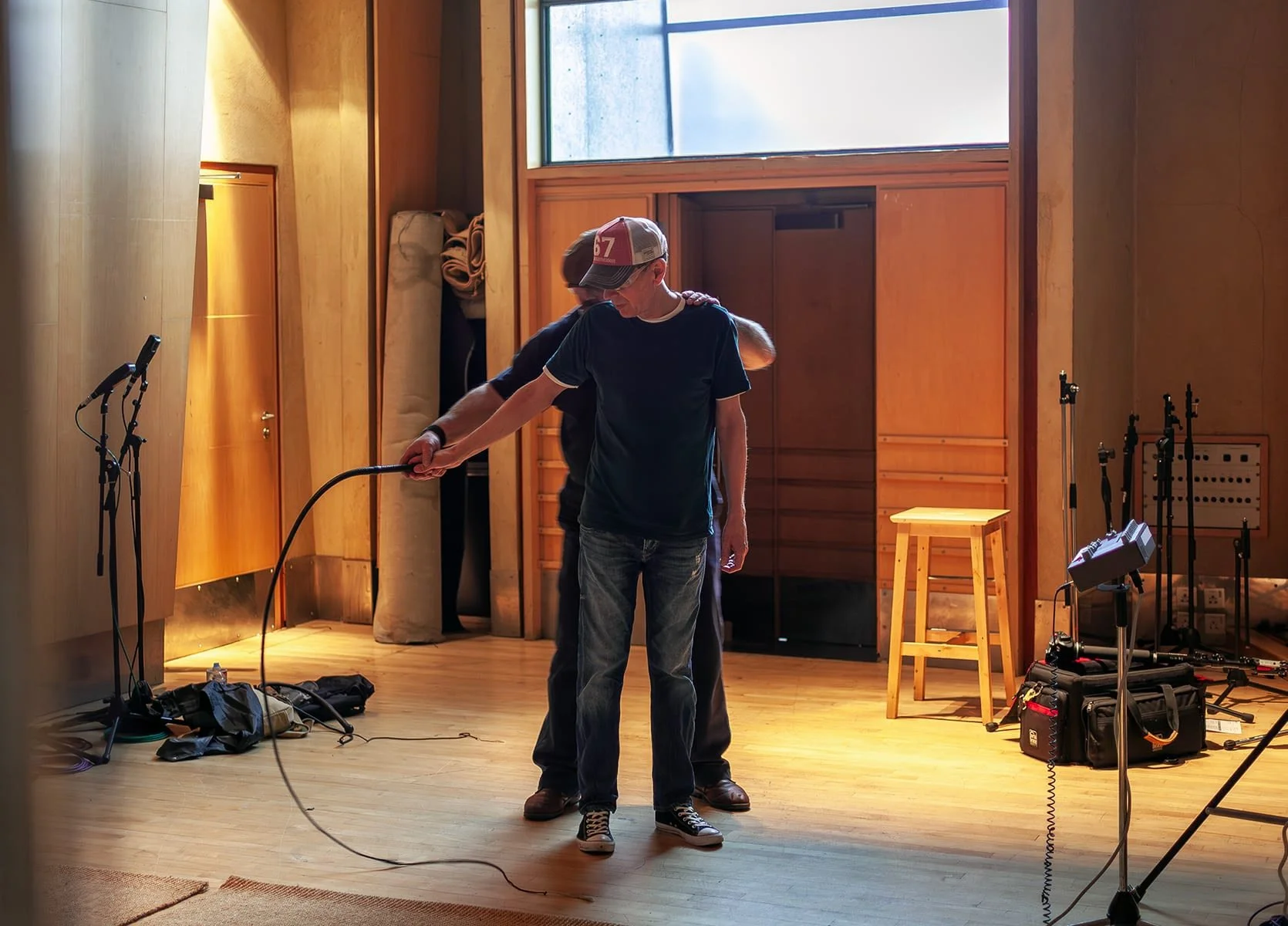
Metropolis Studios 2014. Photo by Philip Laslett