

Bish Bosch
Scott Walker
Released: December 3, 2012. Label: 4AD
Bish Bosch is Scott Walker’s fourteenth and final solo studio album. Walker’s longest album at 73 minutes, its nine tracks were composed in just over a year. Walker explained the meaning of its title to The Quietus’ John Doran in 2012: “I wanted the title to reflect the playful and chaotic nature of the album. In British slang, ‘bish bosh’ means ‘job done,’ but the title also references the artist Hieronymus Bosch, creating an image of a grand, universal female artist. This idea recurs throughout the album.”
Bish Bosch features the longest song in his catalogue, at just under 22 minutes: SDSS1416+13B (Zercon, A Flagpole Sitter) about a jester in the court of Attila The Hun moving through time and space, who becomes a brown dwarf planet. The title of See You Don’t Bump His Head refers to a line removed from the final cut of From Here To Eternity, when Montgomery Clift is directing soldiers to manoeuvre Frank Sinatra’s body into a car boot. Instruments on the album include marbles rolling around inside a metal dustbin lid, the blowing of a kudu horn by Michael Laird, and the sharpening of two machetes against one another, in time, played by percussionist Alasdair Malloy and Scott Walker. “We were trying to get a vertiginous feeling where the bottom drops out from under you, leaving you with nothing to hold onto for a lot of the time,” Walker said to John Doran of the album’s music. “The music we’re making is meant to be an aural version of the H.R. Giger drawings for Alien. It always sounds to me like those look.”
In October, Walker released a promotional video for Bish Bosch, filmed and produced by Iain Forsyth & Jane Pollard and featuring footage from the recording studio alongside excerpts from Tar, Dimple, See You Don’t Bump His Head and Epizootics!. A music video for Epizootics!, directed by Olivier Groulx, who would later work with Arcade Fire and Sigur Rós, was also released.
Produced by Walker and Peter Walsh, the album has cover design by Philip Laslett, painted words by Ben Farquharson and Photography by Davy Evans.
Bish Bosch spent one week in the UK top 100, reaching no. 95 in December 2012.
Track Listing
'See You Don’t Bump His Head' 4:06
Corps De Blah 10:11
Phrasing 4:45
SDSS1416+13B (Zercon, A Flagpole Sitter) 21:41
Epizootics! 9:40
Dimple 6:47
Tar 5:39
Pilgrim 2:26
The Day The 'Conducator' Died (An Xmas Song) 7:45
Credits
Produced by Scott Walker
Co-produced & Recorded by Peter Walsh
Mixed by Peter Walsh & Scott Walker
Musical Director: Mark Warman
Electronic Sound Treatments & Manipulation: Mark Warman & Peter Walsh
All songs written by Scott Walker
-
Produced by Scott Walker
Co-produced & Recorded by Peter Walsh
Mixed by Peter Walsh & Scott Walker
Musical Director: Mark Warman
Electronic Sound Treatments & Manipulation: Mark Warman & Peter Walsh
All songs written by Scott Walker
“SEE YOU DON'T BUMP HIS HEAD”
Hugh Burns Electric Guitar, Electric Baritone Guitar, EBow Guitar
James Stevenson Electric Baritone Guitar
Alasdair Malloy Percussion
Mark Warman / Peter Walsh - Drum Programming
Mark Warman Keyboards
Peter Walsh Keyboards FXCORPS DE BLAH
Ian Thomas Drums
John Giblin Bass
Hugh Burns Electric Guitar, Electric Baritone Guitar, Acoustic Guitar
James Stevenson Electric Guitar, Electric Baritone Guitar
Alasdair Malloy Percussion
Paul Willey Violin Harmonics
Mark Warman Keyboards
Peter Walsh Keyboards FXPHRASING
Ian Thomas Drums
John Giblin Bass
Hugh Burns Electric Guitar, Electric Baritone Guitar
Alasdair Malloy Percussion
Mark Warman Keyboards
Peter Walsh Keyboards FXSDSS1416+13B (Zercon,a Flagpole sitter)
Ian Thomas Drums
John Giblin Bass
Hugh Burns Electric Guitar, Electric Baritone Guitar, Acoustic Guitar, Dobro, EBow Guitar
James Stevenson Electric Guitar, Electric Baritone Guitar, Mando Guitar
Alasdair Malloy Percussion
Michael Laird Rams Horns (Kudu, Shofar)
Pete Long Tubax, Baritone Sax
Mark Warman Keyboards
Peter Walsh Keyboards FXEPIZOOTICS!
Ian Thomas Drums
John Giblin Bass
Hugh Burns Hawaiian Pedal Steel, Electric Guitar, Electric Baritone Guitar, Ukelele
BJ Cole Hawaiian Pedal Steel
Guy Barker Trumpet
Tom Rees-Roberts Trumpet
Pete Long Tubax, Baritone Sax
Alasdair Malloy Percssion
Mark Warman Keyboards, Hand Claps
Peter Walsh Keyboards FX, Finger Snaps
Andrew McDonnell Lo rumbles & white noiseDIMPLE
Ian Thomas Drums
John Giblin Bass
Hugh Burns Acoustic Guitar
Alasdair Malloy Percussion, Tuned Gongs
Mark Warman Keyboards, Tuned Gongs
Peter Walsh Keyboards FXTAR
Ian Thomas Drums
John Giblin Bass
Hugh Burns Electric Guitar, Electric Baritone Guitar, EBow Guitar
Pete Long Tubax
Alasdair Malloy Percussion, Machetes
Mark Warman Keyboards, Machetes
Peter Walsh Keyboards FXPILGRIM
Ian Thomas Drums
John Giblin Double Bass
Scott Walker KeyboardsTHE DAY THE "CONDUCATOR” DIED (An Xmas Song)
Scott Walker Percussion, Electric Guitar & KeyboardsORCHESTRA
Zercon, Dimple and Corps de Blah,
Andy Barnwell & Pete Harrison Musical Co-ordination Services Ltd Music Supervision/ContractorMark Warman Conductor and Orchestrator
1st VIOLINS
Paul Willey (Leader)
Boguslaw Kostecki
Jonathan Rees
Laura Melhuish
Dave Ogden
Julian Trafford
Abigail Young
Ruth Ehrlich
Ann Morfee
Dave Smith2nd VIOLINS
Steve Morris (Principal)
Tom Pigott-Smith
Charlie Brown
Elizabet Wexler
Sebastian Rudnicki
Nikki Gleed
Steve Bentley-Klein
Brian Wright
Clive Dobbins
Paddy RobertsCELLI
Frank Schaefer (Principal)
Justin Pearson
Chris Fish
Joely Koos
Nerys Richards
Dom Pecheur
Tamsy Kayner Vicky MetthewsDOUBLE BASSES
Enno Senft (Principal)
Chris West
Clare Tyack
Steve Rossell
Stacey Watton
Alice Kent
Stephen Warner (Zercon only)
Lucy Hare (Zercon only)STUDIOS
Kore Studios, London
Thanks to George Apsion, Tariq Al-NasrawiKHS Studios Dusseldorf
Session preparation, pre-mixing, Protools editingANALOG RECORDING & MIXING
Sofasound Studio, London
Assistant, Scott Knapper
Vocals and Mixing
Thanks to Siobhan Paine and Betty Thorpe, Miloco
Thanks to Greg Walsh for Neumann microphoneMetropolis Studios, London
Assistants: Xavier Stephenson, Liam Nolan, Angie Teo & Paul Norris
Analog Technical Support: Simon Saywood, Nick Wrathe
Thanks to Katy Samwell & Jed KellettAir Studios, The Hall, London
Orchestra
Recorded by: Geoff Foster
Assistants: Adam Miller, John Prestage
Thanks to: Alison BurtonMASTERING
Abbey Road Studios, London
Steve Rooke, Alex Wharton & Peter WalshDesign: Philip Laslett
Painted words: Ben Farquharson
Photography: Davy EvansThanks to Ed Horrox, Simon Halliday, Jane Abernethy, Rich Walker
Jane Pollard & everyone at 4AD
Bish Bosch Press Release
Rob Young, September 2012.
Bish (n. sl.), bitch
Bosch, Hieronymous (c. 1450–1516), Dutch painter
Bish bosh (sl.), job done, sorted
“I was thinking about making the title refer to a mythological, all-encompassing, giant woman artist.” Scott Walker
A Hieronymous Bosch painting can’t be apprehended in a single blink of an eye. The Garden of Earthly Delights is made up of panels in parallel, with scores of tiny actions and allegorical representations teeming in every square inch of canvas. The painting is big enough to encompass heaven and hell.
Perhaps we should listen to Scott’s music in the same way we’d approach a Bosch canvas. You probably won’t understand it after one viewing, but you can become obsessed with one corner detail another until you eventually come to some understanding of how the different parts fit together and complement each other.
“It’s moving on a bit each time we go. Hopefully it’s getting nearer and nearer the kind of thing that’s in our heads. Little things are improving, a bit more focused. The style is improving.”
Since the 1960s, Scott Walker has scaled the heights of pop superstardom, produced some of the most revered solo albums of the late sixties, coasted on his laurels during the seventies, then metamorphosed into something very different. The music he has been making at his own pace since the early eighties might be utterly estranged from the songs that made him a household name, but they stem from the privacy he requires to write this complex and hugely inventive music.
Bish Bosch is the latest in Scott’s discography to pursue the line of enquiry he began back in 1978, with his four devastatingly original songs on the Walker Brothers’ swansong, Nite Flights, and continuing through Climate of Hunter (1984), Tilt (1995),
The Drift (2006). He has continued to mature and develop in a late style utterly at odds with the music that made him a superstar, a lifetime ago, but which is totally honest, uncompromising and transcendent.
Scott began writing his new material around 2009, and recorded it sporadically over the following three years, while he was also involved in composing a work for the ROH2 ballet Duet for One Voice, chorographed by Aletta Collins. Unsurprisingly for a long-term exile from his native America, Bish Bosch is a great melting pot of clamouring voices and languages, swift scene-changes (the album’s geographic reach covers Denmark, the Alps, Hawaii, the ancient landscapes of Scythia, Greece and Rome, and Romania), time-travelling jump-cuts, and metaphors from medical science and molecular biology that seize you by the throat.
If The Drift was a dark place, full of scorching orchestral textures and ominous rumblings, Bish Bosch is a tauter but more colourful experience, with greater emphasis on processed, abrasive guitars, digital keyboards and thick silences. Scott’s regular producer Peter Walsh, and his regular core of musicians, Ian Thomas (drums), Hugh Burns and James Stevenson (guitars), Alasdair Malloy (percussion) and John Giblin (bass). Guests include trumpeter Guy Barker and pedal steel guitarist BJ Cole, who worked on three of Scott’s mid-seventies LPs. Musical director Mark Warman plays a prominent role, both as conductor and keyboardist. “If I use the big orchestra I’m using it for noises or textures, or big pillars of sound, rather than arrangements,” Walker explains, adding that the sonic richness was achieved by means of a novel recording technique. “What we did was record the drums, bass, percussion, strings and vocals in digital and analogue simultaneously. Because we knew there were a lot of silences in it, especially in something like ‘Zercon’.
And in the endings – the ending of ‘Tar’, where you don’t know what’s going on. So in those spots we just cut off the analogue, and where we had the silences we just used the digital. And then we turned on the analogue again when everyone was playing together. Everything was recorded that way, so it’s about eighty per cent analogue.”
Unlike so many veteran artists whose career hits a plateau, Scott refuses any nostalgia for his earlier achievements. For Scott, there’s never any looking back, and that determination to keep pushing forward, testing his limits (and those of his select band of musicians and collaborators) has resulted in some of the most visceral, inventive and electrifying music of the twenty-first century. It’s about pushing past the limits of what’s expected. It’s about refusing the assured standing ovations of the ‘retread your classic album’ scene, and striking out into consistently difficult terrain. It’s about escaping the tar-pit of your own past. Don’t look back.
How to approach a record like Bish Bosch?
Scott insists none of his work is in any way autobiographical. So you are compelled to re-think the way you experience music to get the most out of these pieces. Instead it’s more like a form of sonic fiction (magic realism, cut-up, sci-fi and historical reinvention all rolled up into distinct packages). There are frequently two, three or more ideas packed into each song: scenarios that seem distinct at first but whose connections are subtly revealed. The lyrics process a mass of data, set to music that often veers into filmic sound effects and Foley artistry.
Songs leap across giant historical chasms or reach for the outer limits of space. A single number can contain references to molecular biology and sulphurous farts; quotes from the Bible and Hollywood film directors; medieval leather shoes and Algonquin chiefs. They unashamedly revel in unfamiliar words, technical terminology and obscure references, so keep a dictionary handy and bookmark Wikipedia. It’s all part of the fun.
For an example of Scott’s unorthodox songwriting techniques, take the album’s centrepiece, the twenty minute ‘SDSS1416 + 13B (Zercon, A Flagpole Sitter)’. The title contains two brown dwarves: one, the coldest sub-stellar body in the universe discovered so far; the other, Zercon, was a real-life Moorish jester at the fifth century court of Attila the Hun.
“I was interested in this thing about someone trying to escape his situation – in this case Attila’s wooden palace, which he regards as an immense toilet – and achieve a kind of spiritual sovereignty, and a height beyond calculation. As the song moves forward he imagines himself at different stages of height: he imagines first that he escapes and finds himself surrounded by eagles; then there’s the mention of St Simon on his pillar; then he jumps to 1930s America where it’s become a flagpole sitter…’ Flagpole-sitting – trying to spend several days alone on a platform at the top of a pole – achieved a brief craze status in the 30s.
At the end of the song he eventually becomes a Brown Dwarf, known as SDSS1416. As with the majority of my songs, it ends in failure, Like a brown dwarf, he freezes to death.”
It’s not the only song that ends in death on Bish Bosch. ‘The Day The ‘Conducator’ Died’ is a charming little yuletide song (with sleigh bells that take on an increasingly sinister aspect as the song progresses) that juxtaposes a personality profiling questionnaire with the execution of a hated dictator. Romanian president Nicolae Ceausescu and his wife Elena were executed without trial on 25 December 1989. None of the firing squad waited for the command to ‘fire’ before pulling the trigger.
“I’m fascinated by dictators,” says Scott, recalling that The Drift also included a song about the death of Mussolini (he was even singing about Joseph Stalin on ‘The Old Man’s Back Again’, on 1969’s Scott 4). Violence appears in other ways: in ‘Pilgrim’, for instance, a song that compares vivisectionists to kids who delight in torturing frogs. “I’m not particularly fascinated by brutality – I mean, at times I’ll use it on a comic level, or it’ll be angry, but I’m never striving for it – it just happens. I don’t know why – that’s for an analyst!”
Across the album, there are cameos and fleeting glimpses of powerful historical figures, many with blood on their hands: Donald Rumsfeld, the Ku Klux Klan, Attila the Hun, Ronald Reagan and Mikhail Gorbachev, Pope Julius II, and the ‘Conducator’, a title used by both Ceausescu and his predecessor King Carol II. Sterzing, the Tyrolean village mentioned in ‘Corps De Blah’, was notorious as a bolthole for Nazi war criminals in the aftermath of the Second World War.
At the same time, Scott takes a delight in crude humour, and the album is awash with insults and sardonic put-downs, slapstick, body parts and bad smells (check the tight sphinctered emissions of ‘Corps De Blah’). There’s plenty of rough and tumble and visceral argy-bargy, too. ‘Epizootics!’ (as well as recalling 1940s hipster slang, the word means an unusually high rate of new infections within an epidemic – appropriately for a man who once had a hit with a song called ‘The Plague’, Scott’s music has often touched on disease) soundtracks its descriptions of sweaty street hassle with swinging, strident percussion and the raucous subtones of the rare brass instrument, the tubax, played by Pete Long. “It’s a combination of a tuba and a saxophone,” explains Scott, “and there’s only two in the country. It’s a monster thing, you actually have to sit on the floor, it’s enormous. But it means you can get below the bass, very very deep.”
All of which shows the efforts Scott and his team have gone to invent sounds appropriate to these songs’ unique atmospheres. ‘Zercon’ features ramshorns, among them the kudu shofar, a monstrous natural instrument used in ancient times. On ‘Tar’, an argumentative piece which deals with ‘contradictions in the Bible’, Alasdair Malloy & Mark Warman brandish some swishing machetes – four-foot blades which Scott was nearly banned from bringing into the studio. ‘Corps De Blah’ includes percussionist Alasdair Malloy chipping away with a chisel. These are songs in which every sound signifies, because it’s so intimately bound up in the words. “There is always meaning for me there; I don’t write haphazardly. I’m pretty sure everything is right and balanced, as far as I can get it. I won’t throw anything in that shouldn’t be there.”
So the foreign language in ‘Dimple’ turns out to be Danish, a reminder that Scott himself lived in Copenhagen for a while in the early seventies. “I read somewhere no matter how much your face descends with age, the dimple remains in the same place. In this case I’m using it as a metaphor for a constant presence, and building a kind of mythological face throughout the first part of the song.”
“I’ve always thought since the late 70’s, “This is my last record.” Every single record has been that way… I guess I just pull the trigger each time.” Scott Walker
Scott’s music may have changed irrevocably over the past five decades, but his unmistakable, magnificent voice, and his dogged refusal to choose the easy, popular artistic path, remain a constant presence in everything he does. How does Scott characterise his world view these days?
“I’m a pessimist, in that I know it’s not going to end well,” he says, with a laugh. “But most of my songs are spiritual at the core. I try not to be too cynical about things, because it’s too difficult otherwise. You have to be able to work your way through it – you have to be able to see what’s there, and deal with it.”
Bish Bosch is big enough to contain heaven and hell.
![Bish-Bosch-[c14]-OPZ.jpg](https://images.squarespace-cdn.com/content/v1/660151ce2d4ea8252177ebfd/1758536450233-IKM0EXYCYLW6OGL1R1XK/Bish-Bosch-%5Bc14%5D-OPZ.jpg)
![Bish-Bosch-[c15]-OPZ.jpg](https://images.squarespace-cdn.com/content/v1/660151ce2d4ea8252177ebfd/1758536450232-YZFS3LTSVSD97DMBCIK5/Bish-Bosch-%5Bc15%5D-OPZ.jpg)
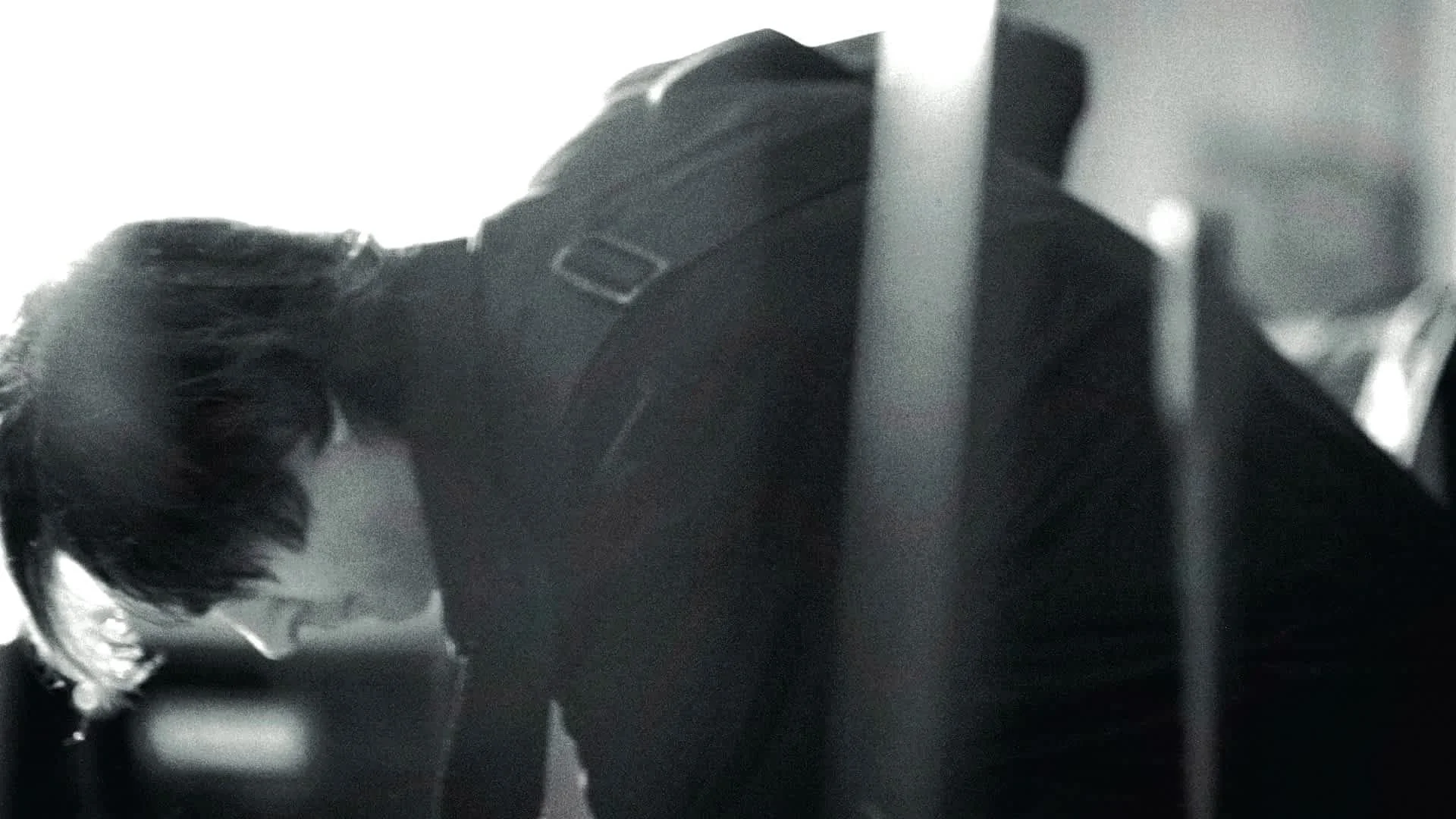
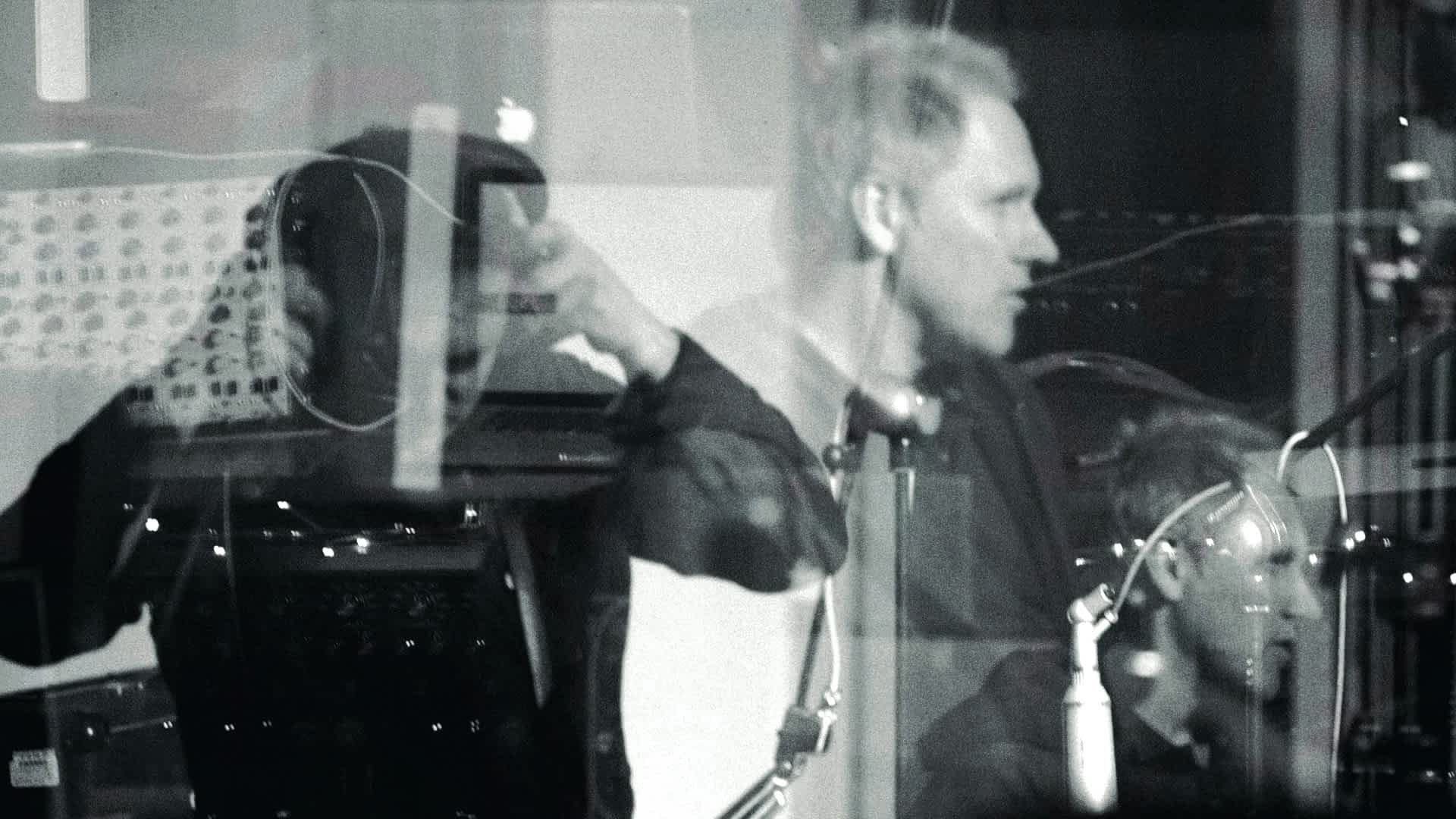
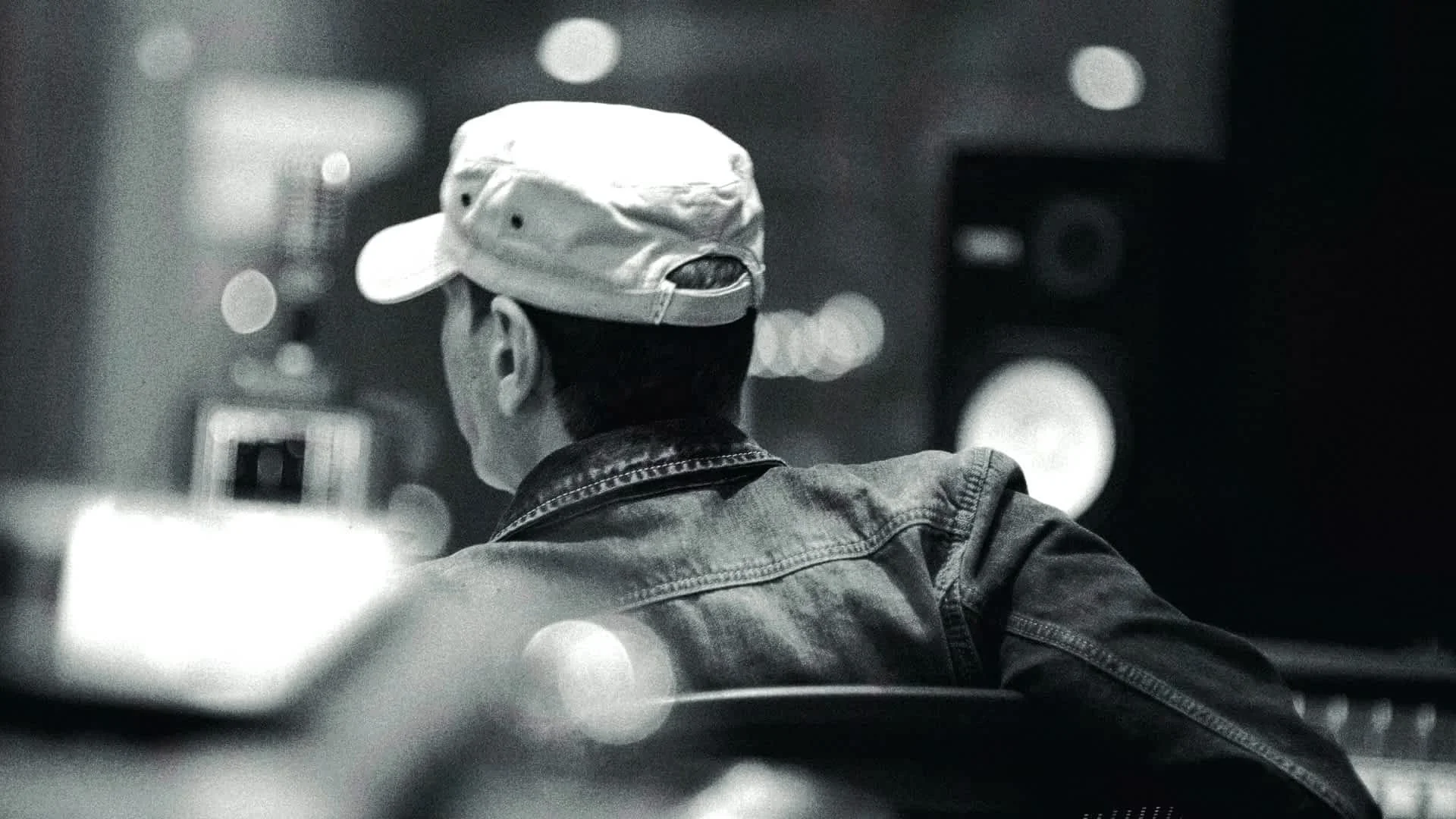
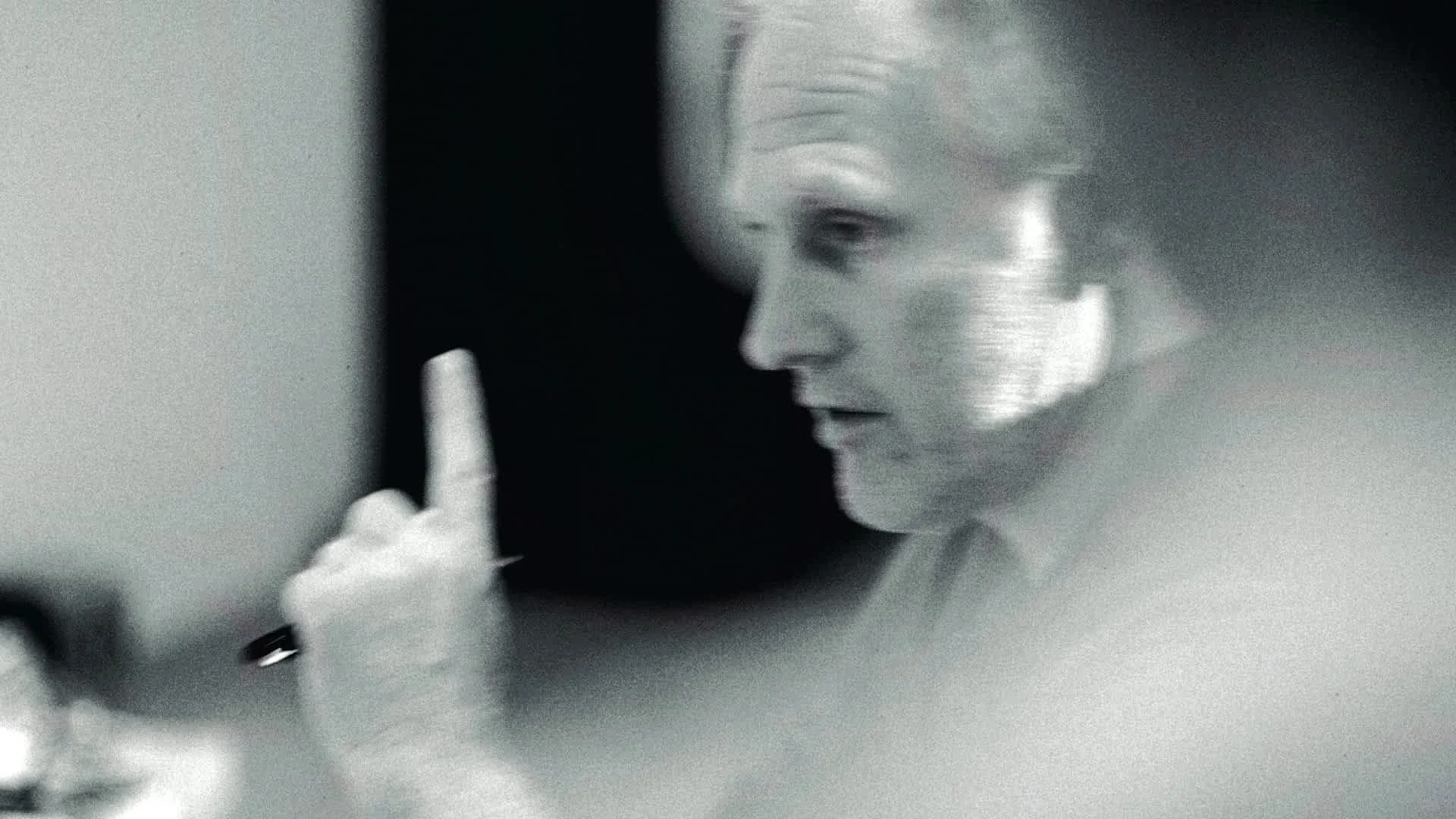
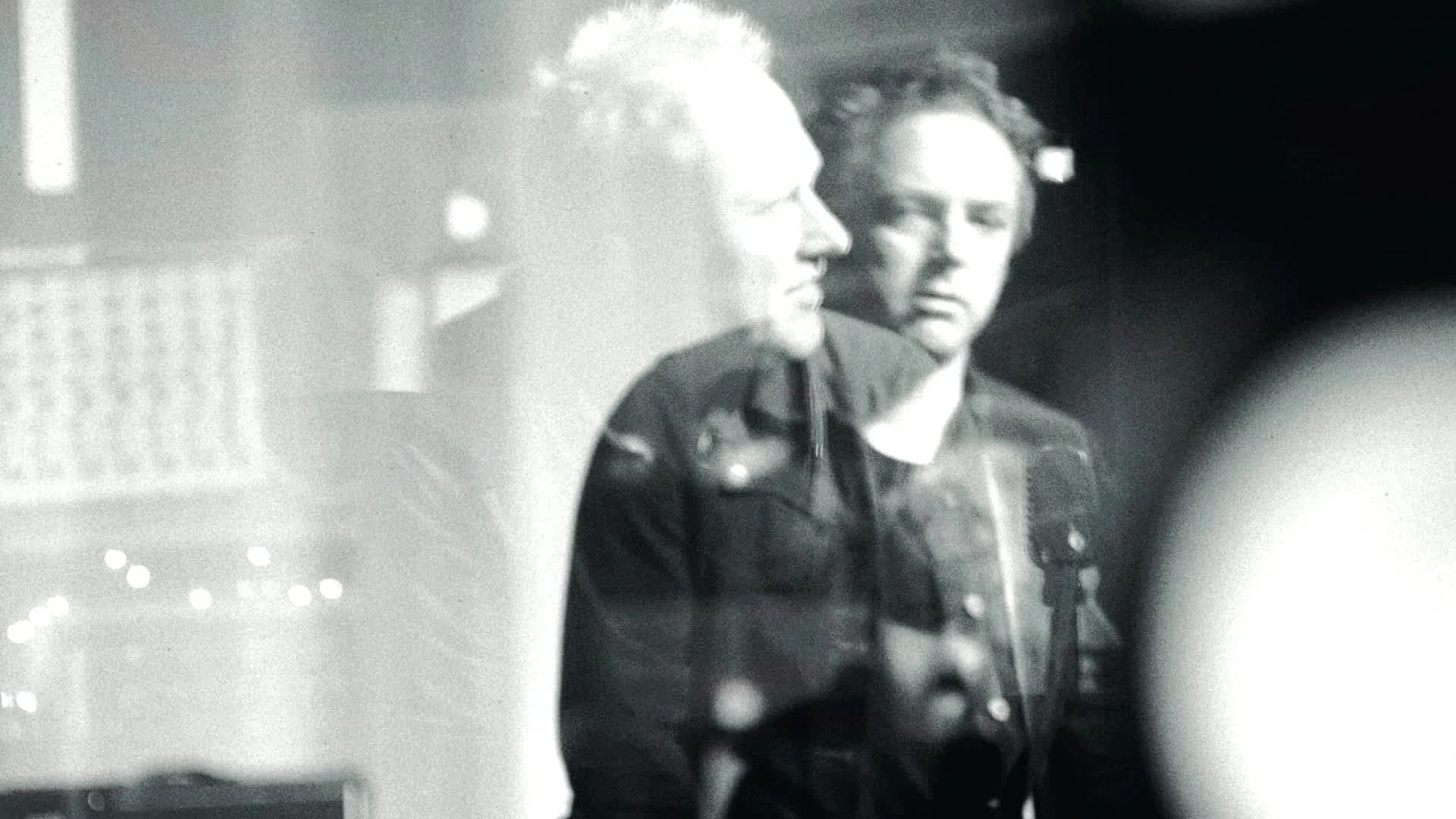
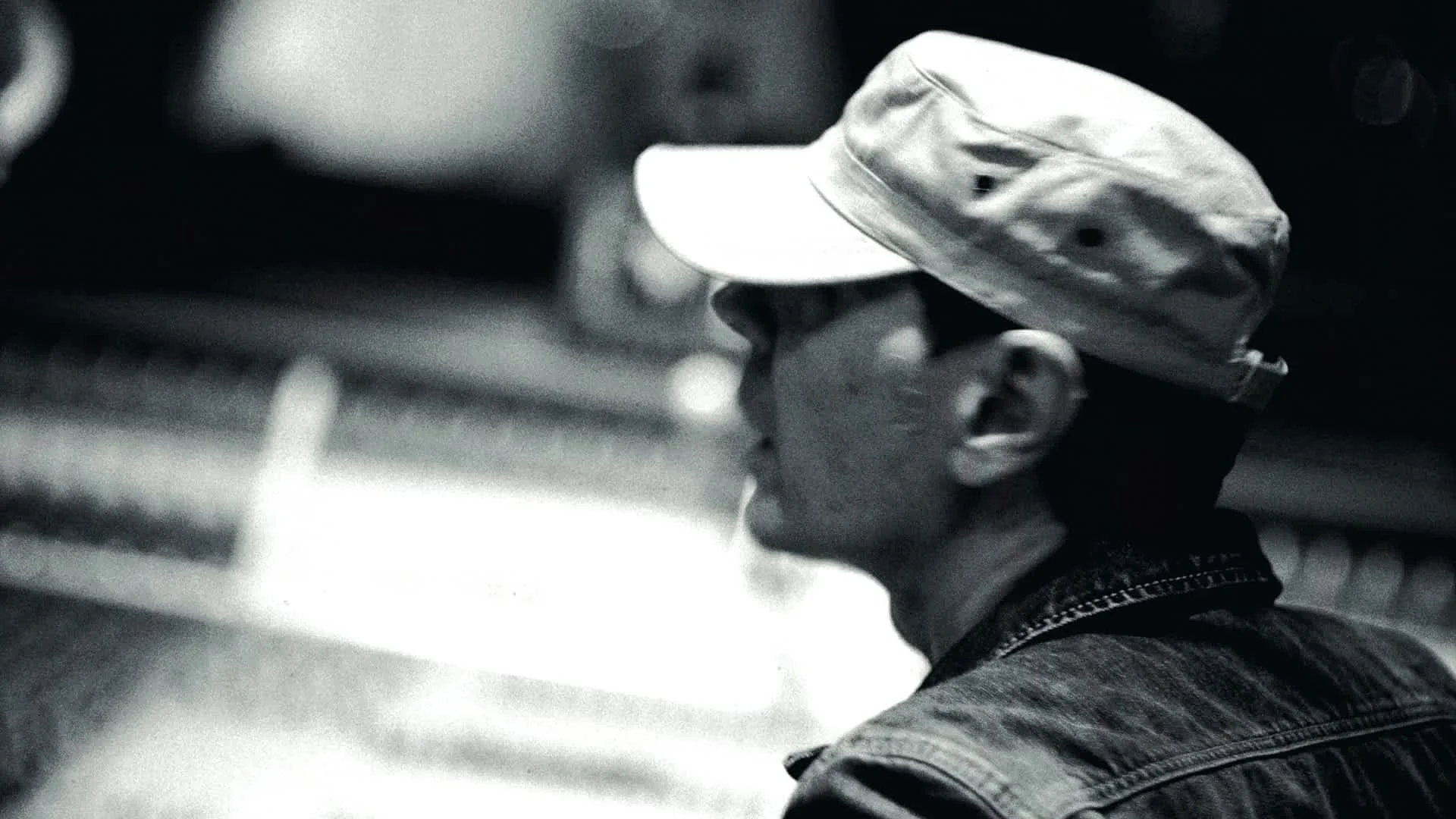
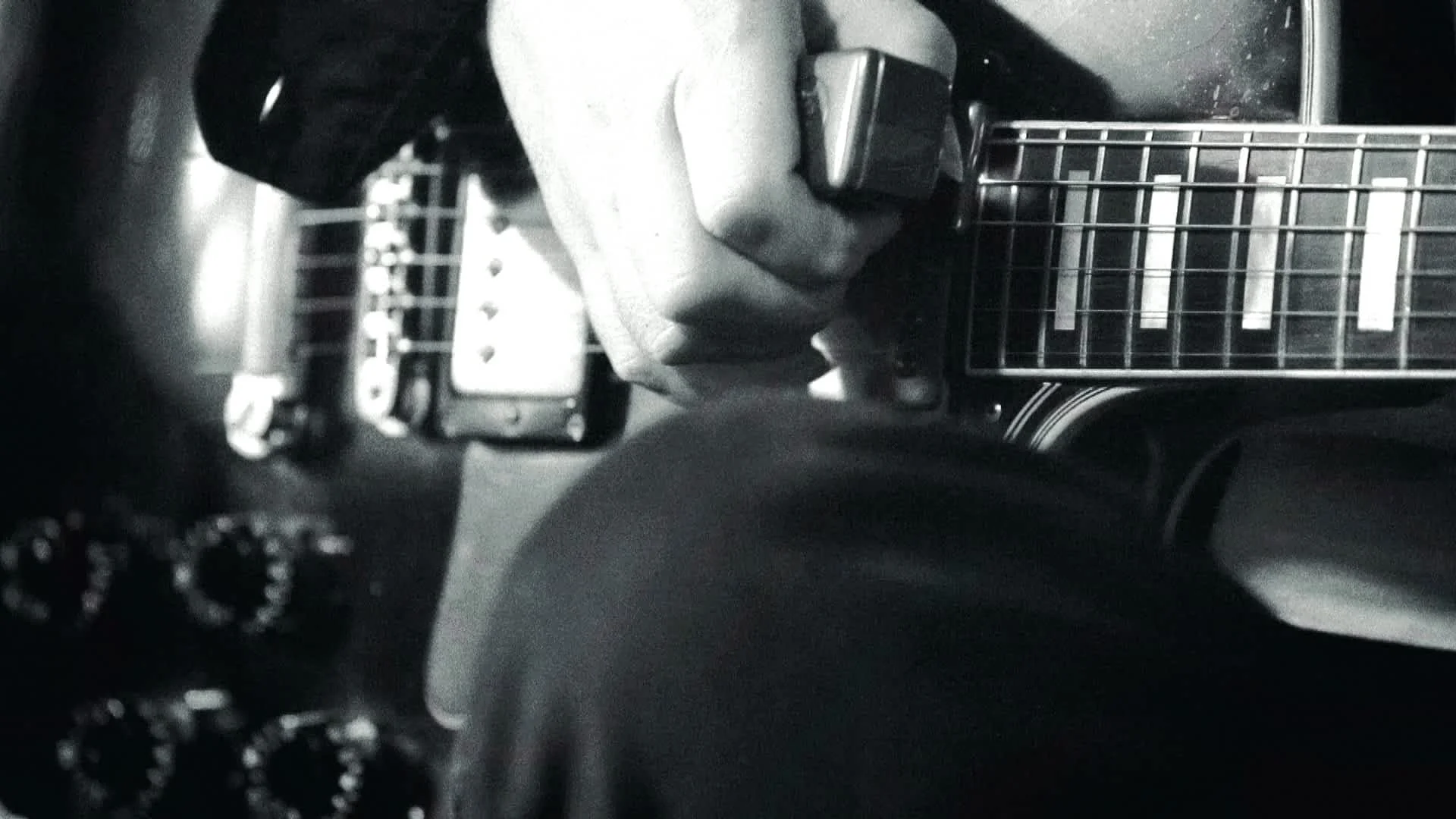
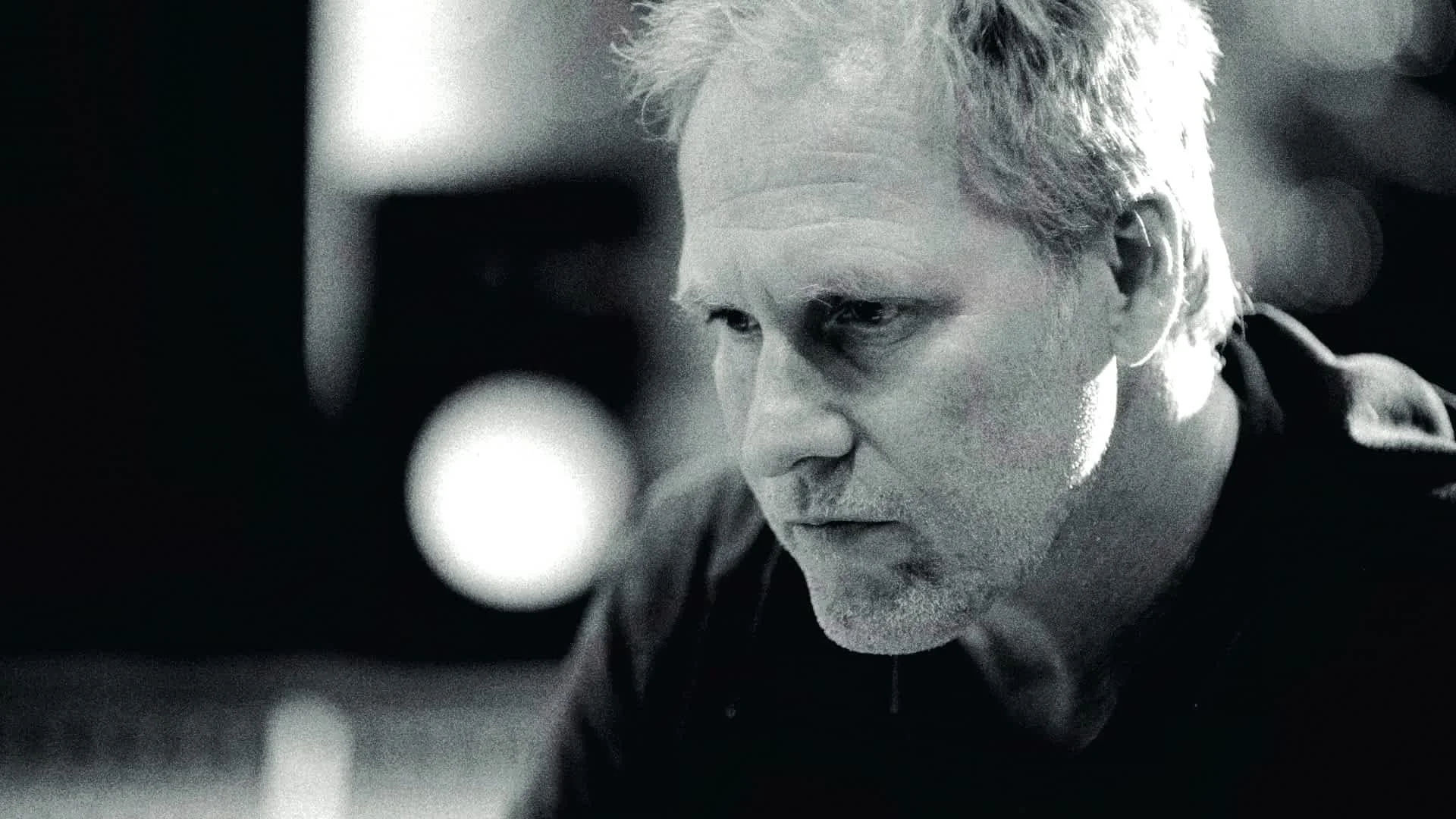
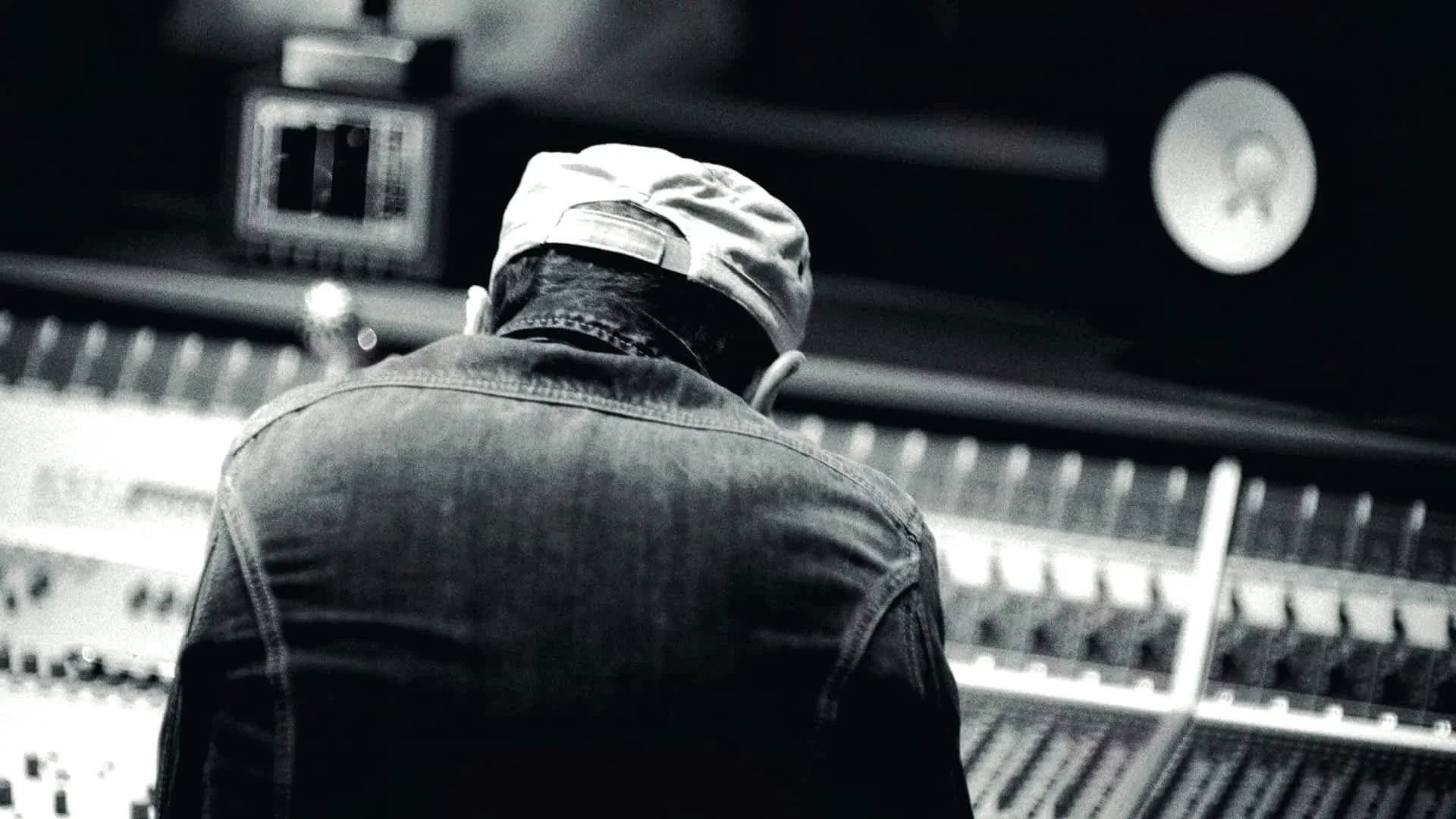
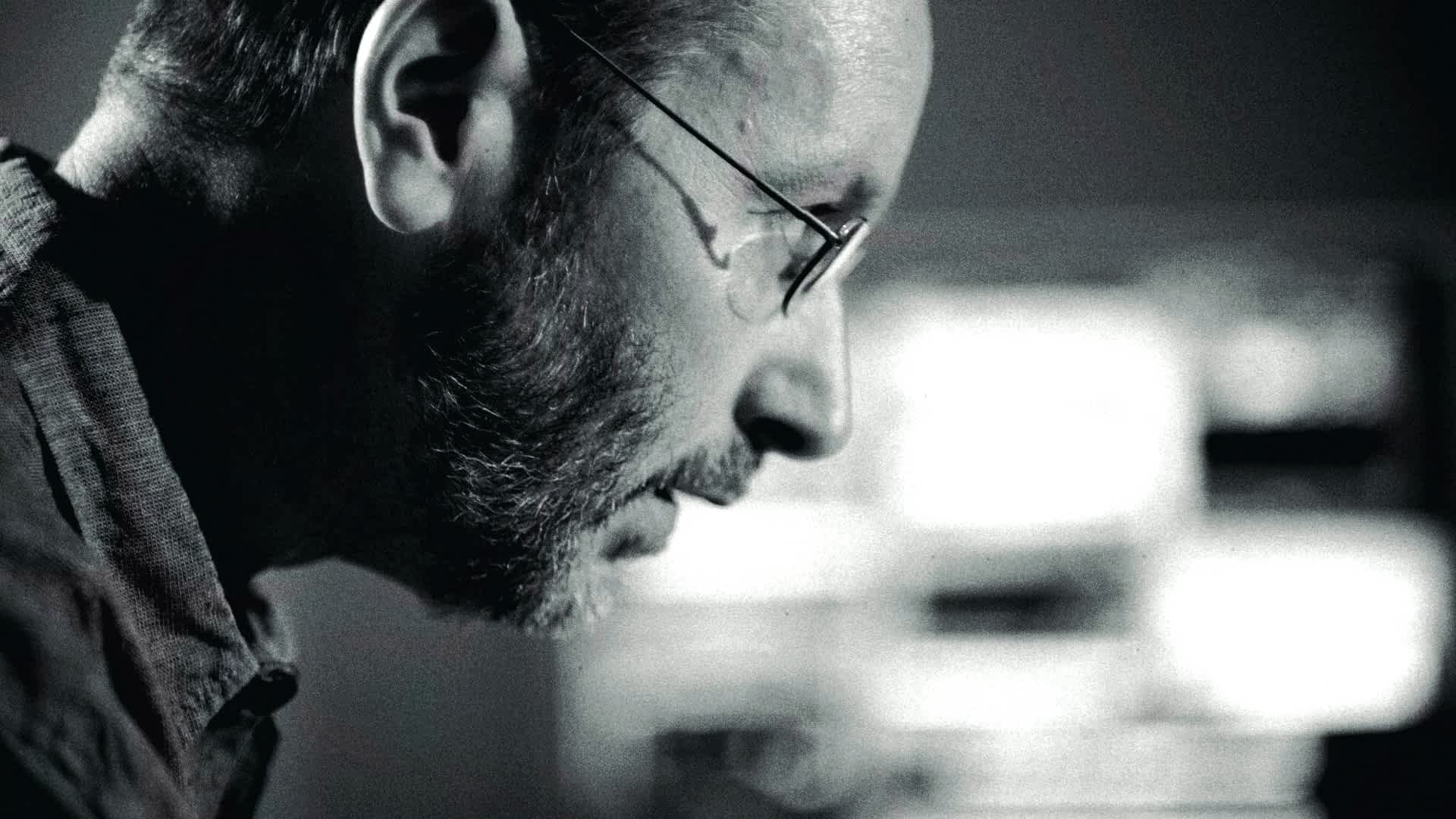
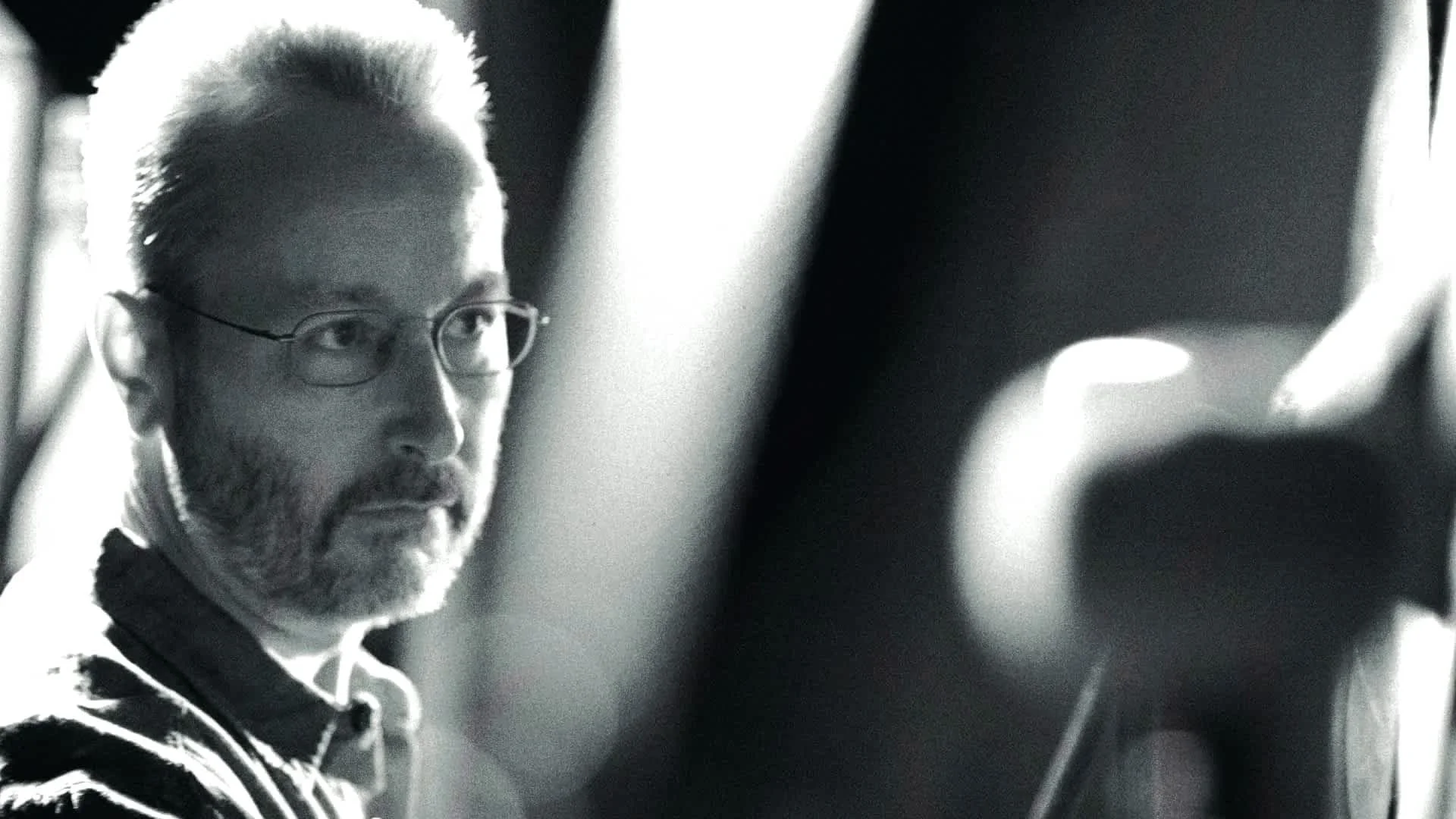
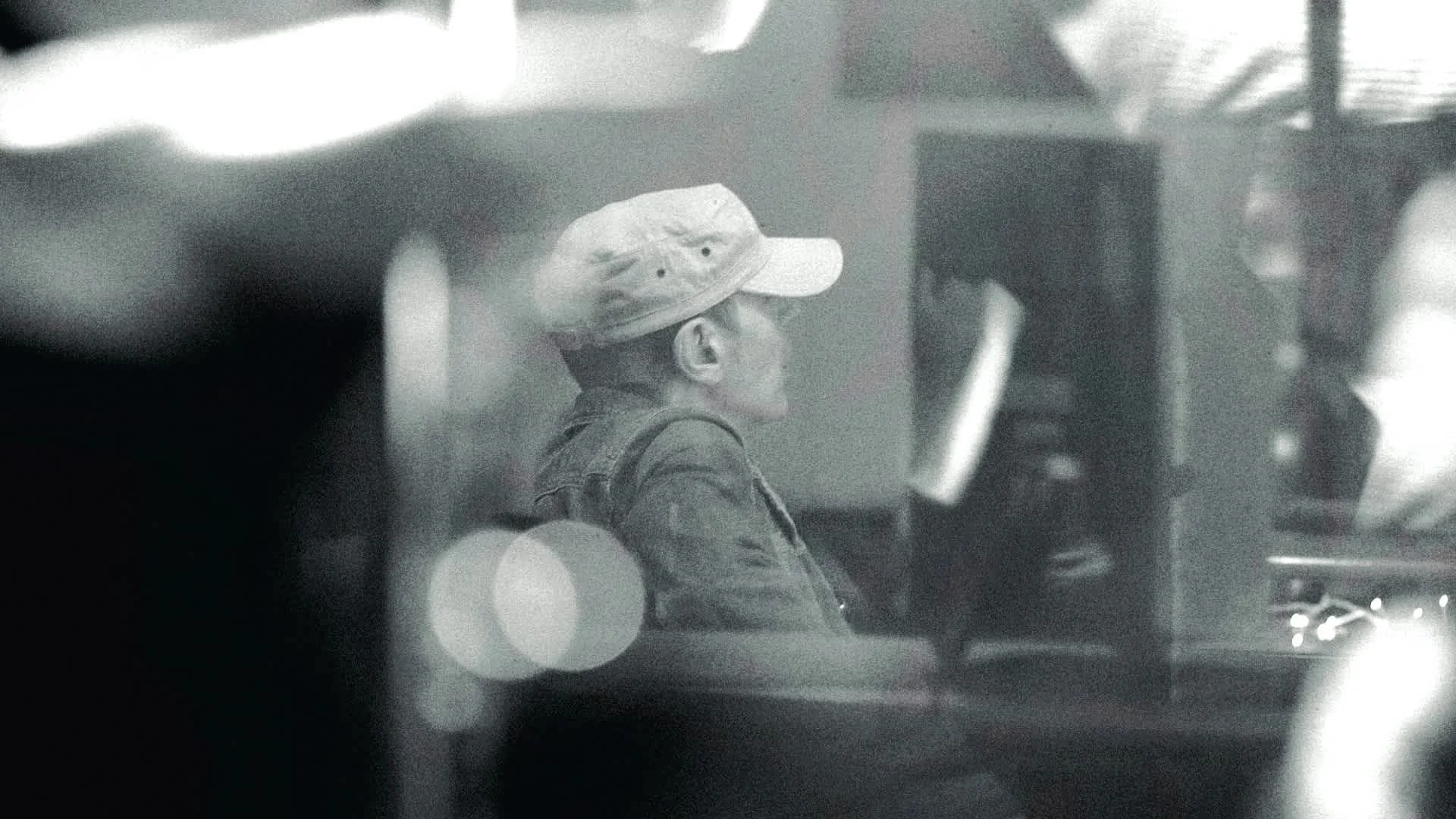

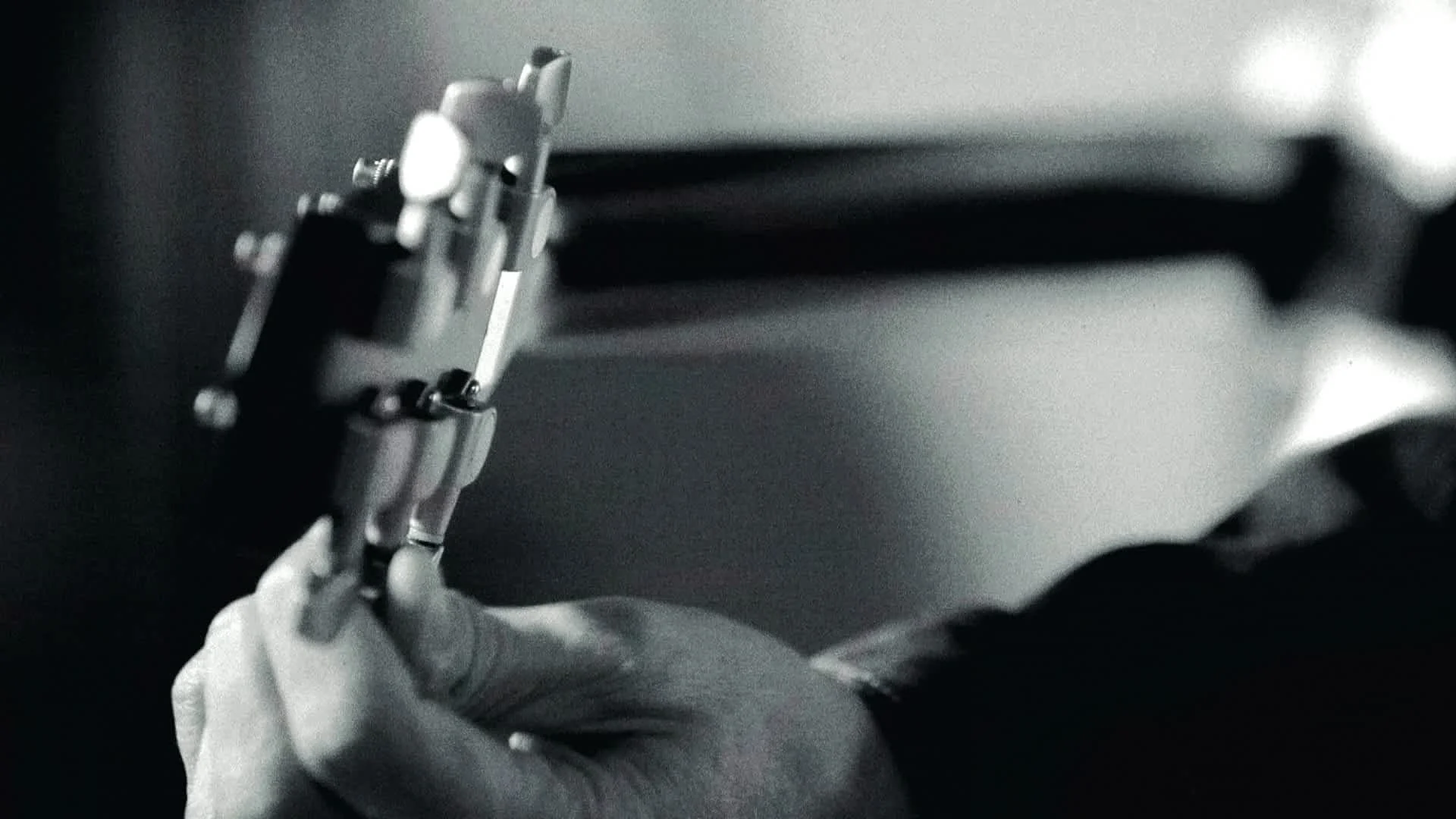

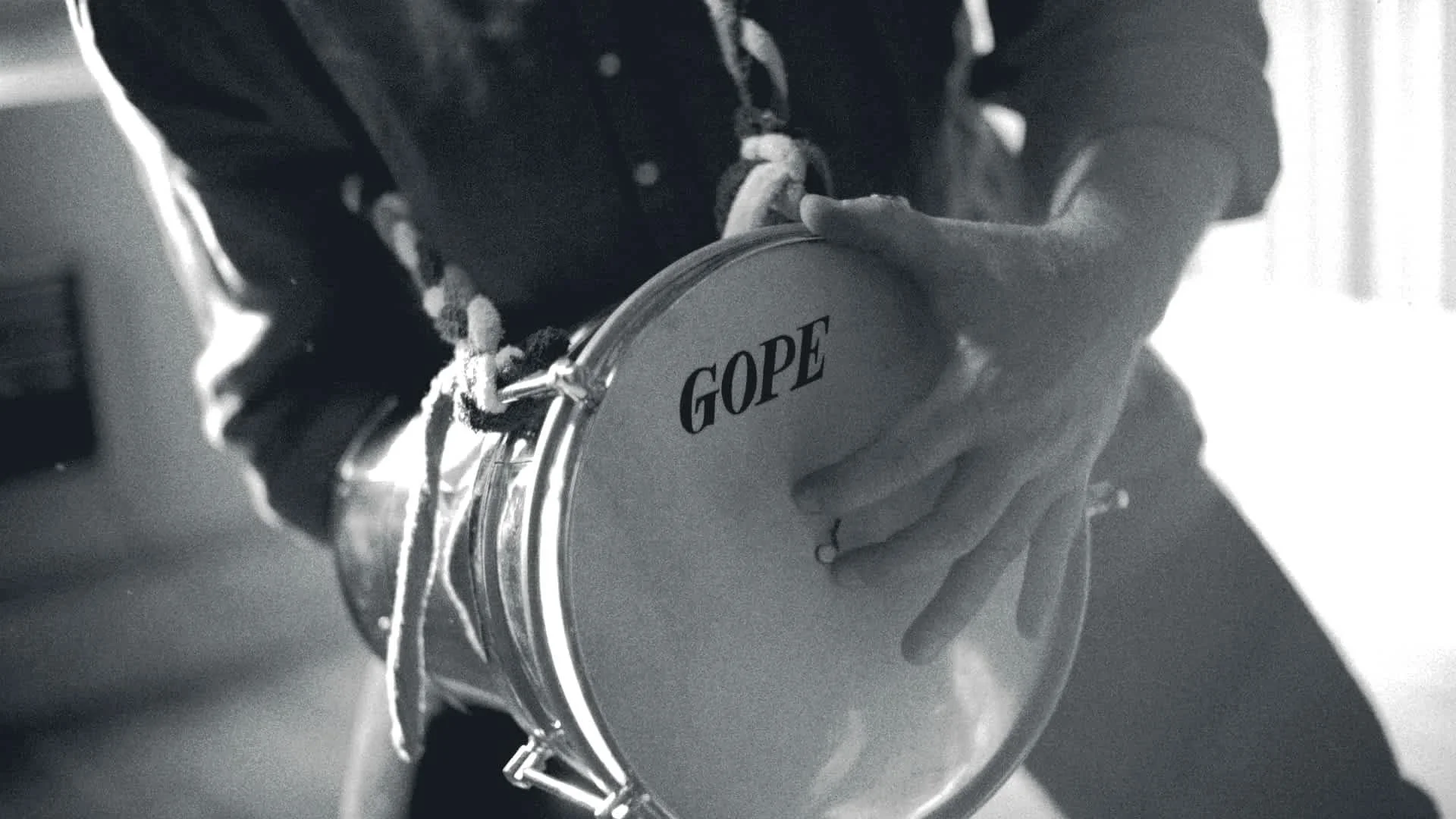

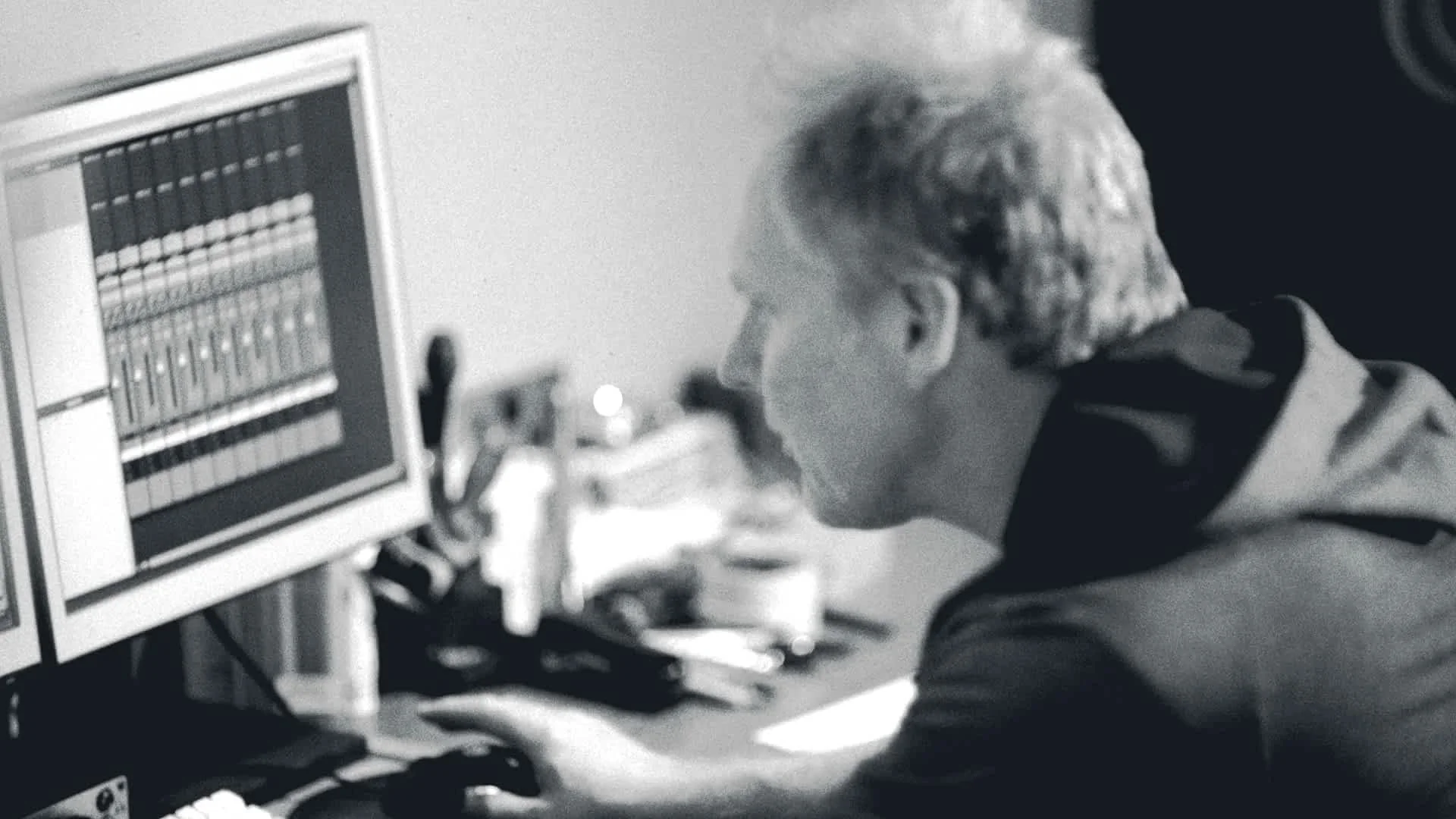
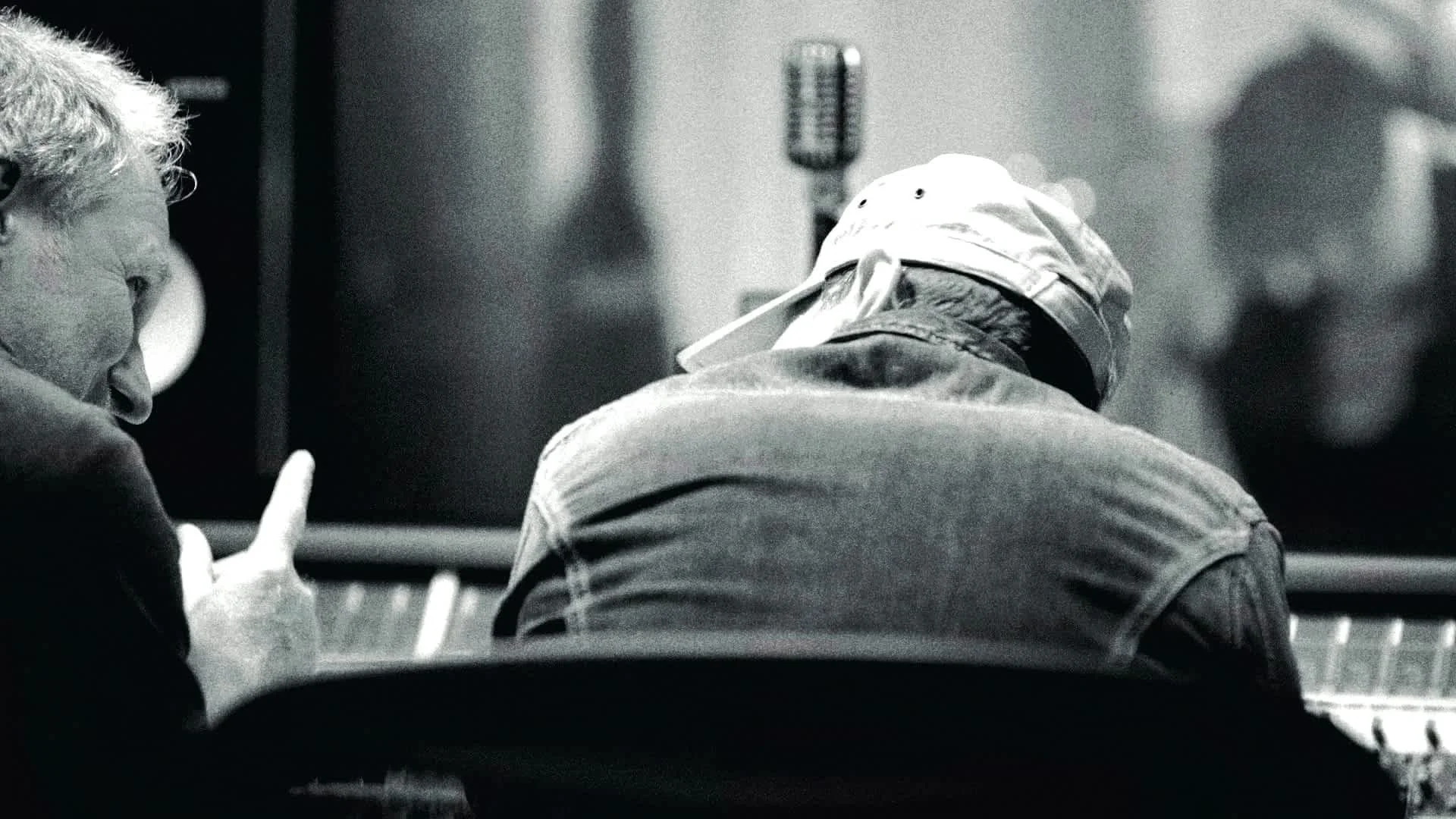
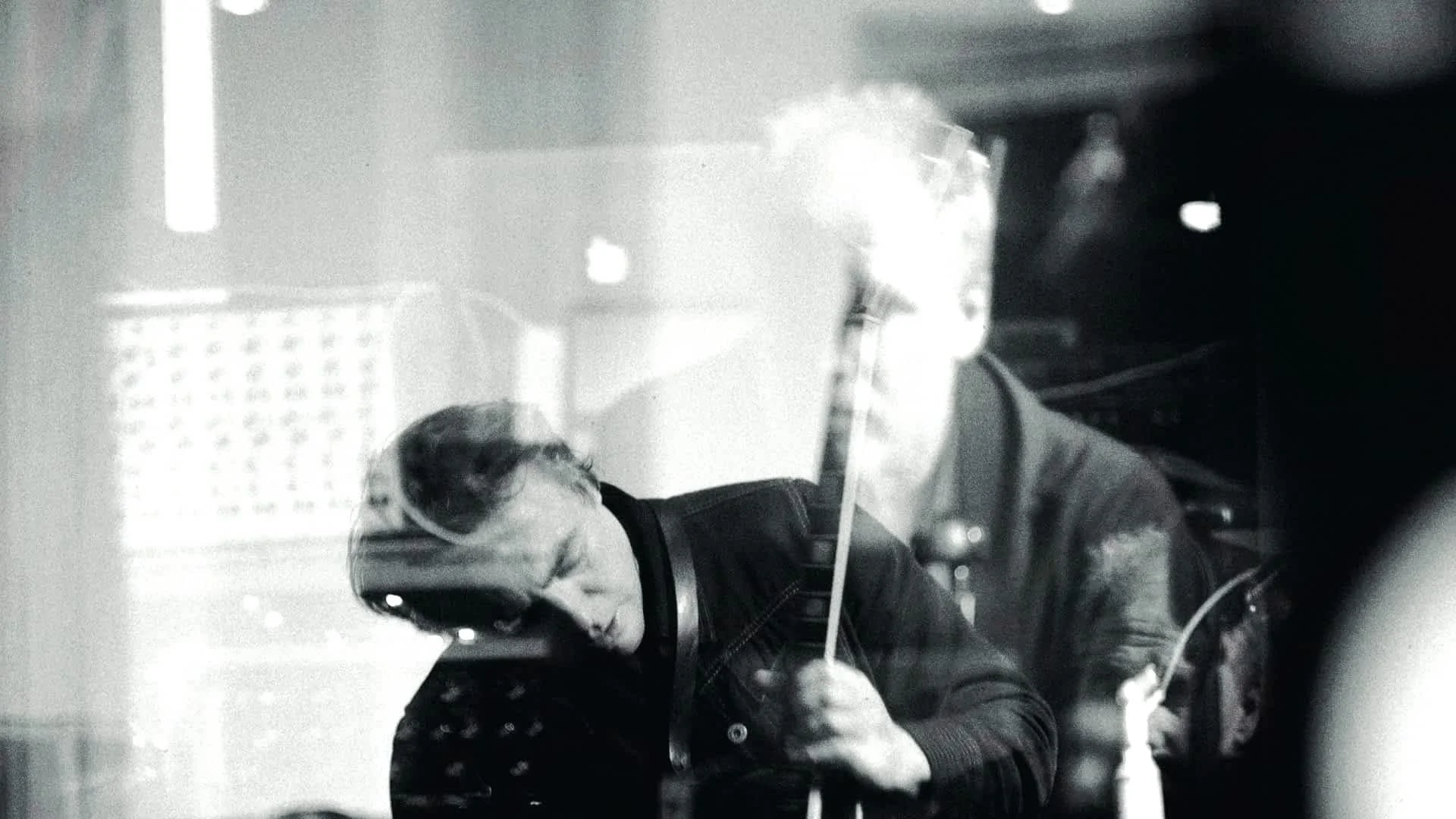
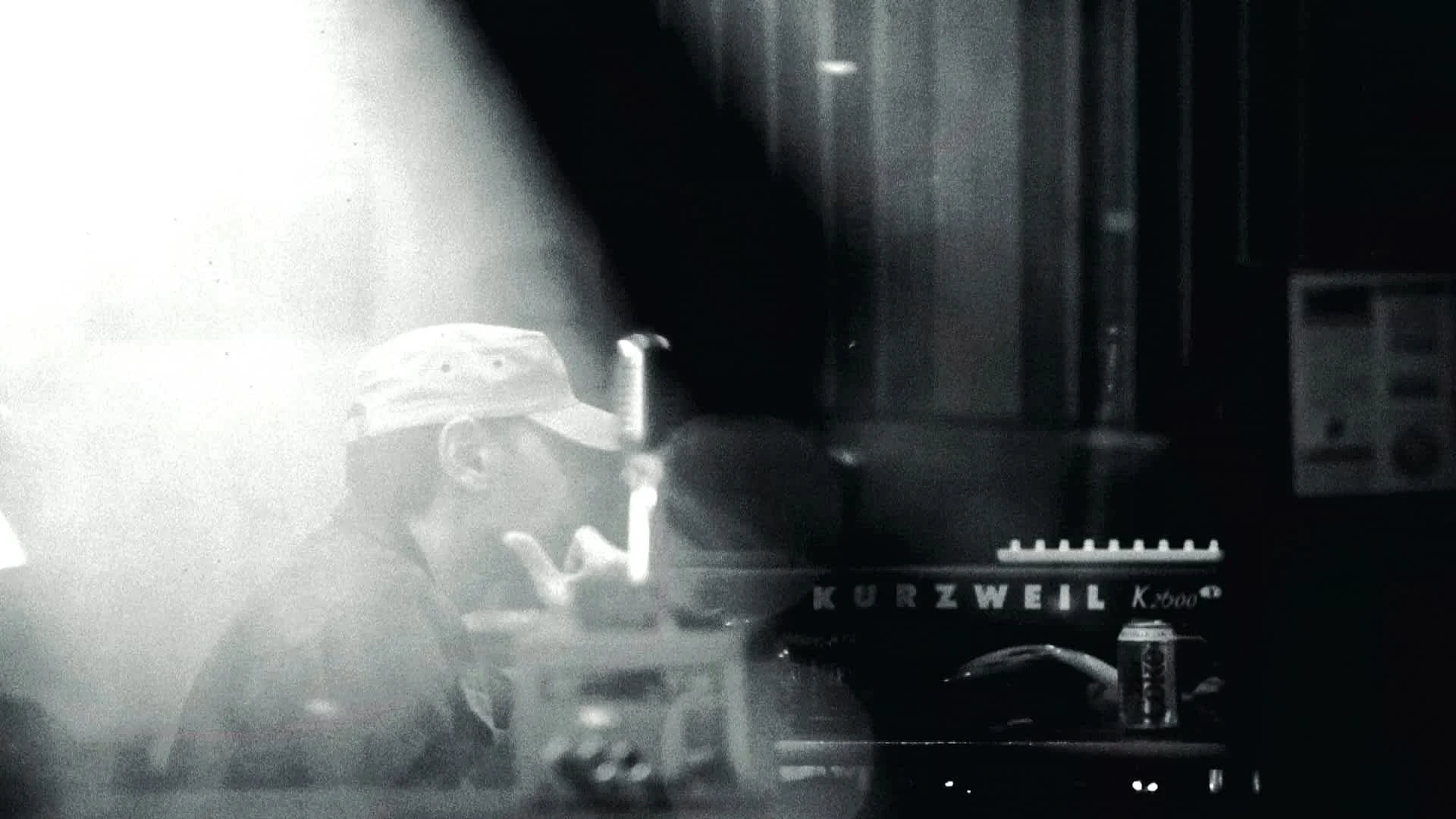
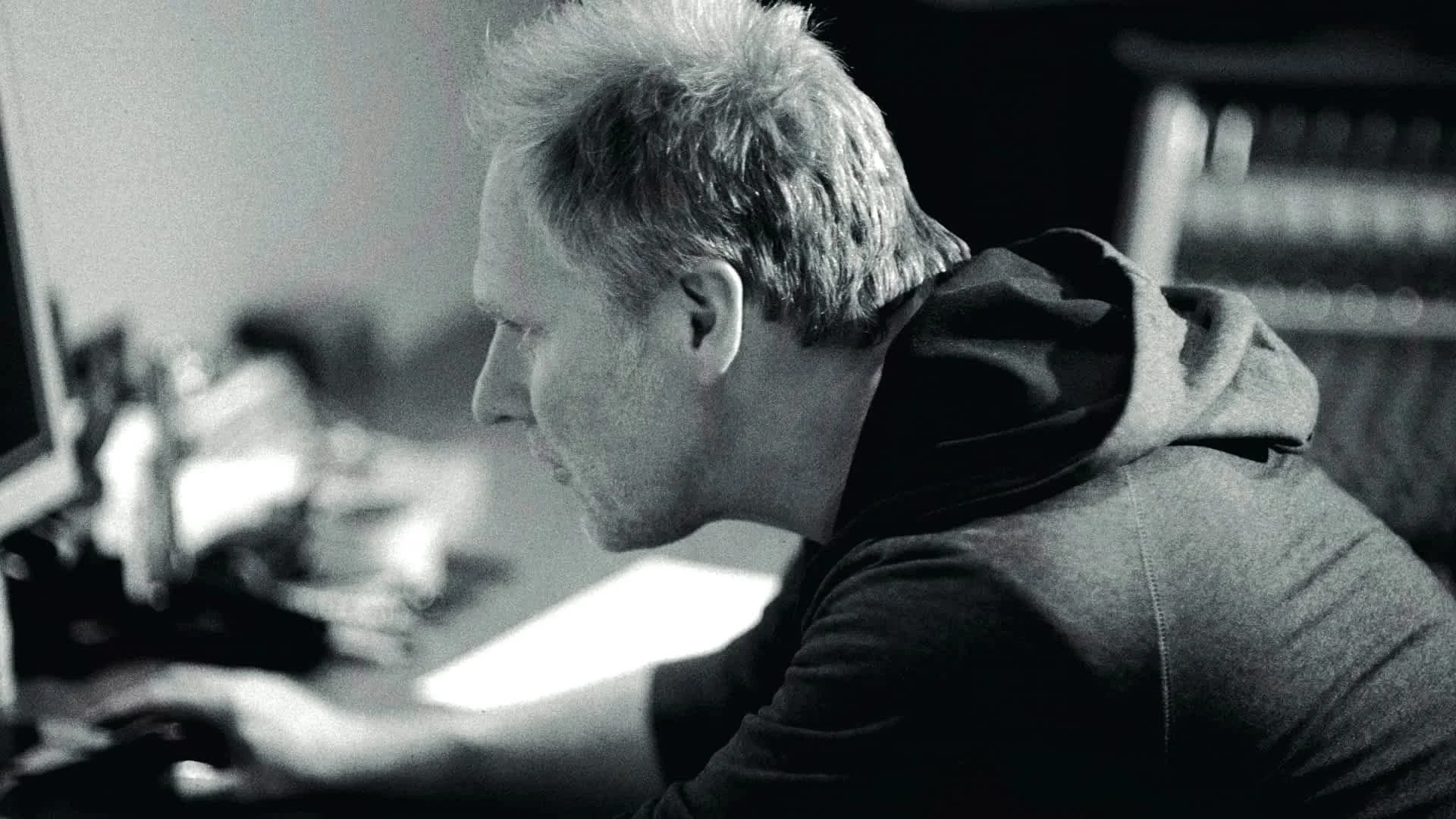
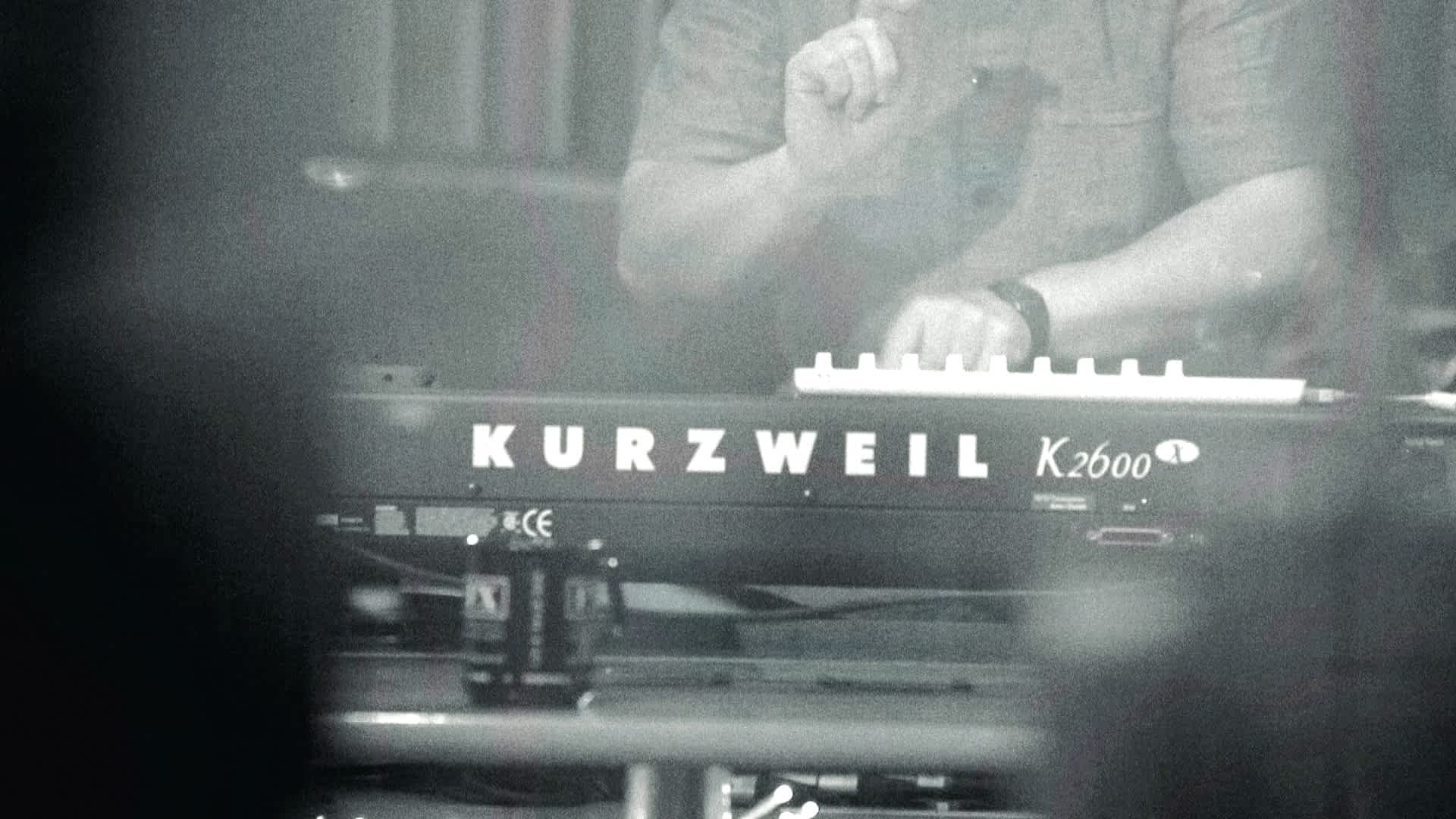
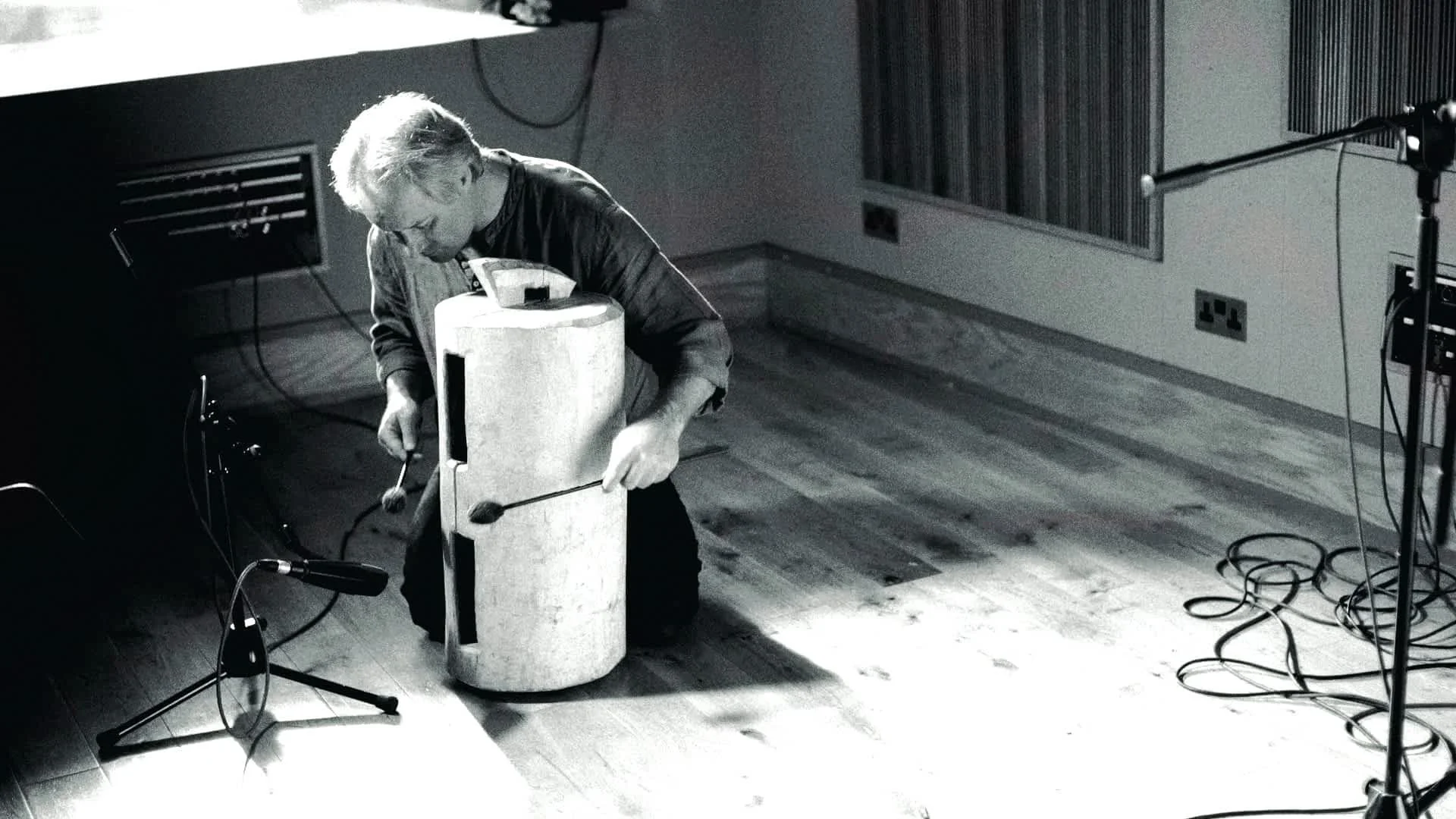
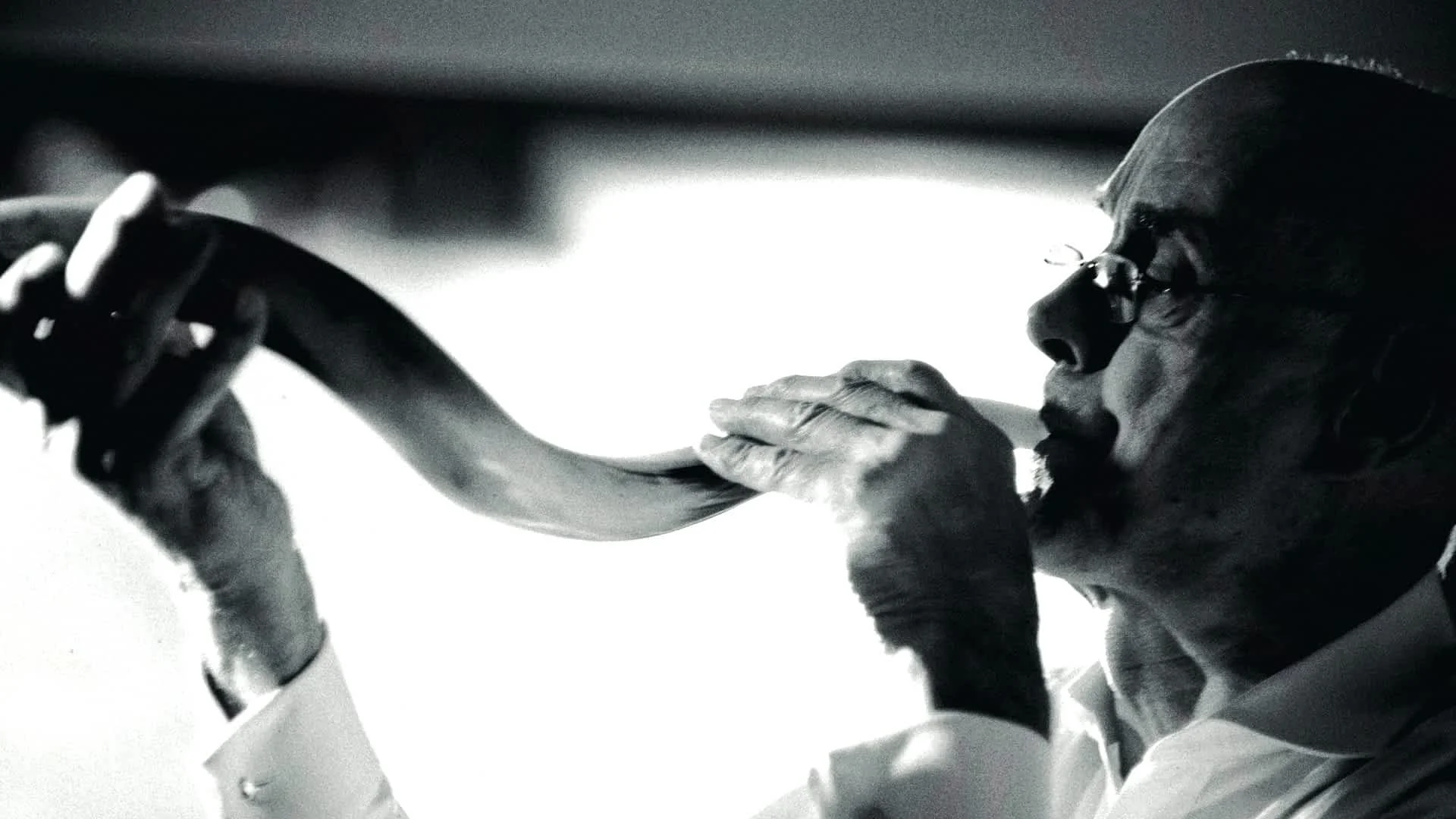
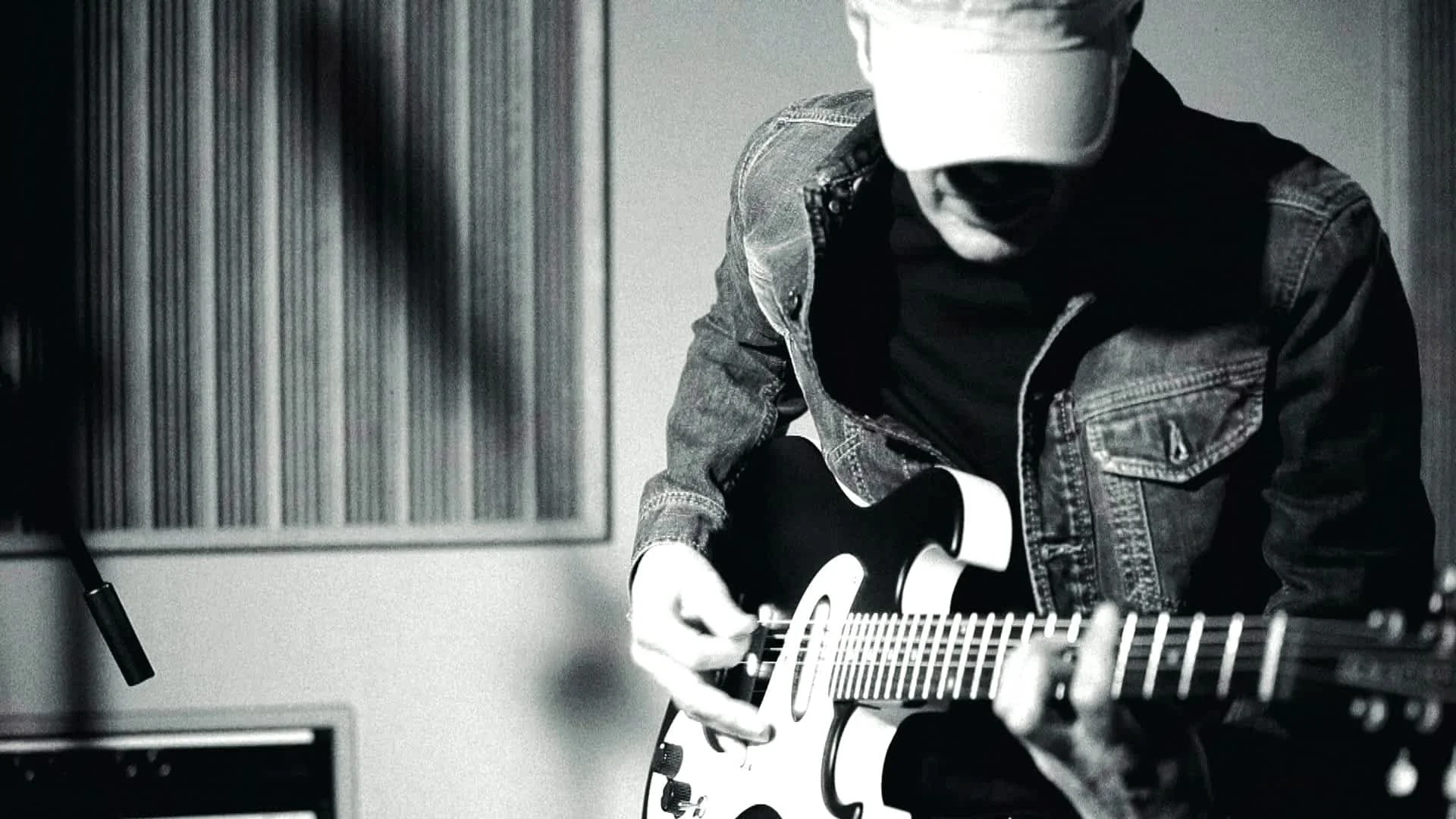
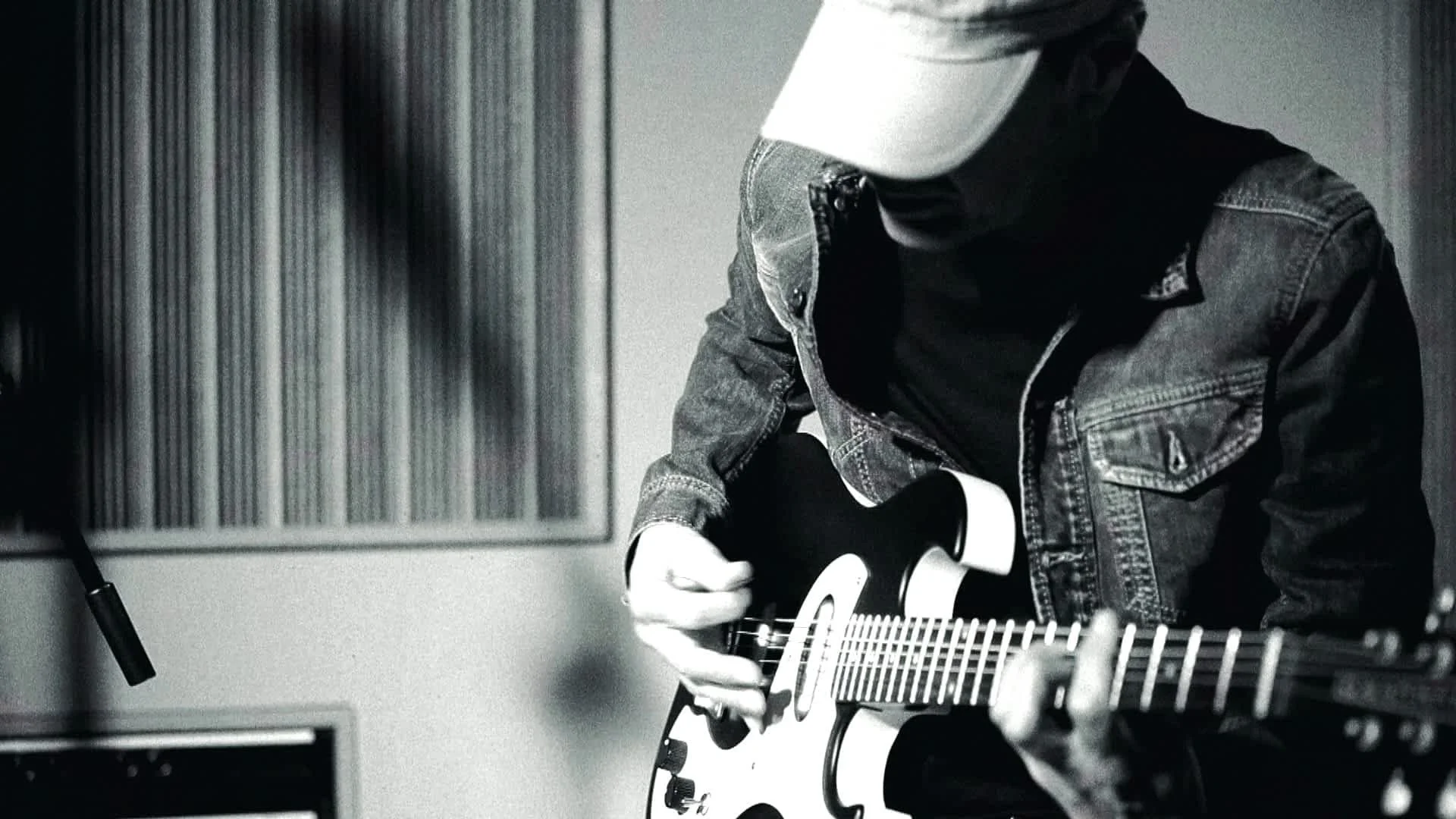
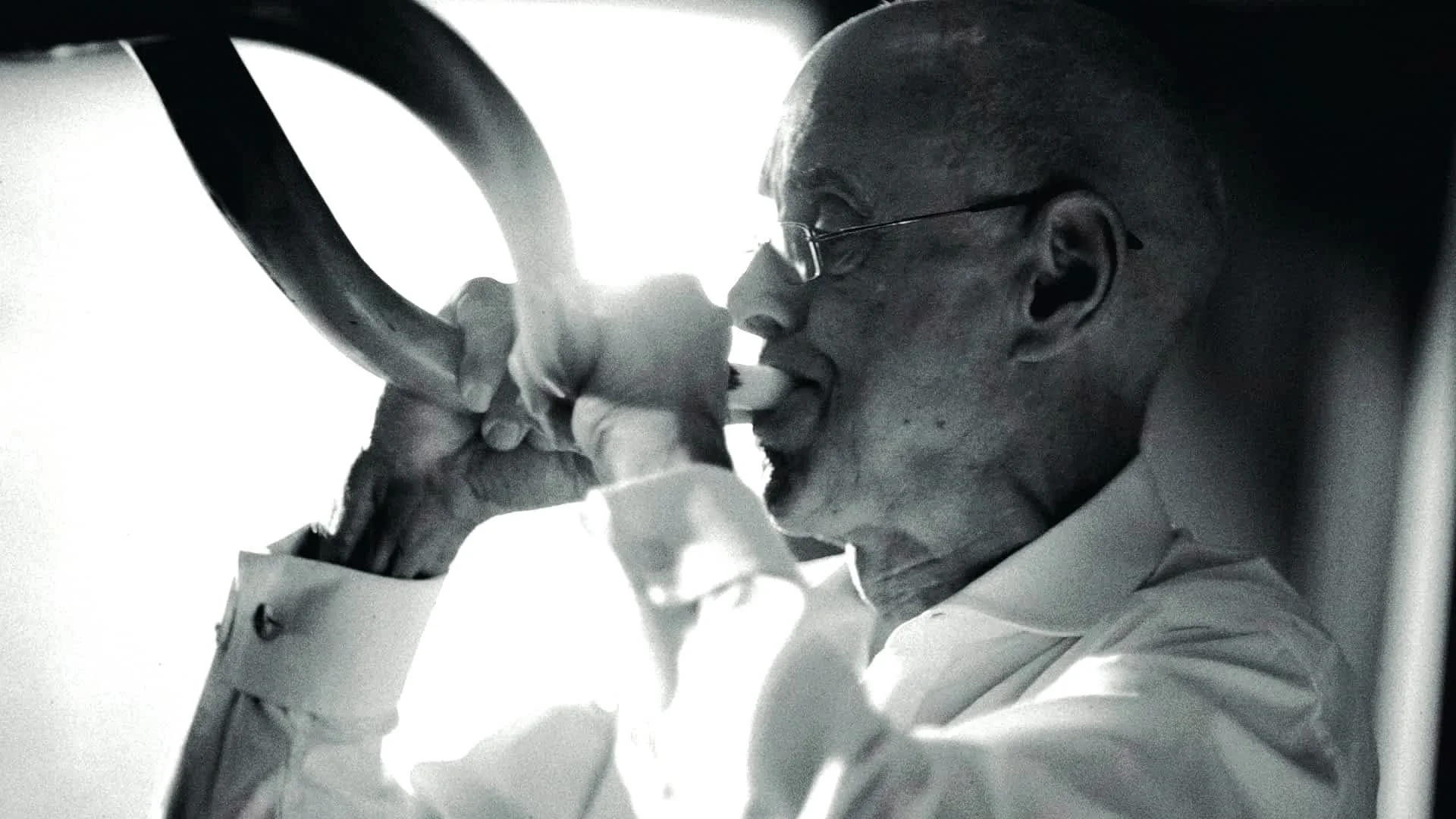

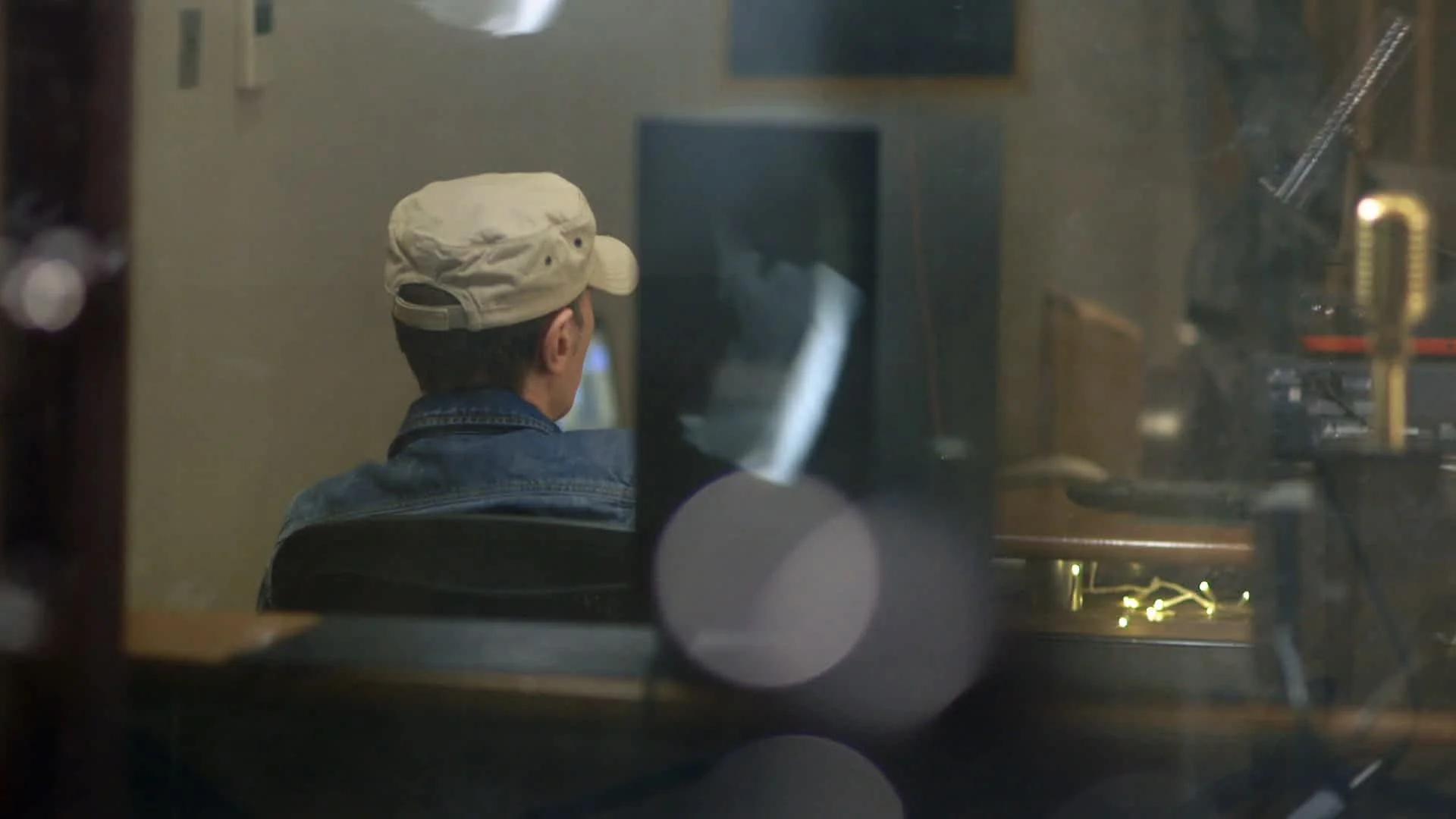


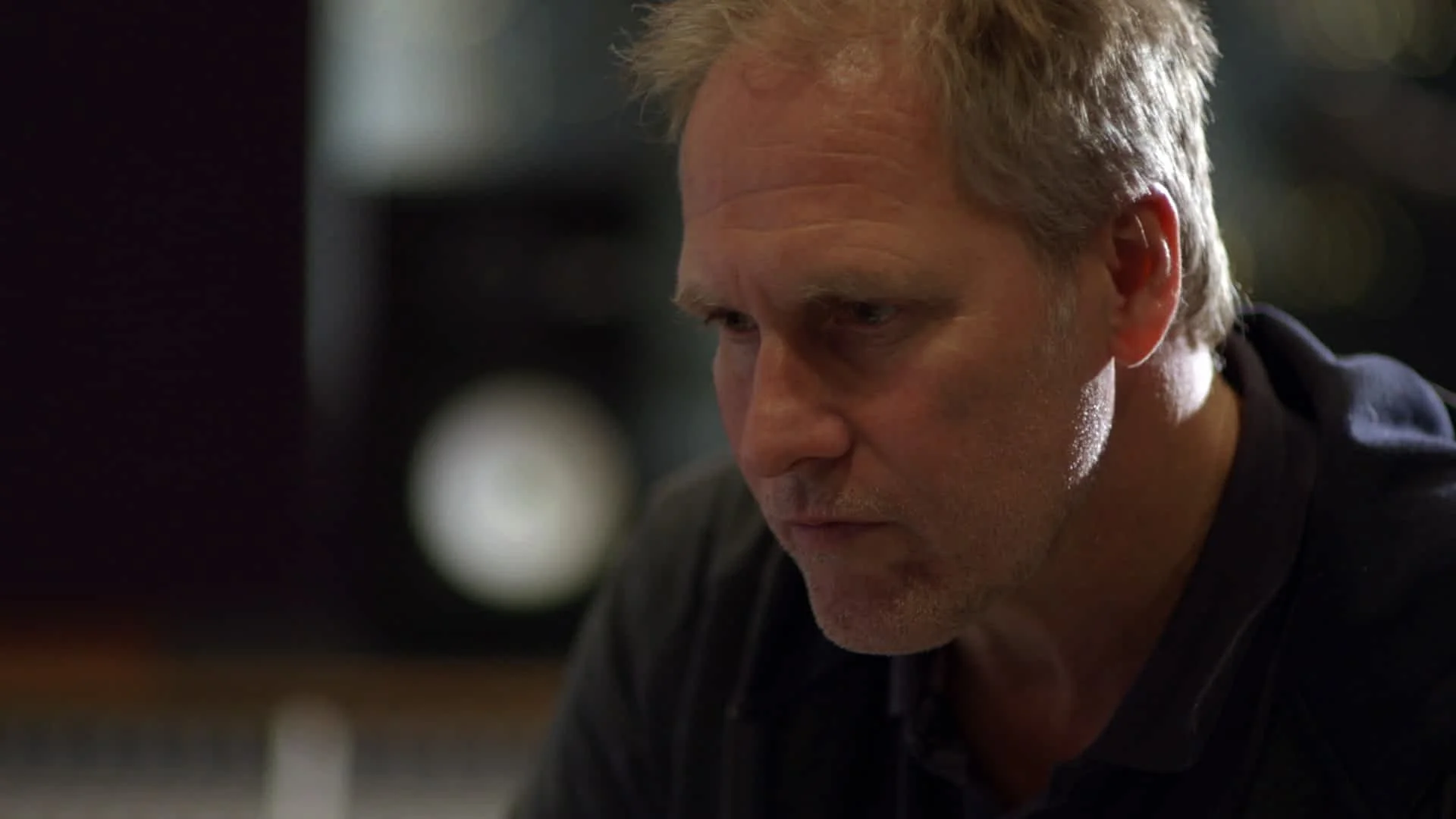



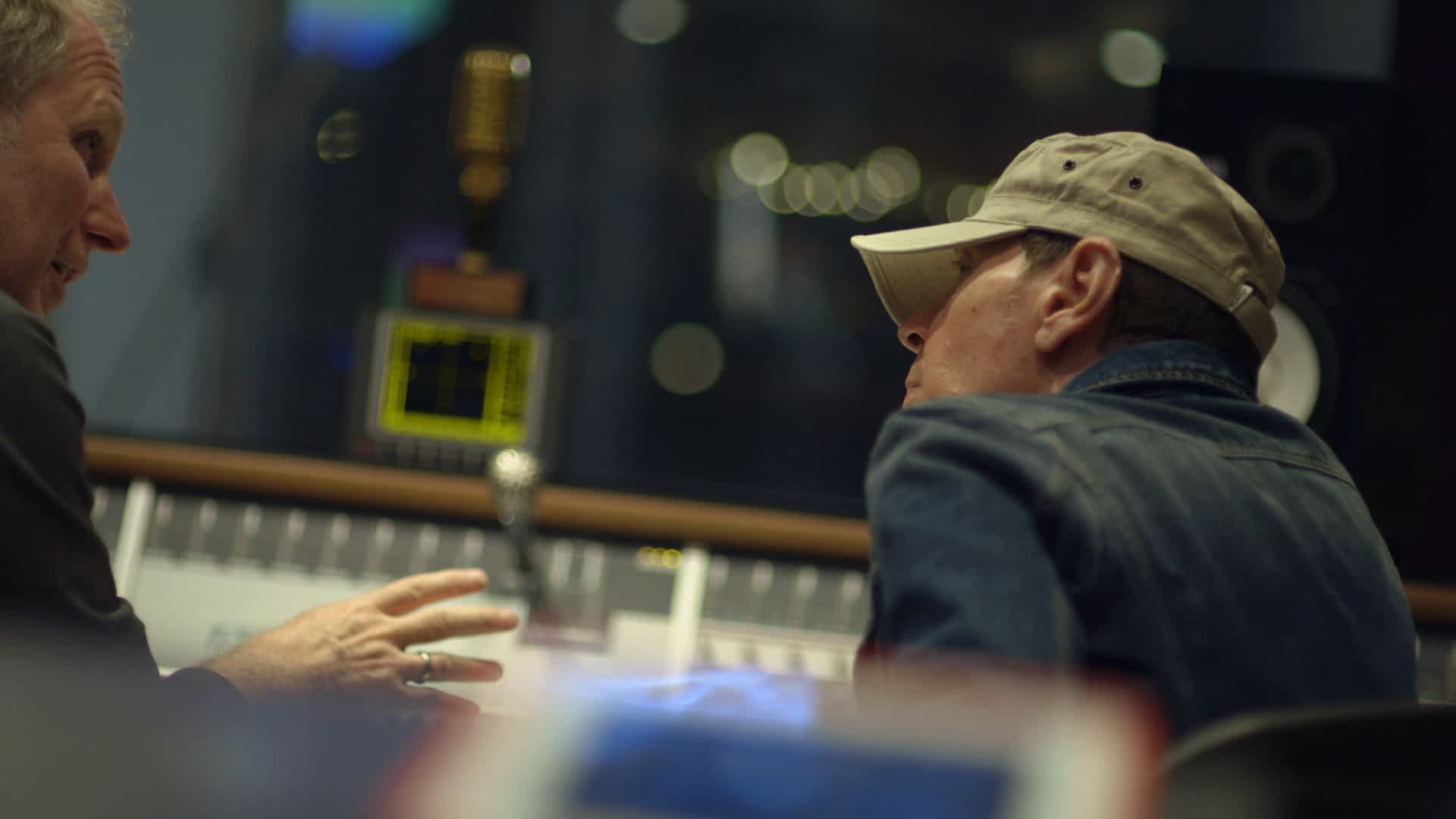
Video stills by Iain Forsyth and Jane Pollard
“The first time I ever walked into that studio in Acton, the first thing he said to me after shaking hands with me and after you introduced us, he said, “James, I just want to let you know, I don't want to hear anything that sounds like a guitar. Okay.””
Guitarist James Stevenson in conversation with Peter Walsh
Interview
The Quietus, November 25, 2012
by John Doran
Cracking Up: Scott Walker Interviewed
I’m sure everyone reading this knows the sudden jarring sensation of getting half way through a joke or an anecdote before realising what they’re saying is completely inappropriate. The ill-judged story at a wedding or wake; the “too soon” pub joke; the “you had to be there” tale from a crashing bore, all leading to the panicky thought: what is this blasted drivel I’m spouting and God help me while I grimly soldier on to the appalling punch line. But more to the point, why did this embarrassing act of verbal hara-kiri have to be my opening gambit to musical legend and hero, Scott Walker?
It’s probably sheer nerves but as an ice breaker I find myself describing an imaginary film scene that his new album Bish Bosch made me dream up: “…so you’ve got an entire orchestra full of zombies all murdering each other with their instruments. And in the end it’s just a musical saw-playing zombie hacking away at the conductor.”
And my voice fades away to a querulous whisper of self-loathing: “And in the audience there are a load of zombies saying, ‘Brahms! Brahms’ instead of ‘Brains…’”
Then just as I’m about to burst into tears and run off, Scott Walker slaps his hands together and emits a large, warm laugh: “Hey thanks, that’s the next album written!”
It turns out that not only is Walker one of the most vital, challenging and engaging figures in 21st Century popular music, but he also has a very sharp and generous sense of humour.
He pretends to make a note to himself: “Now I’ve just got to get Peter [Walsh, his long-standing co-producer] to find some zombies for me…” Scott Walker will slap his hands together delightedly and laugh a lot during our hour long conversation.
Walker, a 69-year-old New Yorker who grew up in California and moved to Europe well over 40 years ago, has ploughed one of the most singular furrows seen in modern music. In the broadest possible terms his career can be divided into quarters. Scott One was a member of extremely popular 1960s group The Walker Brothers, who were so big that they even eclipsed the success of The Beatles in 1966. Scott Two was a solo crooner who released a quartet of peerless self-titled LPs that painted rich vignettes of life in the late 60s; kitchen sink dramas channelled via the spirit of Jacques Brel. Scott 3 was a near washed up figure who dampened down his creativity with marathon whisky binges while releasing unsatisfying solo country and western and MOR albums and joining in a cash-motivated Walker Brothers Reunion. Scott Walker was and remains a highly misunderstood left field artist with no peers who has recorded four of the most challenging ‘rock’ records to be released on relatively large labels: Climate Of Hunter (1984), Tilt (1996), The Drift (2006) and now this week Bish Bosch.
However, while there’s more than a little truth in this overview, the true picture is a lot more complex. For example, he displayed a knack of introducing the disturbingly counterintuitive and a sense of the uncanny into his song writing right from the get-go on tracks such as ‘The Plague’ (1967). And while a lot of his output released during the 1970s and 1980s is hardly what you’d call essential, by the same token, this is when he recorded some of his most beautifully realised material. Belatedly, many music fans have been questioning received wisdom and seeking out his astonishing contributions to the Walker Brothers’ swansong Nite Flights (1978) and his wonderfully chilly solo album Climate Of Hunter (1984). But as well as this, even his disparaged MOR career contains such broken-hearted, saloon bar gems as ‘No Regrets’ and ‘Cowboy’.
The lesson here is to ignore received wisdom and to discount the urban myths. It’s the only way you’ll even start to get to grips with Bish Bosch.
I could use up the word count for this entire piece ten times over and still not do this album any justice. On one of many levels this is a monumental study into the boundaries of language; a cartographical study that pinpoints where it breaks down into chaos, gibberish, animal noises and fart sounds (more about this later); while this itself can be read as a metaphor for the perceived collapse of society, art and the self. Books could be written about its dense modernist wordplay which is loosely reminiscent, in several key respects, of that in T.S. Eliot’s The Waste Land. Reviewers will tie themselves into knots trying to describe this deadly sonic funnel web of industrial beats, atonal metallic guitar, cosmic lap steel, electronic noise and clash of four-foot-long machete blades (more of this later as well). Puzzle-loving listeners will search frantically for clues to deeper meaning in the lyrics voiced by multiple narrators including a minor saint who spent most of his life sat up a pole, the Romanian dictator Nicolae Ceaușescu and Attila The Hun’s disfigured dwarf jester.
Do I like it? I think so. Is it any good? Ask me again in 2015. Is it the most devastating record of the year? Undoubtedly. Two things that are immediately clear is that Scott Walker has produced an impactful piece of utterly unique pre-post modern art and that he remains a visionary in splendid isolation, with the few foolish enough to presume kinship with him easily revealed as clowns, ironists, fuckwits and coat tail riders by comparison.
You’ve said that you have to wait a long time for lyrics to come to you; that it’s a waiting game. How long did it take in the case of Bish Bosch?
Scott Walker: This time I set aside a year, which normally I don’t do. I just thought I’m going to try and see if I can speed up the process by not doing anything else. So it took me just over a year to get the lyrics and everything done, which is lightning speed for me. But I really had to wait and wait and wait almost every single day for the words to come.
Earlier this year your manager released a statement saying that Bish Bosch left off where The Drift finished. To what extent is that actually true and does the new album finish a notional trilogy?
Well it feels like that, but I don’t think it’s literally true; they’re not joined together. We have developed a style. And we’ve been elasticating that style, pushing it to its limits, and that’s why I think people can hear this same sound going across three records. It’s possible that this is the last time we’ll try this particular atmosphere and we’ll try something very different next time. But Bish Bosch is also very different. There’s a lot of bass on The Drift and Tilt but on this one we’ve used the bass only here and there. That was because we were trying to get a vertiginous feeling where the bottom drops out from under you, leaving you with nothing to hold onto for a lot of the time. And when the bass comes in [smacks hands together violently] it’s a very welcoming thing.
Some of the dark atmospherics on the album made me think of the more ambient end of dubstep. To what extent do you keep up with new music, say for example, on the Hyperdub label?
I know Burial. I know all that stuff. I try and keep up with so much stuff, whether it’s Burial or a hit record off the radio.
On first listen, I actually found Bish Bosch more harrowing than most current releases in the fields of black metal, noise, industrial and power electronics, where causing distress or discomfort to the listener is often an integral part of the aesthetic. To what extent do you know these genres, and to what extent are you trying to put your listener through the wringer, as it were?
I’m aware of the sort of music you’re talking about, black metal and so on. I’ll dip in and listen to that kind of stuff but my music is coming from me – I don’t know exactly how, but it is coming from me. Generally with [noise and power electronics etc] everything is going one way. The vocals and the sound are only going one way, and I try to give several layers to keep you interested, more like in a painting perhaps. Maybe there will be an underlying seriousness, maybe there will also be some humour, but there will be a lot of stuff happening at the same time. And I think that’s the main difference between what I do and black metal for example.
Where did the album title come from? I believe it has something to do with an idea of a giant female artist…
I knew I’d be playing with language more than I had on any of the previous albums. I wanted the title to introduce you to this kind of idea and reflect the feeling of the album, which was [claps hands briskly] bish bosh. And we know what bish bosh means here in this country – it means job done or sorted. In urban slang bish also [phonetically] means bitch, like “Dis is ma bitch”. And then I wrote Bosch like the artist [Heironymous]. I was then thinking in the terms of this giant universal female artist. And this idea continued to play through the record in certain spots.
The architectural critic Jonathan Meades said something interesting to me recently: “Heironymous Bosch may have been warning us against Hell, but he had a hell of a time warning us against it. He really enjoyed himself!” Do you enjoy making these records? Do you have a lot of fun making them?
Oh yeah! Yeah, we really do. But they’re difficult too. If things aren’t going well then they’re difficult to achieve, but it’s 50/50, because we have a lot of fun and a lot of laughs as well. [emphatically] You’ve got to have that. Like I said, it can’t just go one way. Good art never goes one way.
I guess propaganda goes one way and art is more multi-directional, more open to interpretation. This brings me to the sense of humour on the album… I probably listened to Bish Bosch about four or five times… reeling… slightly agog… before I heard the jokes on it, but then I realised that there were probably 11 or 12 rib ticklers on it. Would it be fair enough to say that in some respects this is the funniest album you’ve written?
Most broadly humorous yes. There is humour running through The Drift as well. It’s there. You have to look for it… get on our wavelength [laughs] but it is there.
Forgive me for saying so, but I think maybe my first reaction to the album was the more honest, and I have to question how funny a listener could be expected to find these jokes in the context of the harrowing music. Isn’t it fair enough to say these jokes are more absurd than funny?
Yeah, they’re more absurd.
And absurd humour or absurdity is another feature of existential crisis isn’t it?
It’s absurd. It’s Kafka-esque in its absurdity. Franz Kafka would read his stories to his friends, and when they weren’t laughing he would get furious. It occurred to me that maybe it’s the same thing with my music. No one thinks of [Anton] Chekhov as a comic writer, but he certainly thought he was. Who knows?
An anology that I thought of was one regarding some of the films of David Lynch. For example you could watch the film Eraserhead all the way through one day and find it a grim and relentless experience, and watch it another time and find it ridiculously funny…
Yeah, that’s exactly it. That’s it. Eraserhead is a great example as well because maybe, it’s still his best film.
But there is one genuinely laugh out loud moment on Bish Bosch and that’s in the way the album ends with ‘The Day The Conducator Died (An Xmas Song)’, a track ostensibly about the overthrow and then rapid execution of Nicolae Ceaucescau and his wife Elena, which ends with sleigh bells and the first few notes of ‘Jingle Bells’. I genuinely LOL’d. What things make you laugh? Any books or comedians?
Gosh… [pause] I’m trying to think… [massive pause] What makes me laugh? [massive pause] We’ll have to come back to that… [we never do]
The opening track on the album ‘See You Don’t Bump His Head’ is a line uttered by Montgomery Clift to soldiers putting Frank Sinatra’s body in the boot of a car, edited out of the final cut of From Here To Eternity. You looked up to Frank Sinatra as a singer when you were younger. How much did you learn from him in terms of breathing and phrasing, and does any of that still apply now to the newer style of vocals that you do?
Well, very little now. Back then his phrasing was his key ingredient. No one else could do it like him. No one else could tell a story like him. Within the confines of the American standard, you could listen to his breath control and just hear how good he was. A simple thing like singing, “I love you.” A lot of singers today will sing, “I…” [gasps for air] “love…” [gasps for air] “you…” [gasps for air] You wouldn’t say it like that if you were having a conversation with someone. The words would flow together, “I love you.” He would sing words as if he were saying them directly to the listener. He knew that you couldn’t just throw this stuff together. But this music is so other to that kind of stuff that the rules don’t really apply any more. These songs aren’t standards.
Well, no, they’re not, but you’d still never, ever, ever hear Scott Walker take a breath on record would you – and that’s whether you’re singing ‘Make It Easy On Yourself’ or [Bish Bosch track] ‘Epizootics!’
No, you wouldn’t, but then you wouldn’t hear many singers from that time take a breath. You wouldn’t hear John Lee Hooker take a breath either. A few years ago I was watching Tom Jones doing a concert and even though he had the mike right next to his mouth, you still didn’t hear him take a single breath… because it wouldn’t sound right to him. And that’s the difference because today on some records the breaths are as loud as the notes. [groans asthmatically] You can hear people wheezing in and out!
On ‘Corps De Blah’ you have hyperintelligent and provocative word play which is juxtaposed with these really coarse bodily noises. Fart noises. The sound of excretion basically. It sounds almost like you’re having fun at your own expense. Are you trying to deflate the perceived pomposity of your own lyrics?
In a sense it’s used to cause a break… Actually it is to cause a deflation of the lyrics, you said it better. It’s a break, so you don’t end up thinking, ‘Oh my God… what’s he doing now? He’s overdoing it!’
Who stepped up to the mike? Or who backed up to it?
[laughs] We’ve taken an oath that we’re not going to reveal the sources of those noises.
Well that’s fair enough, but something doesn’t add up here for me. You obviously spend a lot of time creating certain noises on your records and your Foley work is very painstaking and very accuracy focused. I mean, we all know how you built a large wooden box and rested it on breeze blocks and then spent days dropping concrete on it just to represent the sonic idea of a pea under a thimble [on the track ‘Cue’ from The Drift]. So unless you drafted in Le Pétomane to record the sounds, it just feels a bit lackadaisical to me, and also I dread to think what it would be like in the studio if you had to keep on doing take after take of these terrible noises until you got the fart exactly right.
[laughing] No, no, no! It wasn’t that elaborate.
Ok, from one bit of Foley work to another… Where does one get musical machetes from?
Oh, the nightmare machetes? I got them online. I was looking for the heaviest ones I could find. Of course when they arrived everybody panicked, especially when we took them to the studio. Out of everything we’ve done in the studio, this was the thing that people I’ve worked with hated the most and they couldn’t wait for us to get them out of there. They really panicked. I mean they are monstrous to look at; the blades are about four foot long. I knew I needed a lot of weight otherwise it would sound like kitchen knives. Yeah, I got them online… they’re the most dangerous things I’ve ever used to make music with.
What qualities make Peter Walsh the ideal co-producer for helping you realise this kind of music?
He has a good sense of humour, which is great, and he’s a very steadying influence in the studio, so everyone likes him. That’s the main thing. He’s a great engineer. And together we’ve created this sound which I would describe as…
Well, this may sound fanciful but nevertheless this is how I think of it. In its purest sense, ever since we did Tilt, the music we’re making is meant to be an aural version of the H.R. Giger drawings for Alien. It always sounds to me like those look.
I met someone who said, ‘It took me two years to work out if I thought The Drift was brilliant or just ridiculous; and then another year on top of that to work out if I actually enjoyed listening to it or not.
Yeah, they cause extreme reactions these albums, so I’m never surprised when I hear things like that. I can always tell if a guy’s not really willing to go there, I can always tell that, but I’m used to whatever reaction these records provoke.
I know you don’t do much singing in between albums, so you’re going to be out of practice when it comes round to recording time, but do you still have to put a lot of effort into getting your voice emotionally neutral, or is this a technique that you find it easier to achieve now?
Well, it’s changed on this record because most of this record isn’t emotionally neutral. Most of these songs are character driven… not that you want to overdo them or risk ending up impersonating people. But on a song like ‘Zercon’ [‘SDSS1416+13B (Zercon, A Flagpole Sitter)’ the 22 minute centre piece of Bish Bosch] you can’t do that without some extreme singing and going to some extreme places.
Since the release of The Drift, two folk bogeymen have raised their heads in this country; chavs and hipsters. I’m not sure to what extent either of them actually exist but people in the media are obsessed with these terms. Hipster has become a pejorative, derogatory term, but would I be right in presuming that you connect to this term in a more old fashioned, positive way, with the hipster being the kind of person who hips you to cool art and cool music.
Are you talking about the one song where…
‘Epizootics!’
Yes. I’m going back further beyond the beatniks, back to the hipsters, back to the days of Cab Calloway. And they would say, “Epizootics!” And click their fingers. People would naturally presume that I would be talking about the study of plague – which is what the word means literally – but actually I was using it in the same way as the hipsters used it, to mean cool. I wanted to reach back to this idiomatic language they had.
What’s funny about that song is the fact that suddenly out of nowhere for one of the first times ever, suddenly there is this massively signposted piece of hot jazz…
There were six of us playing ride cymbals going tshh-ch-ka, tshh-ch-ka, tshh-ch-ka tshh-ch-ka, tshh-ch-ka, tshh-ch-ka.
It makes me laugh because you’ve spent so long saying, ‘I’m not a jazz musician, this is not what I do.’ And then there it is.
Yeah, but only briefly, and it’s only there to give an example of this idiomatic world that these characters are in, but then it really changes quickly to beats. You know: ba-da ba da-da! ba-da ba da-da!
It’s probably worth saying at this point, however, that no matter how complex or forward looking what you do is, that you’re not a jazz musician – that’s not the tradition you’re from, it’s pop and rock music you’ve taken to breaking point.
Yeah, of course. The jazz is only there for a second. It’s more for the atmosphere of that world. Because it’s over exaggerated for starters. Real jazz wouldn’t have six guys playing the ride cymbal.
Does it irritate you when your music enters the general consciousness; like with The Drift ending up being boiled down in the popular narrative to the album with the guy punching the giant slab of pork on it? [On the track ‘Clara’, Alasdair Malloy is credited with “percussion and meat punching”] Do you worry this will become the album with the farting and the machetes?
No. These kind of people who think of it that way obviously don’t want to invest their time, so it’s useless worrying about what they think. The people who are going to like it are going to like it and with anyone else I just have to… suck it up!
Are you opposed to the idea of synergy? Do you feel like your art – and by that I mean specifically what you’re trying to do with Tilt, The Drift and Bish Bosch – can only be expressed in the form of music released on album?
Well, not necessarily. I think they could probably exist in the theatre as well. A couple of years ago we did this thing at the Barbican [Drifting And Tilting]. It was a mixed bag. Some of it worked quite well, so I can see the work maybe existing as theatre pieces.
The other side of that question deals with the fact that you really seem to have branched out a lot over the last few years. You recorded the Pola X soundtrack, you’ve written songs for Ute Lemper, you’ve curated the Meltdown Festival, you’ve worked in contemporary dance and ballet, you’ve done Drifting And Tilting. Have you enjoyed the diversification process?
I love doing it. I’d like to do more of it. I’ve got a couple of things lined up for 2013 and 2014, which are pieces for festivals in Australia, and the people at the National Concert Hall in Dublin have offered me the chance to do something.
Can you say now, at the age of 69, what the two or three great and simple images in the presence of which your heart first opened are; or even if this quote from Albert Camus which was printed on the back of Scott 4 even still pertains to you?
Well, the quote still pertains to me, but I can’t remember any more what they were! It was so long ago…
Why are there so many references to Hawaii on the record?
It’s only on that one song.
Well, from Here To Eternity is set in Hawaii.
Oh yeah. Ok. I didn’t even think of that.
Have I fallen down the rabbit hole into Scott World here? I’m trapped in Scott World and I’m seeing bloody connections that don’t even exist everywhere.
There’s too many Hawaiians! Too many Hawaiians! [laughs] Yeah, you’re in danger of going down the rabbit hole. No, it’s really only on ‘Epizootics!’ that I had this idea about waking up from a Hawaiian nightmare. I wanted to connect it into an entry into this idiomatic world [of hipsters].
You’ve mentioned the idea of nightmares. I believe you’ve suffered terribly with nightmares over the course of your life, was there a specific recurring dream you had?
[laughs] This whole album… that’s my nightmare! No… thank God… thank God, those nightmares seem to have gone away over the last decade, I no longer have those intense nightmares that I used to have.
Maybe you’ve finally syphoned them off onto your last few albums.
Yeah! I’ve got them on record! No, I can’t remember what the nightmares were like and I don’t want to remember what they were like. Awful.
You’ve said in the past that you’ve suffered from depression and Brian Gascoigne [musician on The Drift] said something in an interview which I found very illuminating about your process. He said that you believe that in order to convey strong emotion in a song you feel that you have to be experiencing this emotion. Now to me, this sounds like an unhealthy way to be. Would you agree?
I would agree, except it’s not true. I never write autobiographically first of all. Maybe what he was referring to is that a lot of the time when we were mapping things out – I had to go over to his place to use his machine before I got my own machine – to sketch things out on his computer. I just think he read the situation wrong. He assumed something merely because I wanted a certain feeling to happen in the music. I would say: [voice becomes stressed out] “Can’t you understand what I’m saying here, it has to be done this way. It has to be done like this.” [claps hands together violently] And I think he might have been feeling the strain a bit and interpreted what I was doing as a personal thing, but it isn’t.
So you don’t even go through these extreme emotions by proxy like a method actor would?
No, not at all. My periods of depression were the worst in the 1970s; I don’t really have a lot of that now.
So the fact that you’re not particularly prolific has nothing to do with the fact that you find the recording of this material particularly draining or unpleasant?
No, it’s just getting the quality of it up. It’s just about having the patience to watch the thing unfold and sometimes you just get tired and give up.
So because of the song ‘Zercon’, I need to clear my computer’s browsing history. I was looking up every word or phrase I didn’t recognise on Google, including the term “grostulating”. I’m still not sure what it means but I had to stop researching as I was in danger of getting sucked into a swirling vortex of male pornography and grot.
Hmmm… [pause] Oh yes! Grostulating! I use this word about Mikael Gorbachev and a summit he had with Ronald Reagan. The idea in the song was about reaching different kinds of heights and those two were having a summit, so that’s why I put them together. I’m kind of as fuzzy as you about what it specifically means but I think generally speaking it has something to do with being buggered.
The photos that I saw suggested that if one is grostulating it means that one is fully ready to receive a guest, if you take my meaning. I read a fantastic article by David Toop recently in which he said that he could imagine a world where Big Louise: The West End Show was bigger than Queen: The Musical and that your influence would be felt on the X Factor, where hapless contestants would be made to try and tackle ‘Cue’. Does it annoy you or do you find it frustrating that your stock isn’t perhaps bigger, that you haven’t reached an even wider audience for your most recent work?
Well, I know my stock isn’t going to get that big, and I’ve accepted that fact. Every time I make a record I accumulate a few more people and it’s a slow process but I’ve got enough people now to at least justify the expense. So as long as I can justify the expense of the records I make that’s enough, because I don’t know what else I should be doing. Well, I don’t know what else I could do that would make me as fulfilled.
After conceiving Bish Bosch in your head, which were the most difficult sounds to actualise?
Pretty much through power of description and original imagining, it wasn’t a nightmare to try and get those guys to give me the sounds I needed. The smallest thing that took the most time to get right was the little ‘squeaker’ [a sound similar to a Victorian car horn or squeaky dog toy] on ‘Corps De Blah’, because each time, it wasn’t at the right pitch, it took hours just to get the right pitch… but after that it worked a treat.
You’ve moved a lot more into the realm of using electronics on this album. Why is that?
On this album it was about 50/50. We’ve used a lot more electronics than we’ve ever done before but this time it was about getting the right mix. You can do it for some things but not others. People always ask about big string sections versus big synthesisers.
There is nothing… There is nothing… nothing that gives you the power or the resonance of strings. A machine cannot do it. It can be loud and everything but it lacks that human touch. And that goes for all of the acoustic or electrically amplified ‘traditional’ instruments that we use.
There are certain times when you have to have that feeling and other times when it’s not important.
But there’s a big difference between synthesisers and samplers though. I take it you haven’t resorted to sampling sounds?
No. If I was going to make a totally electronic record like, for example, one by Burial which you mentioned before, I wouldn’t worry about it. I would make a totally electronic record – which I may still do. But for this record I wanted an organic feel which is why I use live musicians.
I know that BJ Cole is famous in his own right and an in demand musician, but I was wondering, do you not get any of your many celebrity musician supporters queuing up to be on your albums? I mean you’re very much a musician’s musician, among other things.
[laughs] No! I think people would dread it. I cannot imagine why they’d want to put themselves through it.
It’s a shame because I have this idea of you doing a version of Bonzo Dog Doodah Band’s ‘Intro/Outro’ with you saying: “And here’s Thom Yorke on rhythmical meat. Nice punching there Thom. And here’s Jarvis Cocker hitting a large wooden box with a brick. Drop it like it’s hot, Jarvis…”
Ha ha ha! That’s a funny idea, hmmm, I’ll have to give it some thought… Listen, I don’t mind calling anyone in, I don’t mind calling any instrument in, I don’t mind calling in anything if it’s in service of the lyric. I will do anything the lyric calls for. If it calls for Mantovani strings I’ll have Mantovani strings…
…but so far it’s just that the lyrics have called for more abstract things.
Exactly. So far the lyrics haven’t called for me to get in touch with Shirley Bassey.
Why are people acting like the concept of flagpole sitting, the central image in ‘Zercon’, is really arcane? Didn’t David Blaine, the popular, idiot’s magician of choice perform an act of what was essentially flagpole sitting in Times Square, for a global audience of millions, ten years ago?
David Blaine is the modern equivalent of Saint Simeon Stylites; that is true. Him and the guys who climb up very tall buildings… human fly characters, they are the modern flagpole sitters, you’re right.
In the song ‘The Day The Conducator Died’, the overall vibe I’m getting (from the protagonist Nicolae Ceaușescu) is one of bewilderment from beyond the grave that his people turned on him, one of outrage that he wasn’t allowed time to compose himself before he was shot, and one of anger that he was buried on the other side of a path from Elena, not next to her. I’m not trying to tempt you saying something outrageous here, I’m just curious, is there any part of you that feels any empathy for these people like Stalin, Mussolini or Ceaușescu?
[emphatically] Well, no. I kind of felt something for Mussolini’s girlfriend Clara because she was just so… I don’t know… taken in. But no, I don’t feel anything for those guys because they’re dangerous clowns. It’s hard to feel any sympathy for them. Well, there is one thing you can say about them… a lot of dictators were artists earlier in life but they were artists who went wrong in certain areas. They had one bad night… [thumps palm heavily and laughs] and that was it!
It’s weird with Ceaușescu. Do you think he genuinely had no idea how much the people despised him at the end?
Of course, it came as a total surprise to him because he was totally deluded. They all live like that and then the end comes… the brutal end… and they can’t believe it. It happens to all of them. “What went wrong?! What did I do wrong?!”
When I told people that I was coming to do this interview, you wouldn’t believe the number of men who wanted to come with me, to hold my dictaphone…
[laughs with mock lasciviousness] Did they now…
They wanted to be my ‘assistant’ or whatever – all of those guys. Do you feel like you’ve finally, after all these years, swapped one bunch of obsessive fans for another? Screaming teenage girls for angst-ridden middle aged men who read too many books on existentialism?
I don’t know. The Barbican thing came as a real surprise to me. When I looked round the audience I didn’t see anyone from the 1960s. I mean, the people who were round in the 1960s hate my music! It was a pretty good mix of people but I don’t think there was anyone over 50.
Do you still have the key to the Quarr Abbey where you sought refuge with monks at the height of your fame? When was the last time you were tempted to make good on the Abbot’s offer of an open door; the offer of sanctuary?
No, I lost the key years ago.
Did you study Gregorian chant there?
Yeah, I did, but I couldn’t stay too long unfortunately. We had obsessive fans and they discovered the monastery and they were ringing the bell the whole time. We were plagued. And eventually I had to leave. But I learned a little bit from this guy who was there. It was a phase I was going through, but an interesting one.
Are you still reaching for something that you haven’t attained yet… do you have the equivalent of a Finnegans Wake that you’re still aiming at?
No. Well, I’m probably not going to attempt these language things again, but I’m always reaching out and waiting for the next thing to occur to me. I don’t know what I’m going to do next but I’ll start next year in February. I’ll sit down and see where it takes me.
Well, if it’s like Bish Bosch or if it’s a completely electronic album, or whatever it is, I can’t wait to hear it.
Thanks very much.
“He's got such a beautiful, rich, lovely voice. And I play an instrument that's similarly exotic. And the instrument is great when it's in its own context of playing rich and singing lovely melodies and stuff. But if you want to do something edgier, it's quite difficult with a voice or an instrument that's viewed as in a certain way that's not really connected with edgy, atonal, you know”
BJ Cole in conversation with Peter Walsh
WNYC Studios, Soundcheck, December 19, 2012
John Schaefer talks to Scott Walker
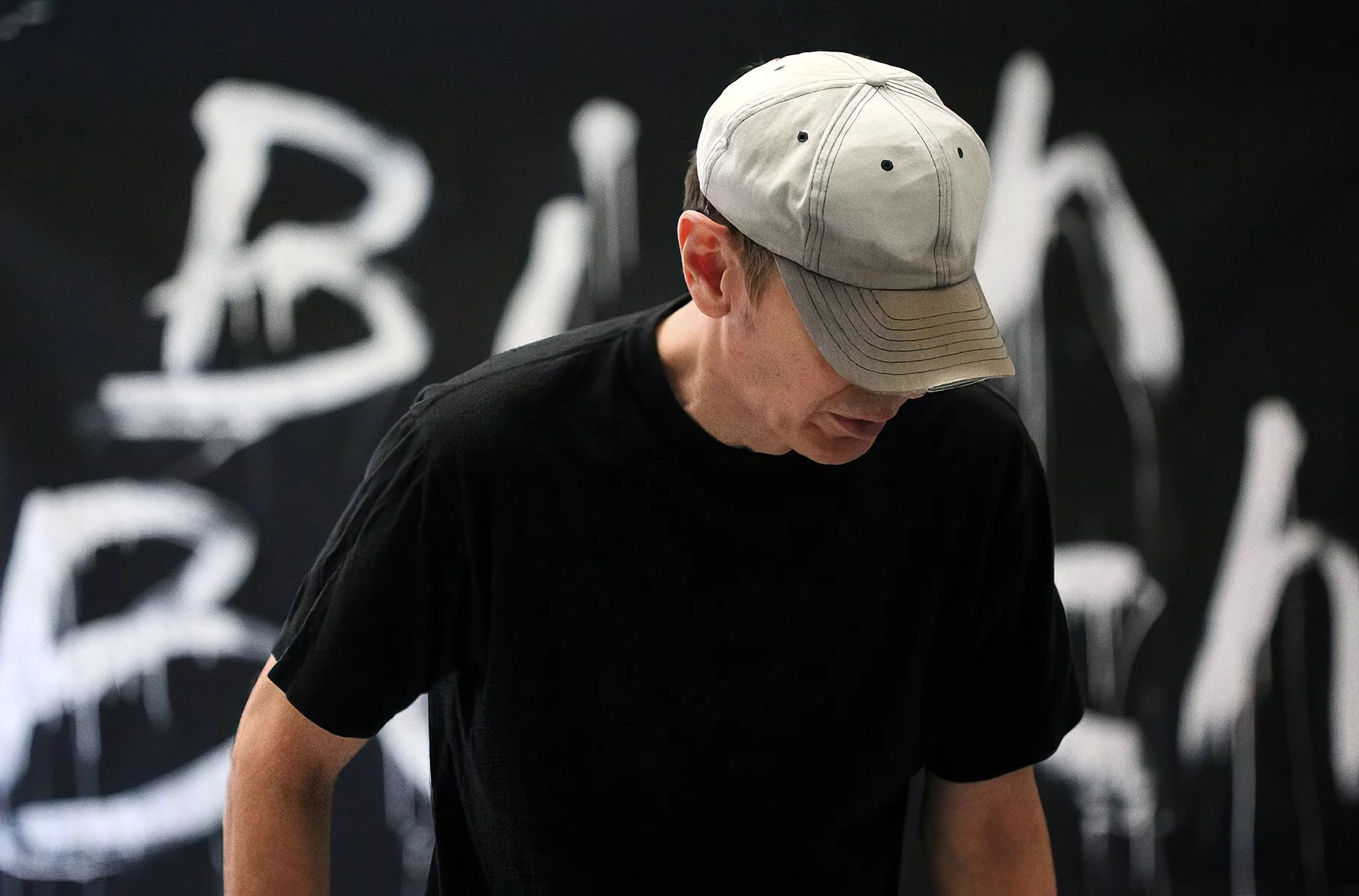
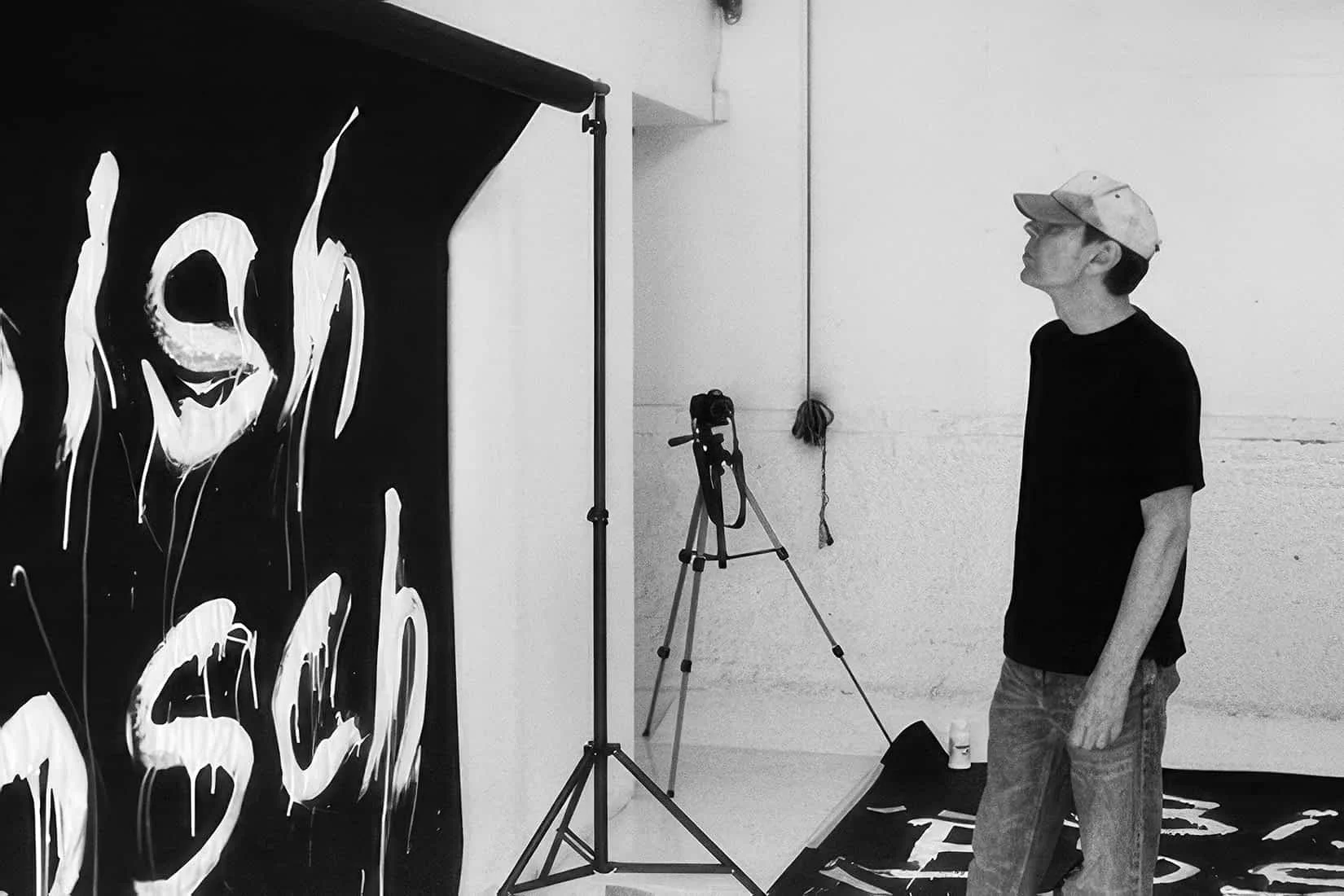
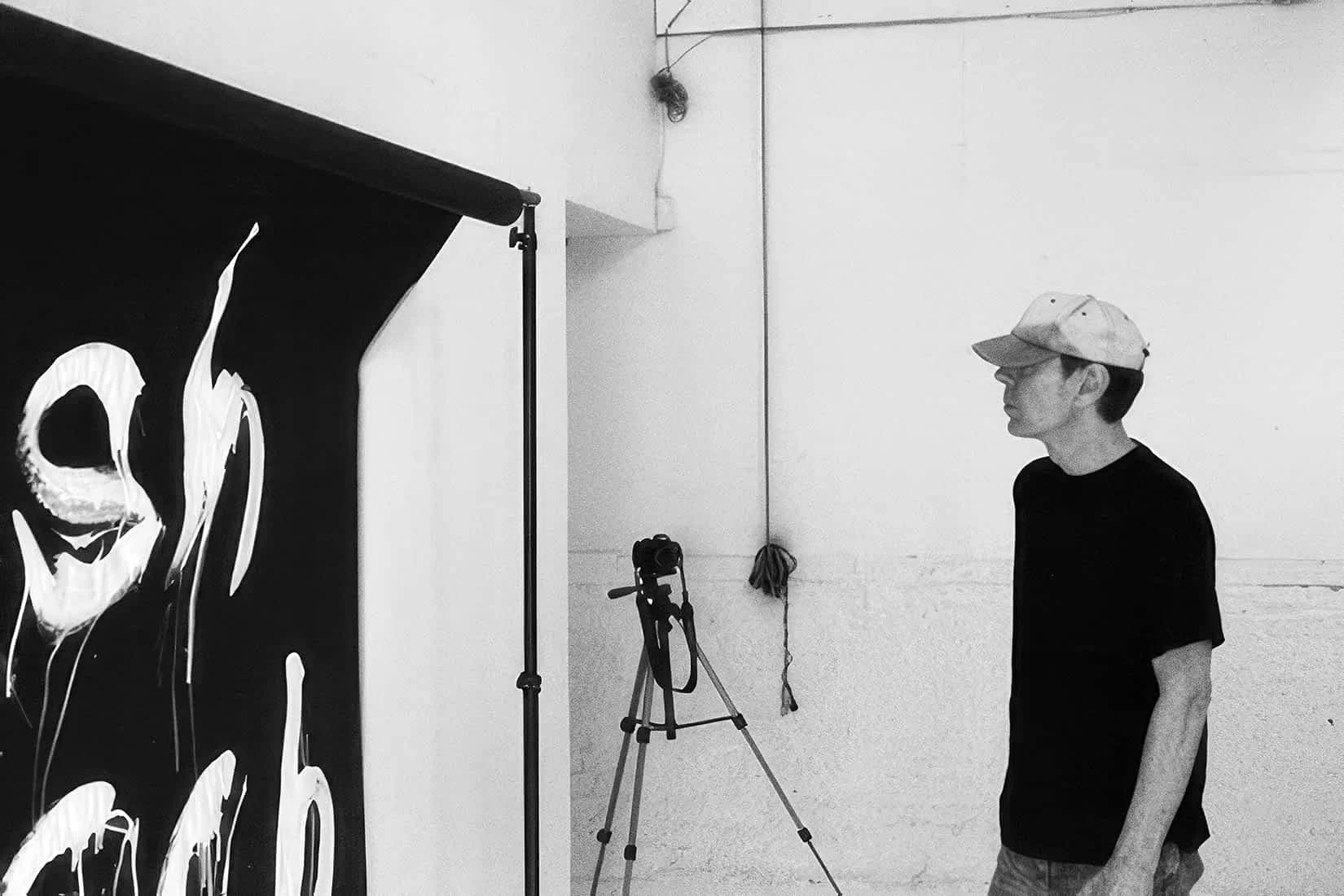
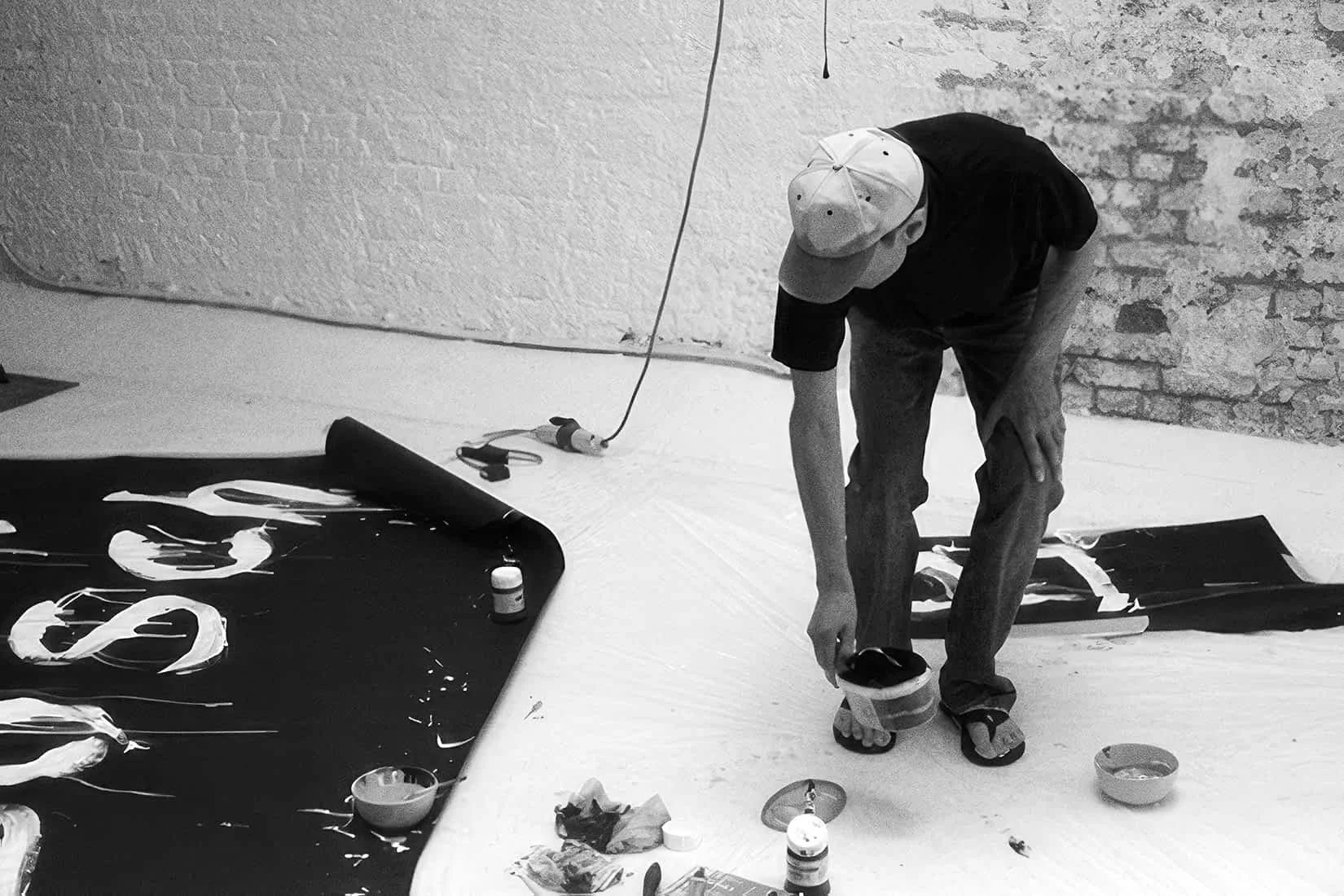
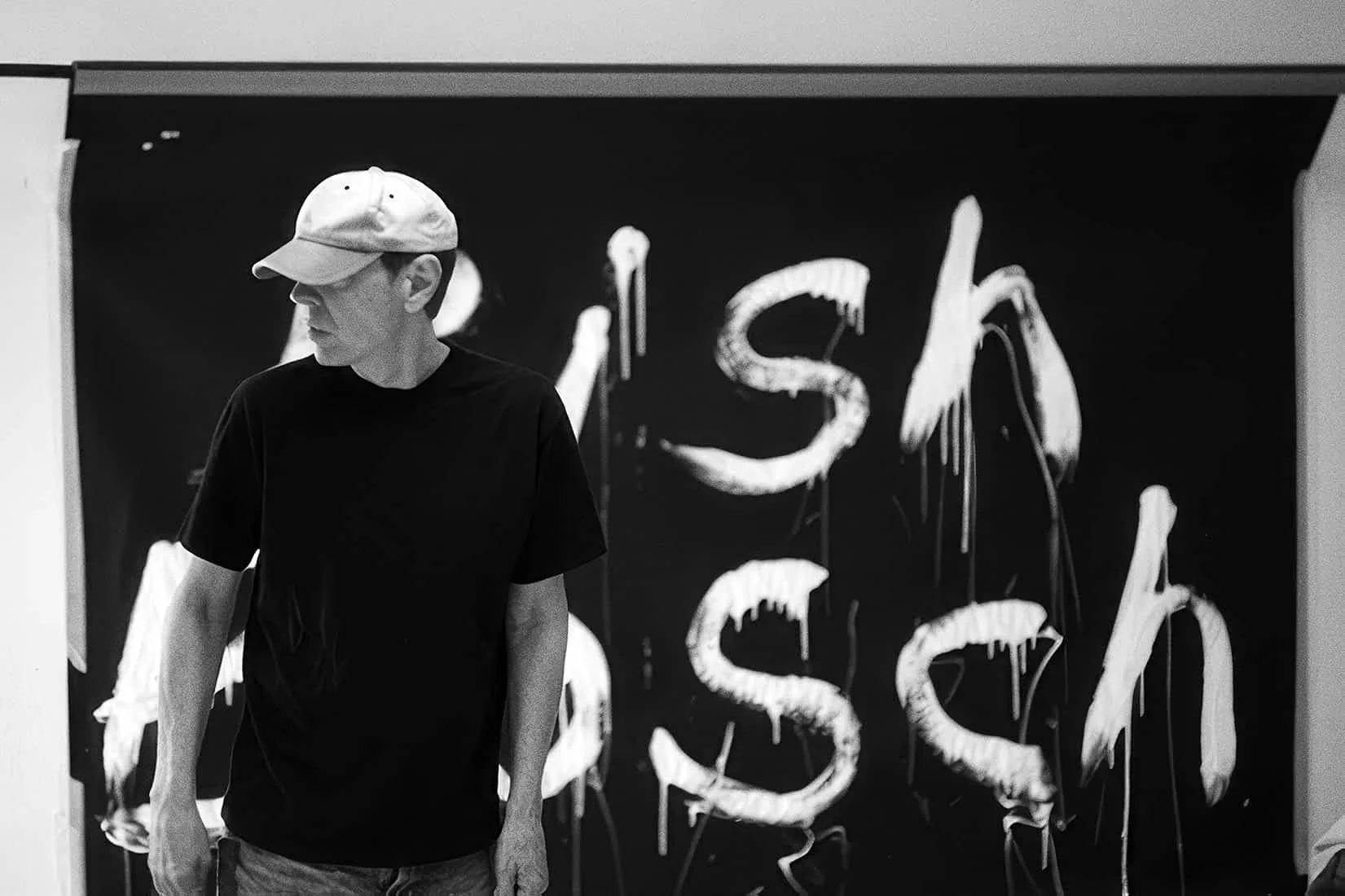
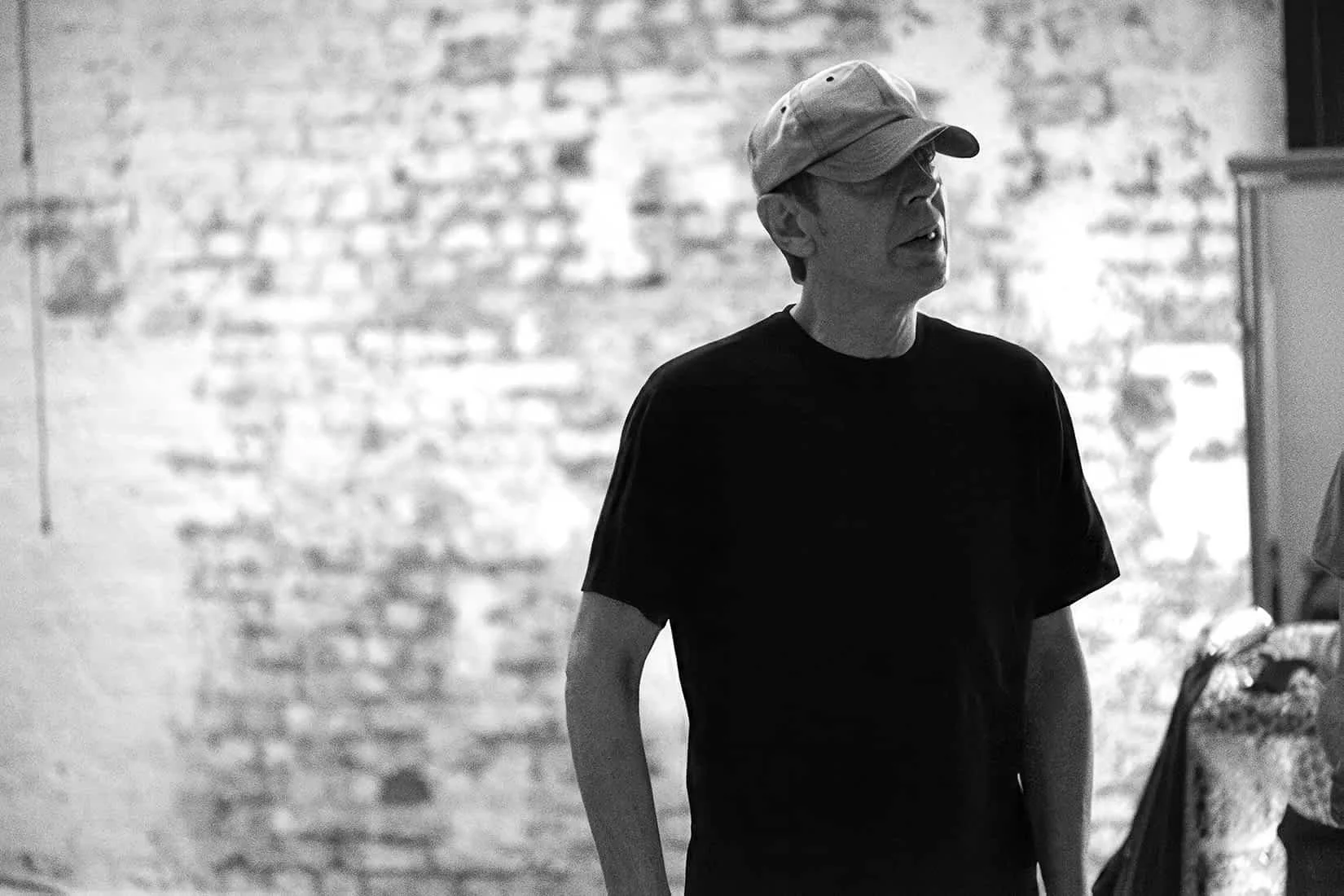
Bish Bosch ‘Sleeve Painting’ photos by Davy Evans
Bish Bosch Sleeve Design
Philip Laslett - Art Director Beggars Group
March 2026
I wasn’t sure how hands-on Scott would be with the art and design. There are no set rules for approaching album artwork, and it varies massively from one project to another. Some artists arrive with a very clear vision of what they want, while others rely on you to develop ideas and present potential directions based on conversations and themes you pick up while listening to the music.
Then I received an email from Scott’s management with a breakdown of what he was thinking, along with a rough draft featuring the words “Bish Bosch” daubed in thick white paint on a black background. It was immediately clear that Scott knew exactly what he wanted and was keen to be involved in the design process. It’s not every day you get the opportunity to work with one of the most enigmatic figures in music.
Scott knew what he wanted for the cover, but he wanted to scale it up so the brushstrokes carried more energy and the paint could fly, drip and run in a more expressive way. I experimented with a variety of techniques, but eventually settled on using a photography backdrop setup with a nine-foot-wide roll of black paper. We could roll it down, paint on it, then cut it off and start again for another take.
I also felt we needed someone comfortable working with paint, someone confident enough to make the bold marks we were after. So we were joined by the painter Ben Farquharson, who did a brilliant job. Photographer Davy Evans was also part of the team and shot everything that would eventually be used in the artwork. He was the perfect person for the shoot and quietly took photos and video all through the day, he was so good at being discreet that most of the time we were completely unaware of what he was doing.
It’s well documented that a barometer for Scott’s comfort in a situation was how far down his face the brim of his cap sat. The happier he was, the higher the brim would rise. We’d been told Scott would only be with us for an hour or so while we were doing the painting. But one hour turned into many, and we ended up spending an entire afternoon painting the type for the cover and all the song titles. In fact, we ran out of space for the wet paint to dry, and before long we were all tiptoeing around a room filled with Scott’s words. It really was a fantastic day and the brim of Scott’s hat was well raised as he gave direction and even joined in with the painting.
Along with his initial draft of the album cover came a flurry of Word documents containing the transcripts for each song. Lyrics were incredibly important to Scott, not just in the way he honed and crafted them, but also in how they appeared when written down. He had a very specific way of presenting them, almost like a form of musical transcription, with precise line breaks, spacing and punctuation. The attention to detail was remarkable.
After reading through everything, I suggested that instead of printing the lyrics on inner sleeves or a standard insert, we could present them in a small perfect-bound book. Almost like a book of poetry. Separating Scotts words in this way gave them their own space and allowed people to read and interpret them as an entity in their own right. It took many rounds of corrections and crafting by Scott to make sure every line sat exactly as intended, but it was worth the effort.
As I mentioned earlier, we created many paintings of the words that appear throughout the album artwork, most of them on very large sheets of paper. Once everything was finished, none of us could quite bring ourselves to throw any of it away. Instead, we decided that for a limited number of LPs released through independent stores, we would cut the paintings into 12-inch squares and include them inside the plastic sleeve with the record.
It felt like a strange kind of cannibalisation of the artwork we had created, but I loved the idea that people buying the album could own a small piece of the actual artwork that had gone into making it, and if they were very lucky, possibly even one of the pieces that Scott had personally hand painted himself.

Message to Philip Laslett from Scott
Hi Phil
We wanted to take this opportunity to say a huge thank you to you for such fabulous artwork - for your great design and great attention to detail which meant so much to Scott.
Scott told us that he feels happiest with the whole presentation and perfectionism on Bish Bosch than any previous album sleeve. He was also so thrilled with how you created the lyric booklet like a book - Ben was an inspired choice and that day going so smoothly set the tone and confidence for all that followed. We are really pleased that the 4ad design department created this in-house. I don't have Davy's email address but we would also like to extend our thanks to him for taking such good photos so unobtrusively. Scott really enjoyed that day.
Our best wishes
Cathy + Charles
“He wanted something - and I’ve made a couple of notes here - he wanted something mysterious, I felt something “not a trumpet”, possibly with a jungle kind of sound and so he fell in love more or less immediately with the kudu horn. They circle around two and a half times in a coil. They're long - the one that I borrowed from Jeremy was about 70 centimetres long.
It made a lovely sound but the two notes that he was interested in were a tritone apart: something like a C and an F sharpabove and that tritone at the pitch he needed was not in the natural harmonic series of that instrument. The tritone in Bach’s time was known as the interval of the devil!”
Michael Laird in conversation with Mark Warman
Interview
The Believer, July 1st, 2013
by Erik Morse
Excerpts from: An Interview with Scott Walker
The Believer: I read that you are colour blind?
Scott Walker: Yes.
BLVR: I find that interesting, because so much of your work is about colouring sound, shading it, thinking about sound in colour. Is that a condition that has been a source of either frustration or inspiration for you?
SW: It’s a different set of problems, of course, but, yes, it’s very freeing in comparison to the difficulties and constrictions of song. Matching sounds in your head is made a lot easier today, what with all the technology. It is the nonelectronic noises that are challenging, as you have to find ways of communicating those to the people you’re working with.
BLVR: Would you say you are using sound in an architectural way?
SW: I tend to think of it more as space. And maybe that’s the same thing. And once again, I’ve gone on and on about how I always begin with the lyric. The lyric informs everything that I do. When I’m doing the sound, I’m trying to match the lyric in front of me. I’m trying to think, What would this sound like? But I realise that my songs are more spatial than a lot of people’s work.
BLVR: You stated in an interview that your songs “come from silence, most of it. I sit around and I’m waiting.”
SW: I think that after so long it’s within my character. When I put things on the page, the space between words or the space between things is dictating that space in the music. The silences have gotten a bit pronounced, like in a song like [“SDSS14+13B (Zercon, A Flagpole Sitter)”]—it begins with a lot of silence. If you look at the lyric sheet, there’s a lot of space between the ripostes. We knew this was how it was going to happen, so when we recorded the album, we did it simultaneously in digital and analogue, because at a certain point we could cut off the analogue and just have the digital there to get more silence.
BLVR: I guess the kernel of my question is: how do you conceive of the lyrics spatially?
SW: When I’m writing a lyric, I totally forget about the music. I’m just looking at the lyric and thinking about it almost as a separate entity. And then I’ll go to my keyboard with all the lyrics printed out and try to think of how to make this a complete musical thing. I’ve got a very basic keyboard with some presets. These are the kinds of songs you realise you can’t just pick up a guitar and start strumming to. It’s ludicrous. You have to start by almost arranging them—and that’s a bad word for what I do. But let’s risk it. You have to start arranging it almost right away with all the sounds you’d be hearing. Then I get into the studio with these sketches and we try to find the sounds in my head with the more sophisticated equipment. Because that’s half the surprise and the joy of finding those things going on in your head. I’ve got probably 70 percent laid out on the keyboard in a sketch, and then I take it in there and the other 30 percent is accidents and surprises. But I have to have a map when I go in, because there’s no standard way of playing this stuff.
BLVR: With all the emphasis on silence and the stripping of sound in Bish Bosch, how do you negotiate the space reserved for your voice and instrumentation?
SW: If you listen carefully to the songs, the sounds are pitched very low or very high. So even in one of the simple songs, like “See You Don’t Bump His Head,” the song about the swans, the drums are going “bump-bump-bump-bump-bump,” and they’re quite deep. The drums are kind of identifying with the image of the swan on a lake. What you see superficially is it gliding along the surface, but underneath all hell is breaking loose. That’s the idea of that drum. It’s this kind of nightmarish swan. Then what eventually comes in above it is this very high synthesizer. The voice goes right in between those two sounds. That’s kind of how it works.
BLVR: Do you think of your voice now as solely a vehicle for the lyrics, or is there a material “grain” or pathos that you try to exude when singing?
SW: I’m just trying to bring the lyrics across. It’s another instrument, if you like. Many of these songs have characters. If you’re doing a song like “Zercon,” you don’t want to act out the song in approximation with the character. That’s not what I’m trying to do. Otherwise, I would just get an actor to do that. I’m just trying to give you a flavour of what it is, and, at the same time, retain a kind of distance from the character. So it kind of balances out that way.
BLVR: I notice you are often singing in a higher register now than the baritone for which you became famous.
SW: And lower as well. When I’m in the lower register, it’s lower than what I did before, because the material calls for it. Once again, I’m a slave to the lyric. They’re different than the songs I did years ago, and they’re much more difficult to do. That’s why you’re hearing the difference.
BLVR: Aside from the effects that aging has on any voice, I’m wondering, what is your relationship to your singing voice now and how has it changed over the past few decades?
SW: I can still use it like I used to. I can approximate that. But I can also do more with it simply because of the material. It’s forcing me to put more on the ball, to use a tennis term. I think my voice has always been a kind of alien creature, anyway. I’m not a trained singer, so I don’t know what’s going on. I kind of look at it as another person. I never know what I’m going to get when I wake up in the morning.
BLVR: Do you ever sing outside the studio?
SW: Sure, I sing in the shower. And when I know I’m going in to the studio, for three or four weeks beforehand I’ll sing the material at home, take my voice out of its case and see how it’s going. I have to know I’m going to be able to carry it when I get in there.
BLVR: Do you have a typical regimen for taking care of your voice? You’ve mentioned in the past that for years you were drinking pretty heavily, and I imagine that must be hard on your voice.
SW: Oh, yes. Well, I don’t drink as much as I used to. I tend to keep it down to weekends. I am pretty careful with it, though I’m not neurotic about it.
BLVR: You often use glossolalia, slang, gibberish, and phonemes, which has garnered you comparisons to Joyce, Eliot, Beckett, Artaud, Pierre Guyotat. Are these expulsions of sound purely emotional? Are they political?
SW: There’s a political element only if it’s a springboard into something else, something that perhaps we find interesting but difficult to talk about. When I write a lyric about a dictator, for instance, I’m not a slave to the history. That’s not the idea of it.
I think I’m simply playing around with language, sometimes for the joy of it, and sometimes to talk about other things. I guess it’s sort of a collage. You can find these things in The Waste Land and things like that, but I don’t consider myself a modernist. Modernism is a very closed system. I think of myself as quite a bit more open than that.
BLVR: Is there maybe a scatting influence from jazz as well?
SW: It could definitely apply.
BLVR: I know you’ve been asked this before, but given the continued path you’ve taken in Bish Bosch, I’m sure people are curious if you see yourself as a dramaturge as much as a musician or singer.
SW: I have heard people say it, that [Bisch Bosch] should be put onstage, or that it’s like a mini-opera. But I think that still has some sort of standard linear narrative, and, of course, none of these [songs] do. I’m not quite sure what it is. I suppose I could be called a dramatist, but not in the standard way.
BLVR: Do you think there’s any difference in what you’re doing between what one would call a “song” in the conventional sense and a performance or sound collage?
SW: Well, that’s the big question. I had a French interviewer ask me recently about this and I said, “Well, I’m not even sure if they are songs,” and he said, “Oh, no, no. They are definitely songs. They’re just another way of doing it.” So I suppose you could look at that way, too. It’s just another way of coming up with something.
BLVR: I am going to avoid asking you the hoary “What happened to melody?” question in favor of something slightly different—
SW: That’s an interesting question in itself, because I never understand that question. I personally believe the melodies are far more interesting now. They are there, in your face, in certain sections of the songs. People do complain about the melody thing, but we do hit patches of melody and beauty, as well as the other stuff. And the melodies are far better than what I did early on. I just never understand that question.
BLVR: I wonder whether or not you ever think of the music you write now in terms of refrain, rather than in terms of melody. Not like verse-chorus-verse structure, but really, in a larger sense, anything that is reproducible to the human ear, or is “hummable.”
SW: A lot of that sounds like, in a Tarkovskian sense, a kind of nostalgia. What you’re describing is a nostalgia for something. That could be applied to any melody that’s memorable, I suppose.
BLVR: You’re absolutely right about this. And it seems that with your recent albums you are both developing and escaping these refrains. You are working within a pop structure, perhaps, but also trying to step your way out of its refrain into something else.
SW: I don’t often consciously think of “stepping out” of something anymore. My instincts tend to take over automatically when it comes to making those kinds of choices.
BLVR: You carried the music of Bish Bosch around in your head for three or four years. How do you live with this soundtrack in your day-to-day life?
SW: If I’m working on something, if I’m absorbed in it, then if I’m going out to shop or whatever, it’s always in the back of my head. I can say that in the case of Tilt or The Drift, at times I was very easily drawn away. I would have rather prevaricated or not engaged with it, because I can be lazy like anyone else. It was not a twenty-four-hour preoccupation. With Bish Bosch, it was very different, because I was actually trying to deliver it a little quicker. But working the way that I do, you can’t. You have to lay in wait for it. I had to sit around and wait, but at least I did it. I didn’t run away from it. The only thing I would take issue with is that I think my albums work on a lot of different levels. They’re not all darkness and terror.
This album has a lot of humor in it, too. If there’s one thing I absolutely hate, it’s these records that go one way. It’s what they call a “heavy” artist. The music will be dark, the singer will sound like he gargled with sulfuric acid. That’s not art. It’s art only when it’s being balanced by lots of layers. Sometimes you have to dig for it, but it’s there.
SW: When Kafka was reading his stories to friends, he’d become furious when they weren’t laughing. What I’m trying to say is, let the album roll over you. Don’t worry about it.
BLVR: During the time of recording, what kind of working relationship do you have to the studio? From what I’ve seen, it seems you don’t have as much time to work as some people probably imagine. There is a mythos surrounding Scott Walker that he hibernates in this acoustic interior and becomes lost behind the recording wall.
SW: No such luxury, I’m afraid. I had a great apprenticeship in the ’60s, because when I was doing those Philips records it was in the contract that you had to go in and do four tunes in a three-hour session. And they had to be done live. That’s how it worked with the [Walker] Brothers and in my solo records, so you had to get everything prepared before you went in there, and that’s always stayed with me. Even though people who work with me now say, “He won’t have time to do this,” I’ll say, “Yes, we’ll have time, but I want everything as prepared as possible.” And I’ll do a lot of it at home, and I’ll have a lot of the sounds and noises to bring in so we’re not wasting time noodling around, which drives me insane. I remember doing a session like that. Someone came in and started noodling around for hours on a synthesizer. This is the way they started the session. It was very clear to me that it was going to go on for years, and I just don’t have the patience for that. I have to go in with something that we can go with so we can actually achieve it. For instance, for this latest record, I did it very quickly. It took me just over a year, because I buckled down at home and didn’t procrastinate. I felt fantastic. I thought we’d go into the studio and get it worked out in eight weeks. But, of course, in the end, things didn’t happen that way. Things started going wrong. People weren’t available, studios weren’t available. [Co-producer] Pete [Walsh]’s father died. Then we had to stop and do something for the Royal Opera House. So something that should have taken eight weeks took two years. There were two days in the studio, then three months off, three days in the studio, then another month off. So I had to keep it all balanced in my head the whole way. It was really maddening at times.
BLVR: You mentioned your co-producer, Pete Walsh. Can you tell me a bit about your collaboration, how it began, and what he has added to your recordings that has given them such a distinct aural identity?
SW: When I signed with Virgin, they sent me over a load of engineer-producers. I picked Pete, and that’s how we first met. I can’t tell you exactly why I chose him. I like the bottom end of sound and he has that better than anyone else. Pete and I both have a word for it: it’s a binding sound. And that can be done with the vocals or the bass and drums, how it “binds” your track.
I was trying to describe this sound to someone the other day, and this may sound fanciful, but I’ll have a shot at it. What it’s always sounded like to me, when it’s working well—it reminds me of the aural equivalent of [H. R.] Giger’s drawings of Alien. Do you know those drawings?
BLVR: Yeah.
SW: To me, it sounds like those drawings look, the sound we’re getting. That’s a combination of Pete’s engineering and where I’m putting the instruments and the vocal. It’s not just glossy black and gray, but it’s splashes of white as well.
BLVR: Are you ever concerned that the studio provides you with such a particular kind of comfort with recording and playing music that you have forgotten how different music “feels” in a live setting?
SW: Well, I haven’t performed in so long, but live performance these days is fantastic. It’s formed from all the stuff you have in the studio anyway, so it’d be possible to actually re-create this. We did something at the Barbican a number of years ago, with three or four nights of my songs. They were performed by other people, and Pete and I did the sound. All the musicians we used were there and all the strings were there. It was pretty damn close. The problem with me now is that whenever I sit down to write, my imagination expands and suddenly I have this cast of thousands I’m carrying around with me. The music becomes very demanding. There are no guitar breaks. No soloing, that kind of thing. It would be a very demanding night to do, and it would cost a fortune. No one—none of the promoters—would make any money. And that’s not the idea of live performance these days. But every time I do this, I sit down with an intention of writing something that I can play live, because my manager, everybody, is on my back about it. Of course, it escapes me. But next year I’ll try again. Come February, I’ll start to work again, and maybe I can keep it down. One certainly hopes.

Photo by Steve Pyke
Interview
Magnet Magazine, December 15, 2012
by A.D. Amorosi
Excerpts from: A Conversation With Scott Walker
When was the last time you were in Ohio, where you were born—or the United States, for that matter—and what do you think of it?
Ohio, oh, not since I was a child. The United States, probably eight years ago when my mother died. I was only there for a week and a half.
I ask not only because you’ve been living in Britain since the fame of the Walker Brothers, but because there are a string of references to America throughout Bish Bosch, about the South, about Jimmy Durante and his “Inka Dinka Doo.”
You’re the first person to get that Jimmy Durante reference. I probably see the United States through the same lens we all do here: the news. My feelings fluctuate. I voted for Obama, so I keep up with what he does. I have hopes for the United States, even though things don’t look good there at the moment. They don’t look particularly good here either.
Most people assume that you became a British citizen, but your voting record proves otherwise. Did you keep your American citizenship just in case things get bad in England?
[Laughs] That’s not a bad reason, right? And a dual citizenship would make things easier. But I guess I’ve been too lazy to get it together. I am a resident here, though, with all the requisite benefits.
I saw a BBC News piece on you where you mentioned ceasing your touring schedule in Britain in the ’60s because cuisine on the road was so terrible. Are you a secret gastronome, or do you have a bad stomach?
Absolutely not. I’m a terrible cook, but I appreciate good food. During the ’60s here, food was shockingly bad, especially after just coming from the States where good food was so plentiful. The U.K. was still hanging on the coattails of war and the rations mentality. You couldn’t get anything decent to eat within certain timelines. It was nothing but fish and chips and curries.
Would you say that, with your first four solo albums—then again, starting with Climate Of Hunter—you left pop for the avant-garde, or it left or drained out of you?
Yes, that’s probably correct. I just stopped caring about it. It’s an interesting thing to consider.
The avant-garde was never intentional to me.
It never is.
I don’t fancy myself John Cage. My whole thing is dressing my lyrics and whatever that takes; whatever the lyric is telling me it wants is what I will do musically.
That’s why I do the lyric first—so that the music will correspond with it. If a lyric requires a really schmaltzy Mantovani string section, so be it. That’s where things changed for me. In the early days, I wrote music and lyrics at once. Then the lyrics started to take precedence, around the time of Nite Flights, then Climate Of Hunter. It transformed how I wrote the music. Don’t get me wrong. I do love to listen to some pop music. I don’t hate it.
I wasn’t planning on asking you this, but is there something “pop” that caught your ear recently?
I will listen to a Beyoncé record. It has a certain kick to it, as does some hip hop. I don’t seek it out and buy things, but I won’t turn it off.
What opened you to the sort of freedom and open verse that your lyrics have? It’s all very Joyce-ian in that regard.
There is a lot of reading on my part—early influences, too. What opens it out is that I’m making that space for the lyric that wouldn’t normally be there.
You’re making space for it.
I’m not shoehorning them in. It’s not awkward. Does that make sense?
Yes. The further along you’ve come, the less restriction you give to the lyrics. You’re freed by spaciousness and unbound by the constraints of melody or rhythm.
But still there is form. It has to have some frame, some form, or else you’re just freewheeling it.
You paint. Is there any comparison or correlation to be made with the abstraction you have—you use—as a painter, and that which you have at your command as a composer and singer?
I haven’t painted in a few years, but I know what you mean. I don’t paint as an abstract expressionist, but if you have a large canvas and you’re arcing and swinging free, there is a musical sense to it, a sweep. I think you can see a lot of how my music sounded in what my paintings look like.
How do you translate what you want sonically to who you work with musically? How do you communicate what you want, as there is so much abstraction? I mention this in tandem with the painting thing because Don Van Vliet (Captain Beefheart) painted and drew where he wanted his musicians to go. More so than on Tilt, the blocks and bolts of music on Bish Bosch are so open, yet specific. I’m curious as to what you’re saying to your players.
I’ve worked with some of these musicians for so long, they’re used to me. I could probably drive a herd of cattle through the studio and it wouldn’t surprise them. They’re open and prepared even during the most agonising processes. I lay out the texts and the arrangements roughly on my keyboard so that they have some direction of where I’m going, some reference. They are great actor players. On Tilt, I wanted the sound of something scratching its way out of an egg, so they brought in a gourd as big as a big man’s stomach and placed beads around it, turned off the lights and started scratching. Now that’s the way to do things.
I’m loath to ask the question about timing and how long it took. Things take how long they take. So, how about this: When did you start the process for Bish Bosch, and when did you realise that there were a complete set of thoughts to make Bish Bosch an entity, a whole thing?
I try to find a strong idea to start, an anchor song that you can build an album around. Not that these things need to relate to each other—just something that will pull it together. In this case, I worked constantly throughout one whole year, which is positively speed-of-light for me, very fast. I notoriously take a lot of time. This time it was the Zercon song. A friend of mine has a library of old books, and I found this book about Attila the Hun. I found one page with an illustration of him and suddenly realised that no one had ever sought to build a song around that character. Once I found a few links to the character, I found my ending. The song itself is about trying to achieve spiritual sovereignty beyond calculation, to scale the heights. That has theological implications. And, as with most of my songs, he fails.
Cocteau wrote a great deal about eternal failure. Do you really see all your characters as failing? Why must they fail?
Death is the benchmark. We can’t win no matter what happens.
Photos by Jake Walters
Interview
NPR - World Cafe, January 9, 2013
by David Dye
Excerpts from transcript: Scott Walker On World Cafe
David Dye: As you’ve gotten older, I’ve noticed on Bish Bosch and a number of your recordings, you’re using more of a tenor register. Do you have to kind of get it into shape for each project?
Well, yes, but I mean, I don’t do a lot of that. I’m not a trained singer. So I’ll do a little singing before I go in, if I know I’ve got a big job like this. And I’ll sing at home a bit just to see if it’s still working. Because there are long stretches of time where I don’t sing at all, where I’m just doing instrumental stuff for a ballet or a dance or whatever.
But, basically, a lot of the pitching of the voice is about the material. If the material is calling … for the voice to be placed in a certain way, then it will be. For instance, I always say this with the lyric and I put a lot of stress on the lyric, getting that right. So many times in the songs, you have different characters. Now, I don’t want to be welded to an acting kind of thing. I just want to give you a flavour of the kind of situation that character’s in. And these particular characters on this album, and maybe the last one, are not in kind of tranquil situations. So I’m really trying to place the voice where it’s going to be appropriate for that song.
Scott Walker: A lot of the singing on Bish Bosch, because of the characters, is kind of aggressive. Do you worry about over-emoting? Does that ever enter your mind?
Well, no. I mean, I said in the last album, I remember doing an interview saying I want to keep it as neutral as possible. But with this, you couldn’t. You had to engage more. There was a lot of stressing to be done. I don’t worry too much about it, no. Maybe one day I’ll regret it, but we’ll see.
You’ve not been terribly, terribly prolific, shall we say, because it’s been five years since The Drift. So tell me a little bit about the process of recording Bish Bosch and the period of time it takes.
Well, how it works is that after I spend this time on the lyrics, I will start putting it to music. Of course it’s not the kind of music you can sit and strum a guitar to — or, you know, a straight piano part — so I start virtually arranging it on a keyboard with a very limited set of presets. I start shaping it out. So, with this limited set of presets, I realise I can make a little noise and say, “Well, that’s going to be this. When I get into the studio with the real equipment and the right stuff and the people around me, this is what this is going to sound like.” So I’m bringing sketches. So basically, about 70 percent of it is done. And then 30 percent of it is accidents and things that I’m hoping to get in the studio from the musicians and things like that. So it’s pretty much complete in my head, but it’s just a question of getting them to do it.
Yeah, I wanted to comment about that, because you must have incredible communication with these people, because a lot of your ideas seem unorthodox. For instance, on “Tar,” the sound of the swords being drawn together for the percussion. Is it easy for you to communicate with these people? Is that why they are a part of your group?
It’s easier. I mean — I can pretty — that’s not a great example. These are machetes that are making that noise. I mean, normally, like I said, I can drive a herd of cattle through the studio now and they wouldn’t blink an eye, you know.
It’s like, with machetes, when I brought these machetes in, everyone really panicked. I don’t know what they were thinking, but I thought, “Well, of all the things we’ve done in the studio, why are you concerned about this?”
We had to do it. I had to be able to get them out — the machetes out — that very day because it was worrying too many people, you know. So, these were big — we’re talking about things with blades that were, oh, I don’t know, three or four feet long. I mean, these were big.
Has your creative process changed through the span of Tilt and Drift and this new album? You just seem so intent on not repeating yourself — on doing, how should I put it, on doing things that have not been heard before. Do you start over creatively each time, or do you build from one album to another?
Well, no. One of the things I don’t do is ever listen to anything once I’ve done it. Because, first of all, the reason for that mainly is that I’ve had to write it, I’ve had to produce it, I’ve had to virtually arrange the parts and then mix it. And you’re absolutely thrashed by the end of that because, you know, it isn’t easy in the first place. So I want to put it behind me. So I don’t listen again and I move on. So I’ve forgotten virtually what I’ve done before. So I just, of course, it’s in the style that we’ve achieved. That’s not an appropriate word totally, but you know what I mean. The style we’ve managed to achieve over these few records has changed, I imagine. But we have achieved a kind of perimeters where we’ve worked. But that will probably have to change now, because that was kind of a trilogy, these things we’ve done. So we’ll see what happens next.
You’ve talked about how this all begins with the lyric writing, and I’d love to talk a little bit about your approach to lyric writing. I think I understand you say that you kind of write lyrics in clumps, does that make sense?
Well, it’s only, especially if you’re constructing a big song like the main song on the album, [“SDSS14+13B (Zercon, A Flagpole Sitter)”]. It’s a waiting game, and you just have to be very patient. So, often it will come in chunks and then mysteriously, of course, like all these things happen, when you’re absorbed, when you’re totally absorbed, something thrilling will happen — that you don’t know how you got there.
But I think what you mean, maybe, is that a lot of the times when you’re looking at the lyric on the page, it’s very black-and-white. They kind of stand out. I used to describe the look of lyrics on a page to me as kind of soldiers on a field. I can move these soldiers around. It sounds quite mysterious, but if you see it on the page… So I think the music kind of reflects that. It does happen in chunks sometimes.
Many of the subjects on this album and in the past are historical. On a very basic level, how do you decide what to write about?
Well, the historical things — I mean, the thing I always say is, “Look, I’m not welded to historical fact. They’re just a kind of ramp that I can get started to play with the ideas from.”
I mean, I was very lucky with the idea of “Zercon,” because I was wandering around. I have a friend who’s got an enormous library, and he lets me wander around in it, get lost in it at night. And I happened to open a page, and there was this one page on this character. And I thought, “What a fantastic character.” And I was so surprised no one had found it before, written a play about him or anything.
I got this idea that, of course he was a comedian, so at the beginning of the song, you have these big gaps of silence. He’s being heckled by silence. And he’s feeling guilty because, well, silence, of course, is where everything starts from. And the song moves in, and he wants to escape Atilla’s wooden palace, which has become a kind of toilet to him. So he’s kind of a giant in a general’s toilet. So there’s these insults that would be placed on a wall. And because of the time it’s placed at, at least in the beginning anyway, there’s these phone numbers in roman numerals. I’m just playing around there and, of course, he reaches various stages of height as he goes along.
He’s a man who has a calling. The calling, he wants to reach a kind of sovereignty — a spiritual sovereignty that has no bottom or top. So he’s trying to take off from different levels of height throughout the song. Of course, in the end, he fails completely and becomes a dwarfed star and burns out.
When did that begin for you, the playing with the language and the importance of these lyrics? Because the more I spend time with Bish Bosch, the more I understand how everything is driven by this.
Yes, well, it probably started around the time of — the last Walker Brothers album we made was called Nite Flights. And I probably got the germ of it there. And I’ve just kind of carried it on from there, you know, and sort of widened it out, and it’s reached this point now. It’s the point of no return.
You talk about not listening back to your records. I’m wondering if the early days were financially successful enough to kind of fund as you’ve been continuing. How do you look back on that success?
Well, it was a big success in kind of every way. And not a lot of people, as you know from rock legend, have wound up with a lot of the money. But, you know, I’ve managed to duck and dive a bit. And I was fortunate to be able to pick up work and stuff as I went along, so I’m okay.
Now, you don’t perform. And I’m interested in why.
Well, I stopped, really back in the ‘70s. I could never ever get — because in those days, sound was still quite primitive. I mean, today it would probably be quite easy. But I could never get the sound right, or the players I wanted, or the conditions I wanted. And it became very frustrating, and it made me very nervous. So I decided I wouldn’t put myself through that. But I’m always getting pressure to do it every year. Every time I sit down to write a record, I do have that in mind. But my imagination takes over, and suddenly I’ve got a cast of thousands, and no promoter is going to do that. And it’s the hard thing and, you know, it becomes another nightmare in another way. So with good intentions, I’ll sit down and start again and see if I can keep everything down. And maybe I will do — if I can get the right record — do some gigs.
So stage fright is not a part of that question?
Well, it might be. I haven’t been on there, we’ll see. I haven’t been out there for a while, it might be. But right now, I’m not feeling it, because at least I’d have sound on my side, you know. Everything would sound decent to me, and I’m a stickler for that.
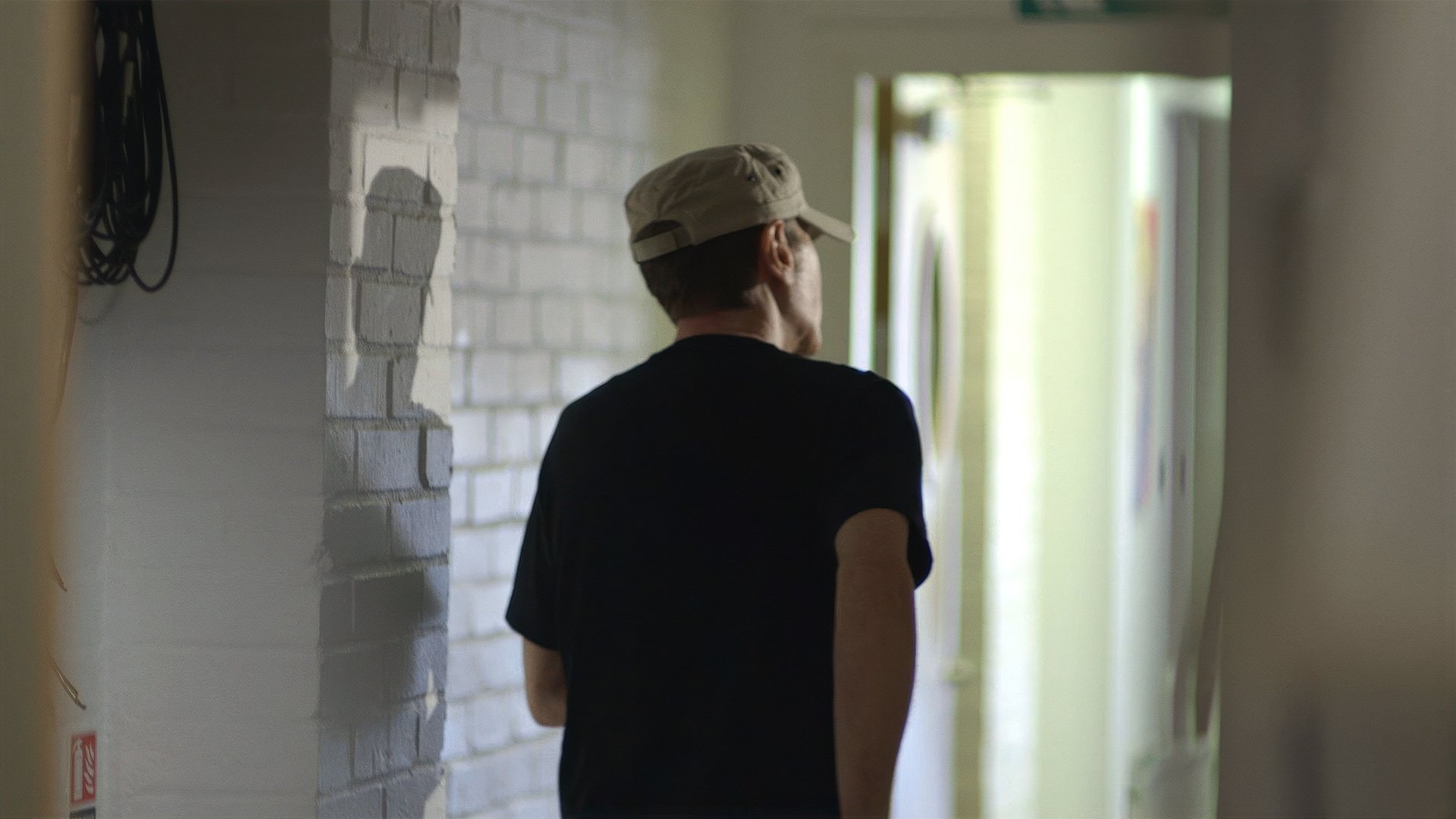
Photo by Iain Forsyth and Jane Pollard
Interview
Obsküre, January, 2013
by Max Lachaud
Crooner of the Apocalypse
The end is nothing, only the journey matters… (Willa Cather)
I am far away, the pop Scott Walker of the sixties. From his first steps towards more abstract song forms (“The Electrician” on the Walker Brothers’ album Nitehumour Flights, in 1978) to the pinnacle and mastery achieved with Tilt (1995) then The Drift (2006), the musician invented a coherent, visionary, unstable, definitely dark sound universe, nourished by the avant-garde and industrial rock, cinematographic sound effects, dissonant orchestral arrangements, rhythms with a strange exoticism and this crooner’s voice which chants incredible stories, both hermetic and very colourful. With Bish Bosch, his fourteenth solo album since 1967, Walker pushes experimentation even further, playing with silences, words and tension, not afraid to develop these atmospheres of anguish in particularly epic forms (a title reaches twenty-two minutes). Obviously, we cannot help but draw parallels between the infernal paintings and the grotesque bestiary of Hieronymus Bosch and the convoluted constructions of Scott Walker, telling us stories of failure with constant black humour and an ability to make us touch pointing out hitherto unexplored emotional domains. Interview with this influential and ageless artist, whose voice and enthusiasm seem like those of a young man.
WELCOME TO THE MONSTROUS PARADE
If Scott Walker was secretive for many years about his creative process, he now opens up with pleasure. For him, the title of the record is not so much a reference to Bosch as the affirmation of a creative approach where puns and puns are like the raw material on which the songs are built:
“People, while listening to the album, they say that I must have looked at Bosch’s paintings and taken inspiration from them… But above all I was looking to play with language. Many songs were born from these puns.”
The language itself seems to travel through the ages, as on Epizootics!, where the author of “The Plague” is again interested in disease, but not only:
“Epizootics can be a illness, but I also used a lot of trendy language from the forties, idiomatic language that we don’t hear anymore today. The hipsters (Editor’s note: ancestors of the cool guys) said “epizootics!”, which meant that it was “super, great!”
Oliver Groulx was able to capture the almost danceable aspect and strange groove of this title in the clip he directed. Here, the brass players give it their all, under the guidance of a rare instrument:
“We used a lot of the tubax, an instrument that no one else uses to my knowledge, a sort of giant sax, a combination saxophone and tuba. There are only two in England, and one of the two people who own them doesn’t play, so we used the other. It is an instrument that goes even lower in the bass than the bass. This was very useful because we didn’t want to reproduce these sounds electronically. There’s a good combination in the album between real musicians playing and electronics.”
Another unusual instrument appears on the record: the ram’s horn. The inspiration came from a film, the musician having never hidden his attraction to “the seventh art”, himself having provided the soundtrack for the film Pola X (1999) by Leos Carax and whose songs have often been found in feature films - from Slayers to Flashbacks of a Fool via Nicolas Winding Refn’s Bronson and his brilliant use of “The Electrician”:
“I really like Alex North (Editor’s note: musician involved in classics like The Young and the Restless, Spartacus, Who’s Afraid of Virginia Woolf?, The Evil One, Carny, etc.). I also like some of Jerry Goldsmith’s compositions, I had the idea of using the ram’s horns from the film Planet of the Apes, for which Goldsmith provided the music. In the film, he only uses one. I remembered that and used five or six of them, I wanted to create these primal sounds for “Zercon.””
THE KING’S FOOLS
This title, which Scott refers to as “The Zercon Song” is undoubtedly the pivotal centre of this new album, its tour de force with its twenty-two minutes and its alternation of silences and build-ups:
“This was the first piece I worked on. I really hoped to be able to complete it because I knew that from the moment I completed this big block, the other titles would be like constellations. It’s not that there are any links between them, but I knew that with this song I would have drawn the guideline of the album. This text took me a long time to write. It’s about a court jester of Attila the Hun. He receives a spiritual call that will make him achieve a sovereignty that surpasses understanding. He seeks to touch this pure state of spiritual sovereignty. But when you’re a comedian, you try to entertain the audience with jokes and you bore them, you can come across as a “heckler”, he’s the one who will make your life difficult, the one who will try to destroy your performance. In the case of this character, the disturbing element is silence. The silence harasses him and he responds to it. This is why I used so many silences, this is where it all begins. It’s also a spiritual trope, it all comes from there originally. Throughout the song, the character tries to rise. The first thing he encounters is an imaginary, metaphysical bird. In the second stage of the song, there is mention of Saint Simeon on his pillar in the desert, then he arrives in America in the twenties and thirties, where there was a fashion called “flagpole sitting” ( Editor’s note: ascetic practice in which people sat for several days on a pole, often very high - this fashion was launched by stuntman Alvin “Shipwreck” Kelly). This is where he becomes a “flagpole sitter”. The song ended there because I couldn’t find an ending. Then six months later, I read an article in the newspaper about this brown dwarf named SDSS1416 that freezes and dies. I thought it was the perfect ending. He went very high but he didn’t really achieve what he was looking for. As in many of my pieces, he fails to find what he’s looking for but he tries. And there is also this play on time in the song, we start several thousand years ago and we come closer to our contemporary era. This is why we hear these ram’s horns playing in the distance at the beginning of the piece, as if to give a primary feeling of this era.”
Games on languages and eras, the narratives take us on a journey through time and space:
“It is important that music plays this role today when there are so many influences emerging from everywhere… It’s true that I used several historical figures in this album - but I don’t want to be a h to History, I use them as tools - with which I have fun.
One of these historical figures is none other than Nicolae Ceausescu on “The Day The Conductor died” who concludes the album in style:
“I have always been fascinated by dictators. We found Mussolini in the previous album and I referred to Stalin several times.”
“These dictators fascinate because they have nothing to be leaders. Most of them have a rather comical physique and are more like dangerous clowns. It’s hard for me to understand why so many people followed them.”
”Yet it happened. In Ceausescu’s case, his dictatorship was centered around a cult of personality. I thought about it and that’s why I came back with this questionnaire. You can check the one that suits you in the circles. He was shot with his wife Elena just before Christmas Day and people were so furious, they didn’t even wait for the order to shoot. They just fired. Fire can be a spiritual trope and there is the fire of the firing gun. There are two meanings there too. He and his wife were buried on opposite sides of a path. This is what I am referring to when I say “when you walk across the Path…””
GROTESQUE AND SERIOUS STORIES
Walker, through his way of working, proves to us that he is above all a storyteller:
“Everything is dictated by the words. Everything starts from there, that’s why it takes time, because I start by writing the texts. It’s like writing a movie script. If you have a good script, your film should be good. If it’s bad, there’s a chance everything will fall apart. After writing the lyrics, I start by dressing the pieces. I look at the lyrics and wonder what sounds might fit where, what meaning it might have, and I start working on the keyboard. Then when I go into the studio, I can present these ideas to other musicians and describe to them more precisely what I’m looking for. These are obviously pieces that could not be composed on the guitar or piano, so as soon as I have the lyrics, I sit down at the keyboard and work on the arrangements. I get into all the percussion, bass, violin parts. So I make sketches, about 70% of the album. Then, when I go to the studio, where there is much more sophisticated equipment, we try to reproduce the noises that are in my head. This time we used more electronics than on previous records.”
Among these sounds, some downright give goosebumps, like the sounds of sabres rubbing against each other:
“They are very large machetes, about a metre long. They had to be big, otherwise it would have sounded like someone sharpening their knives in the kitchen. They had to be heavy and imposing.”
Listening to the album, one cannot help but imagine the recording studio as that of the post-production of a horror film, where foley artists and classically trained musicians would go well together and where Scott Walker would play the role of the avant-garde composer with a slightly crazy imagination:
“I have always been a big fan of film and my work is very visual. It’s true that there is a lot of imagery and what you say may be true. This is a very interesting observation but I admit I hadn’t thought about it consciously before.”
The crooner’s own voice tries out new exercises, where the howl itself is not excluded:
“I look for the sounds that could best represent the characters in the pieces, same thing with my voice.
In order to comply with the master’s universe, musicians must therefore possess certain qualities:
“Above all, they must have a sense of humour. We work together for a long time, so if I bring a cauliflower into the studio I don’t want them to roll their eyes. They must be good actors because you describe things to them, if your description is good, they will exceed your expectations, just like an actor could exceed what you imagined.”
HETEROGENEITY OF SHAPES
In this moving, suspended universe, everything seems permitted or almost. If “Epizootics!” could look towards big bands, “Phrasing” does not hesitate to go even further in the mixture of industrial electronic sound effects and rhythms which can alternate samba exoticism, heavy guitars and silence. The richness of these influences can surely be attributed to a busy life:
“You can make any form of art in your bedroom as long as you have learned enough and have enough references amassed throughout your career. your life, things that you collect over time.”
Even biblical references can be found as part of the mix:
“I don’t believe in mysticism and religion. I use the Bible on one piece because there are contradictions and I wanted to create an “argument” that interrupts the flow of the main piece.”
Emotion can then be born at the turn of a bass note, a synthetic layer and panicked violins, as on the title “Corps de Blah”:
“I was thinking of a dysfunctional community, that’s what “blah body” means, a community where people are aware of each other but they cannot touch each other.”
Scott nevertheless affirms that his music falls into a genre that he initiated with his two previous albums and he is happy that this style is accepted by all his new fans, some of whom did not even know of the singer’s past in the sixties and seventies:
“A friend said to me the other night: ‘Now your style can be identified, from Tilt to this new record.’ We try to push the envelope every time while staying within the same realm. For example on the previous album, there was a lot of bass, whereas here it’s just scattered, it only appears when it’s necessary. This creates more suspension in the pieces. The feeling is more heterogeneous and more immediate at the same time.”
As for the perfectionism that is attributed to him, Walker is also aware of his limits, which is surely the strength of his work:
“We try to achieve perfection but we fail all the time, like my characters. Everyone does this. I can’t think of anyone who has truly achieved what they aspired to. You always tell yourself that it could be better by doing things differently. It’s true that when I make an album, I don’t listen to it anymore.”
As for the terrifying nature attributed to his compositions, Scott explains:
“If someone told me that my work is dark, I would tell them that the music has different levels of approach. It always reminds me of Kafka, who would read his own stories to his friends and get very angry if his friends didn’t laugh. However, his stories are considered very dark.”
One thing is certain, a real open-mindedness emerges from a monolith as varied and impressive as this Bish Bosch, an approach that the artist seems to apply to his own life:
“I hope to be someone open but it’s not up to me to say it, it’s up to someone else to do it…”
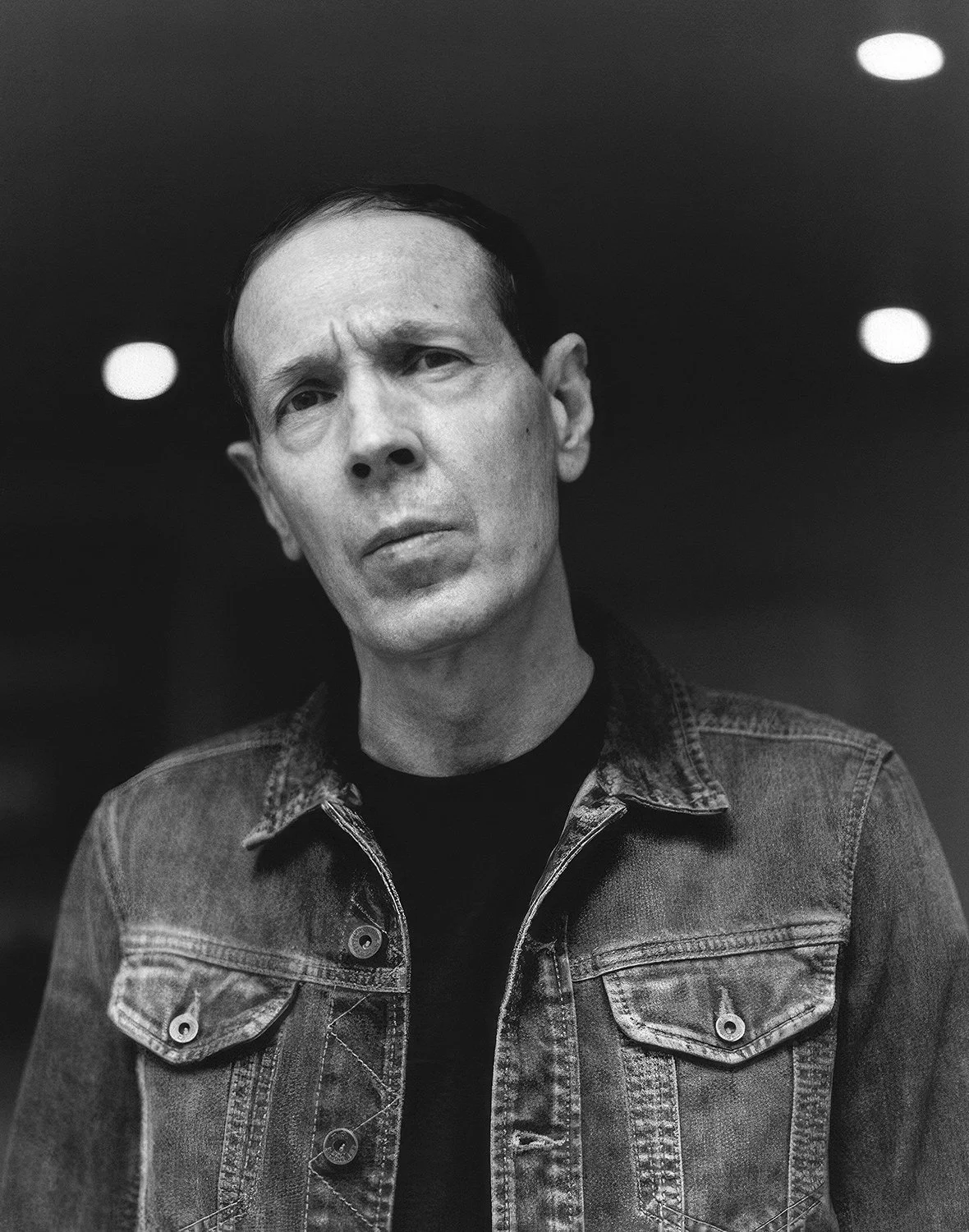
Photo by Jamie Hawkesworth